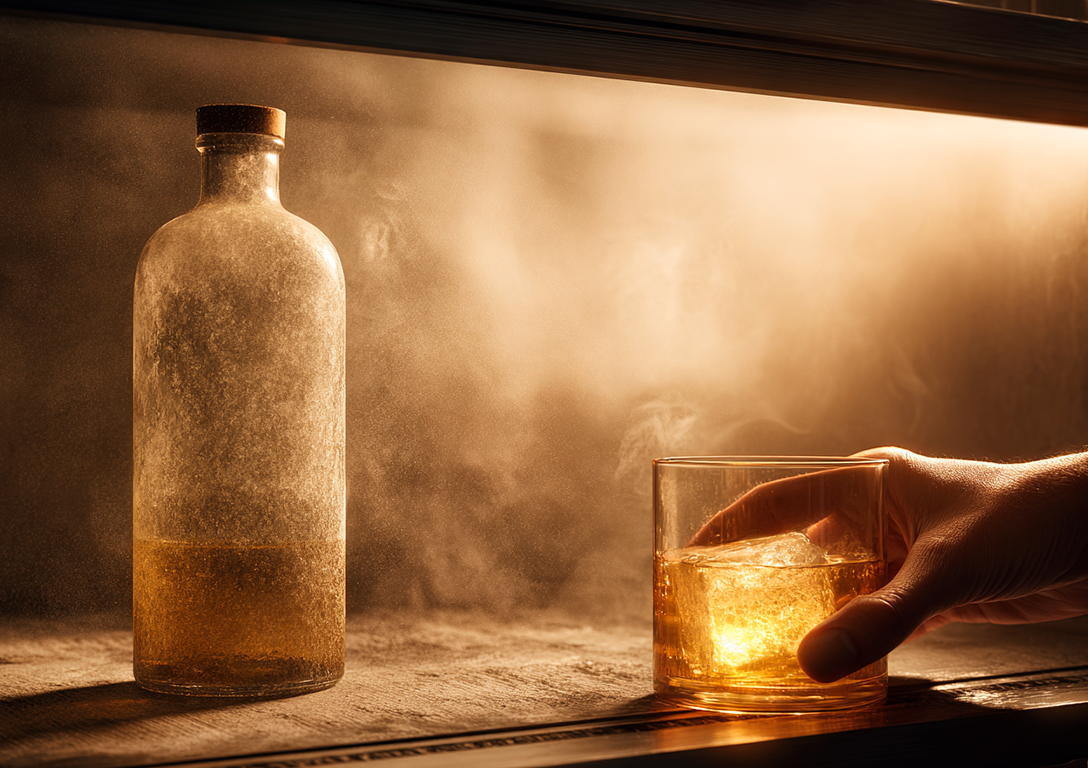
You’re digging through the liquor cabinet and find a bottle of tequila from who knows when. Maybe it was a gift. Maybe you bought it for a party years ago. Either way, you’re staring at it wondering if this thing is still good or if you’re about to ruin your night.
Good news. Tequila doesn’t expire like milk or meat. It won’t make you sick. But quality does degrade over time, especially after opening. With tequila sales hitting $6.7 billion in 2024 and growing while other spirits flatlined, more bottles are sitting in more cabinets than ever. This guide will tell you how long tequila lasts, how to store tequila, warning signs that tequila has spoiled, and how to keep your bottles tasting their best.
Tequila doesn’t expire or spoil in a way that makes it unsafe to drink, but quality does degrade over time. It’s required to have between 35% and 55% alcohol content by Mexican law, which creates an environment where bacteria simply can’t survive. No mold, no harmful growth, no expiration date required. That bottle sitting in your cabinet for years won’t poison you.
But “safe to drink” and “tasty” are completely different things. Once you crack the seal, oxygen starts doing its thing. Oxidation slowly strips away flavor compounds while evaporation reduces both volume and alcohol content over time. Aged tequilas like reposado and añejo take the hardest hit since they have more complex flavors to lose. Those vanilla and caramel notes from oak aging are the first to go away. Blanco holds up better because there’s less complexity to degrade in the first place, but its taste does still deteriorate over time.
Unopened tequila lasts indefinitely when stored properly. The sealed bottle keeps oxygen out, which means the chemical reactions that degrade flavor never get started. A bottle from 2010 stored in a dark cabinet will likely still taste exactly how the distiller intended. Decades-old sealed tequila can be opened and enjoyed with zero issues in most cases.
A few factors do affect how well unopened bottles hold up over time:
So, a sealed bottle of tequila from 2015 buried behind your vodka in the liquor cabinet is almost certainly fine. Pop it open and enjoy.
Opened tequila stays good for 1–2 years but tastes best within 6–12 months. The moment you crack that seal, air hits the spirit and slowly flattens the flavor profile, muting those notes you paid for. A standard 750ml bottle holds about 17 servings, so unless you’re throwing parties every weekend, that bottle might sit for a few months, which is fine. This is how the different types of tequila handle oxidation:
Here’s a quick cheat sheet of how quickly you need to drink each type of tequila:
Store tequila upright in a cool, dark place at room temperature with the cap tightly sealed. That’s it. Most people overthink this or don’t think about it at all, leaving bottles out in the open or in a cupboard next to the stove. A 24-month study on spirits storage found that heat and oxygen exposure strip away the aromatic compounds that make tequila worth drinking. Try these simple tips to store tequila properly:
Tequila rarely goes bad in a way that’ll hurt you, but it absolutely goes bad in ways that’ll disappoint you. Here’s how to tell if your tequila has gone bad:
When in doubt, trust your senses. Your nose and tongue evolved specifically to detect things you shouldn’t consume. Listen to them.
Freezing tequila won’t ruin it, but it mutes the flavors and aromatics you paid for. The alcohol content keeps it from freezing solid, so you’ll get a thick, syrupy pour instead of a tequila popsicle. Cold temperatures suppress the volatile compounds that create aroma and taste. Your nose catches less. Your palate tastes less.
For cheap blanco you’re shooting with lime and salt? Freeze away. Nobody’s savoring that anyway. But sticking quality reposado or añejo in the freezer is a waste. Those vanilla, caramel, and oak notes from barrel aging disappear when the liquid is ice cold.
León y Sol reposado tastes best at room temperature or with a single large ice cube that chills without numbing. You paid for those coffee and cappuccino notes. Don’t hide them in the freezer.
No, tequila does not age or improve in the bottle. Aging only happens in oak barrels before bottling. Once that liquid hits glass and gets sealed, the clock stops completely. A bottle of reposado you bought in 2015 and opened today is still reposado. It didn’t magically become añejo while sitting in your cabinet for a decade.
This trips people up because wine works differently. Wine keeps developing in the bottle, which is why collectors cellar bottles for years. Tequila doesn’t do that. Keeping it longer won’t make it better. If anything, improper storage or a compromised seal makes it worse. Drink your tequila. It’s not an investment vehicle.
Quality 100% agave tequila costs more because it takes longer to make and uses better ingredients. That price tag represents real time and craft. Proper storage protects what you paid for. A $90 bottle of reposado deserves better than three years next to the stove getting slowly cooked by radiant heat.
León y Sol’s reposado is carefully aged for four months in American and French oak. Highland agave that took seven years to mature in volcanic soil before jimadores even touched it. Treat the bottle with the same respect the distillery put into making it. Store it right, drink it within a year of opening, and actually taste what you bought.
Tequila doesn’t expire in any dangerous way. You won’t get sick from that dusty bottle in the back of your cabinet, but quality does fade over time. Storing it upright, in the dark, at room temperature, and with the cap tight can keep your bottles tasting the way they should.
Finish opened bottles within a year for the best experience. Aged expressions like reposado and añejo deserve that urgency. Store properly and your tequila will reward you with every pour. Stock up on León y Sol knowing it’ll stay perfect until you’re ready to open it.