Reposado ages for 2–12 months while añejo ages 1–3 years in oak barrels. Learn how aging time affects flavor, price, and which tequila works best for cocktails.

You’re standing in front of a tequila shelf staring at two bottles from the same distillery. One’s pale gold and costs $50. The other is deep amber and costs $120. Both say “100% agave,” and both look premium. The only obvious difference is that one says reposado and the other says añejo. So, does it matter?
The short answer is absolutely. The difference between reposado and añejo tequila is that reposado ages for 2–12 months in oak barrels, while añejo stays there for 1–3 years. This extra time changes everything about the tequila, from the color, flavor, price, and what you should do with it.
This guide breaks down what makes reposado and añejo tequila different and when to choose one over the other. Both dominate the premium market right now, with aged tequilas showing 39% higher consumer preference compared to blanco. Turns out people love what oak does to tequila.
Reposado tequila is aged in oak barrels for 2 to 12 months, which gives it a golden color and smooth flavor that sits between the brightness of blanco and the depth of añejo. It’s tequila’s literal golden middle child, both for its color and its moderation. While blanco bursts onto the scene unaged and unapologetic and añejo sits back with years of barrel wisdom, reposado finds its sweet spot somewhere in the middle.
Its name comes from the Spanish word for “rested,” and that’s exactly what this spirit does. It rests in oak barrels just long enough to pick up complexity without losing its agave soul. It just takes a quick rest in the oak barrel and comes back with a tan and notes of vanilla, caramel, and just a whisper of oak.
This type of tequila is blowing up right now as people are discovering and falling in love with it. Reposado tequila is projected to grow by 9.47% per year through 2030, and it’s driving major market share growth in US bars and restaurants. People are finally realizing that tequila deserves better than a salt-rimmed shot glass and a lime wedge. León y Sol’s reposado embodies this perfectly. Four months in oak aging barrels transforms our 100% blue Weber agave into something special. Old but gold, as we like to say.
Reposado must age in direct contact with oak or holm oak wood barrels for at least 2 months but not more than 12 months, according to Mexico’s Official Standard NOM-006-SCFI-2012 enforced by the Consejo Regulador del Tequila (Tequila’s official regulatory council). That two-month minimum is where the magic starts. It’s long enough for the spirit to absorb character from the wood without letting oak overpower the agave.
Reposado follows the same production path as all premium tequila until it reaches the barrels:
Reposado is about as close as it gets to finding the perfect blend of agave purity and oak complexity. Here’s what you can expect when you taste reposado tequila:
Añejo tequila is aged in oak barrels for one to three years, which makes it darker, richer, and super flavorful. The name comes from the Spanish word for “aged” or “old,” and it couldn’t be more fitting. This is tequila that spent a long time in wood, absorbing complexity and developing a character that rivals fine whiskey or cognac.
While reposado dips its toes into barrel aging, añejo commits fully. Those extra months or years in oak change the spirit completely. You lose some of that bright, punchy agave character and gain something smoother, deeper, and more contemplative. It’s a tequila that’s earned its sophistication through patience.
Añejo must age in direct contact with oak or holm oak wood for at least a year but no more than three years, according to Mexico’s Official Standard NOM-006-SCFI-2012:
That one-year minimum separates añejo from everything else. It’s the threshold where tequila stops being a lighter spirit and starts competing with darker, aged spirits like bourbon and rum. The three-year maximum keeps añejo from crossing into extra añejo territory, where the oak influence can become so dominant that you barely taste the agave anymore.
Añejo production starts exactly the same as reposado, but the extended aging period changes everything about the final product:
Añejo comes with a depth and complexity that set it apart from younger tequilas. This is what you can expect:
The main difference between reposado and añejo tequila is that reposado ages for two months to one year in oak barrels, while añejo ages for one to three years. Reposado is tequila that spent a semester abroad but is still recognizably itself. Añejo lived overseas for years and came back totally different.
This extra time creates massive differences in color, flavor, price, and ideal drinking scenarios. Reposado keeps more of that bright agave character with a light touch of oak, while añejo develops deep flavors where the wood influence is the star. Both are excellent, just wildly different expressions of what oak aging can do for blue Weber agave.
Here are the biggest differences between añejo and reposado tequila:
Añejo costs more because time literally costs money in the spirits business. Every month that tequila sits in a barrel, the distillery pays for warehouse space, loses liquid to evaporation (the angel’s share), and ties up capital that could be generating revenue. Añejo requires at least 12 months of this investment, but it usually ends up spending longer than a full year. Reposado can be bottled and sold in as little as two months.
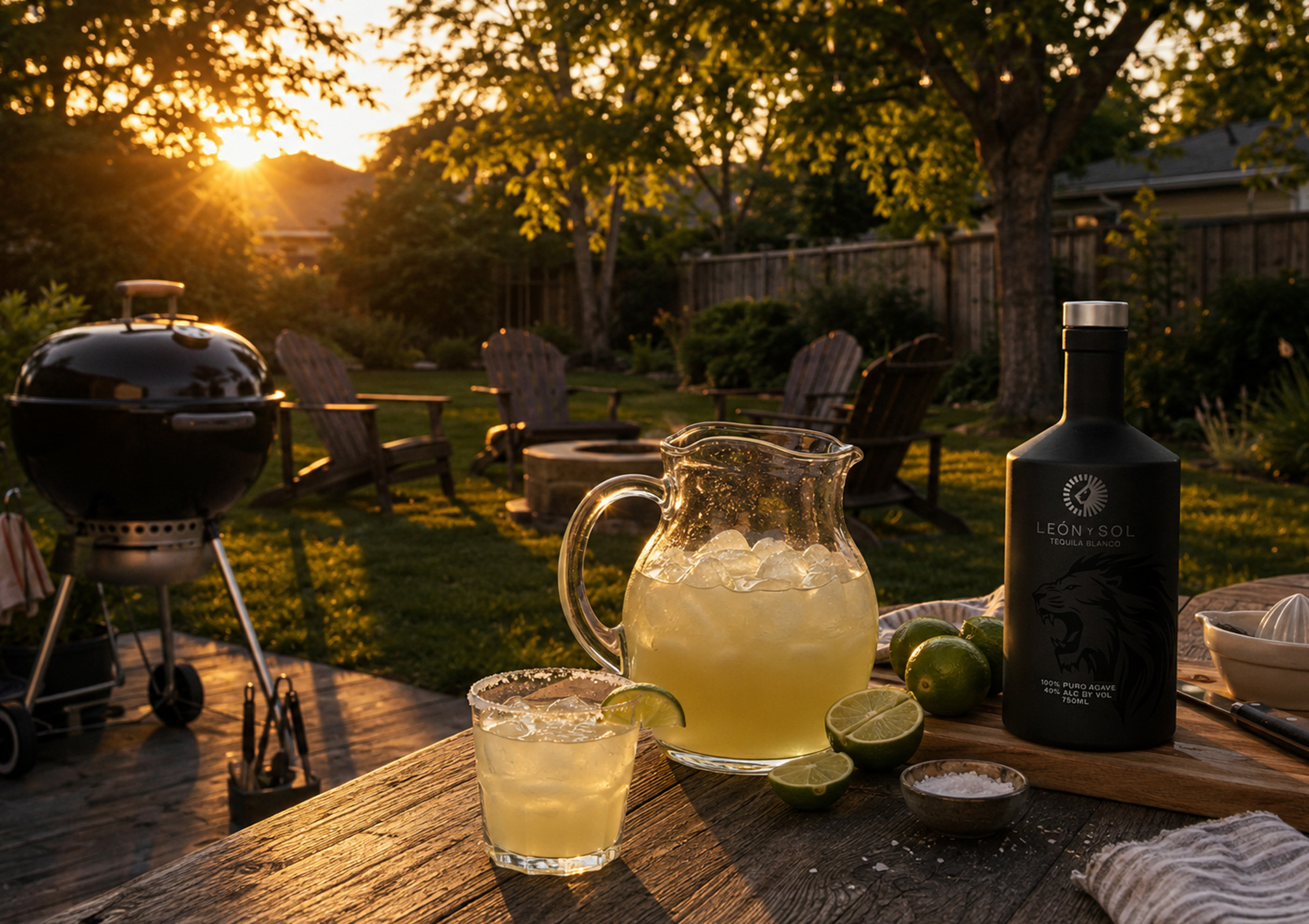
Reposado works best for cocktails and casual sipping, whereas añejo is best when sipped neat or saved for special occasions. The choice comes down to what you’re doing and what mood you’re chasing. Mixing a batch of margaritas for a backyard barbecue? Reposado all the way. Celebrating a promotion with a cigar and some dark chocolate? Break out the añejo.
Your drinking context matters much more than which one is simply better. Reposado is complex enough to elevate cocktails without overwhelming other ingredients. Añejo demands attention and respect, the kind you give to spirits that cost over $100 a bottle and took years to create. Both have their moment. Here’s when each one belongs in your glass:
Reposado is your versatile workhorse tequila. It punches above its weight in cocktails while still being smooth enough to sip solo when the mood strikes. Here’s when using reposado tequila is best:
Añejo is where tequila stops playing. This is sipping territory, the kind of drinking that requires attention and rewards patience. Here’s how to drink añejo tequila:
Neither añejo nor reposado is objectively better. They’re different tools for different jobs, and which one wins depends entirely on what you’re doing with it and what flavors you prefer. Añejo is better when you want complexity and depth for sipping neat, while reposado is better for cocktails and casual drinking. Your palate makes the final call, though, as the better tequila is the one that you enjoy drinking.
León y Sol’s reposado spends four months in a combination of American and French oak barrels, pulling the best from both worlds. American oak brings vanilla and caramel sweetness. French oak adds subtle spice and tannin. Four months in, you’re getting a balanced expression that doesn’t lean too heavily in either direction.
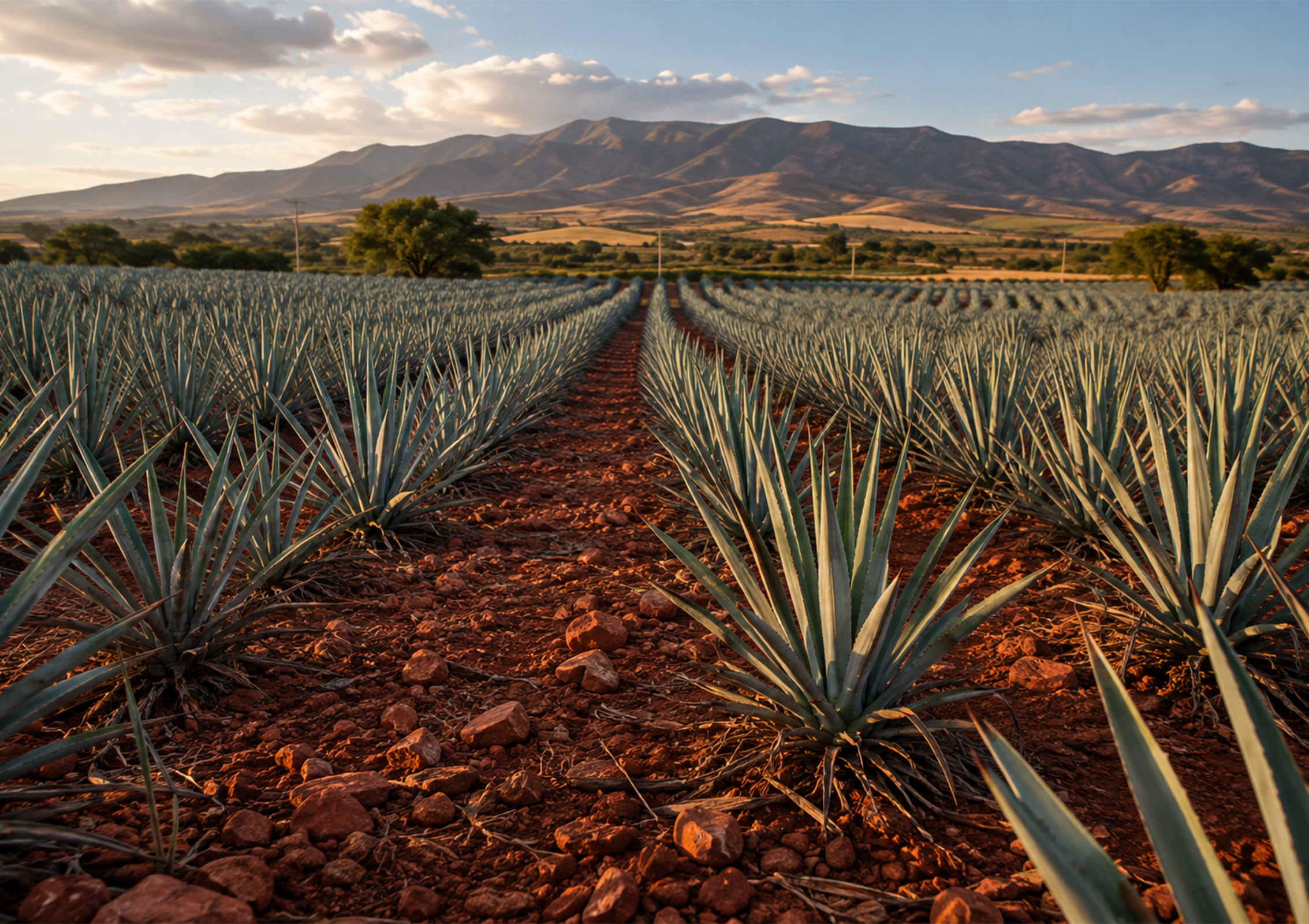
The real advantage starts way before the barrels, up in Los Altos de Jalisco where our agave grows. The highlands hit you with cold nights and scorching days, and that temperature swing stresses the agave plants. Though it sounds like a bad thing, the agave responds by pumping out more natural sugars as a survival mechanism. You’ll get to taste this sweet, sweet stress in the best way possible.
We also keep it traditional throughout production. No additives, no industrial shortcuts, no trying to fake what time creates naturally. Our master distiller tastes each barrel regularly, watching for that moment when the oak influence enhances the agave without burying it. When the balance hits right, we bottle. Old but gold.
Reposado and añejo both deliver on the promise of aged tequila, just in wildly different ways. Reposado keeps that agave soul intact while adding vanilla and caramel notes. Añejo goes full commitment, trading brightness for complexity and casual drinking for contemplative moments. Neither choice is wrong. Both are excellent when matched to the right situation.
Try them both and see what clicks. León y Sol’s reposado shows you what Los Altos terroir and four months in oak can accomplish together. The stressed agave, the temperature swings, the split between American and French oak all come through in every pour. Start there, then explore añejo when you’re chasing something deeper.
Añejo is smoother than reposado because the extended oak aging softens the spirit and removes hard edges.
Yes, you can mix añejo in cocktails, but it works best in spirit-forward drinks like Old Fashioneds or Manhattans where its complex oak character shines. Save añejo for sipping neat and use reposado for margaritas and citrus-based cocktails where brightness matters more than depth.
Añejo ages for one to three years in oak barrels, while extra añejo ages for over three years. That’s how extra añejo gets its even deeper oak influence, darker color, and higher price tags.
Reposado is better for margaritas because its agave-forward profile cuts through the citrus and sweetness without getting buried. Añejo’s complex oak flavors clash with the lime and triple sec. Use reposado for mixing, save añejo for sipping.