Añejo tequila is aged 1-3 years in oak barrels, creating complexity whiskey drinkers love. Learn what makes añejo different and how to drink it.
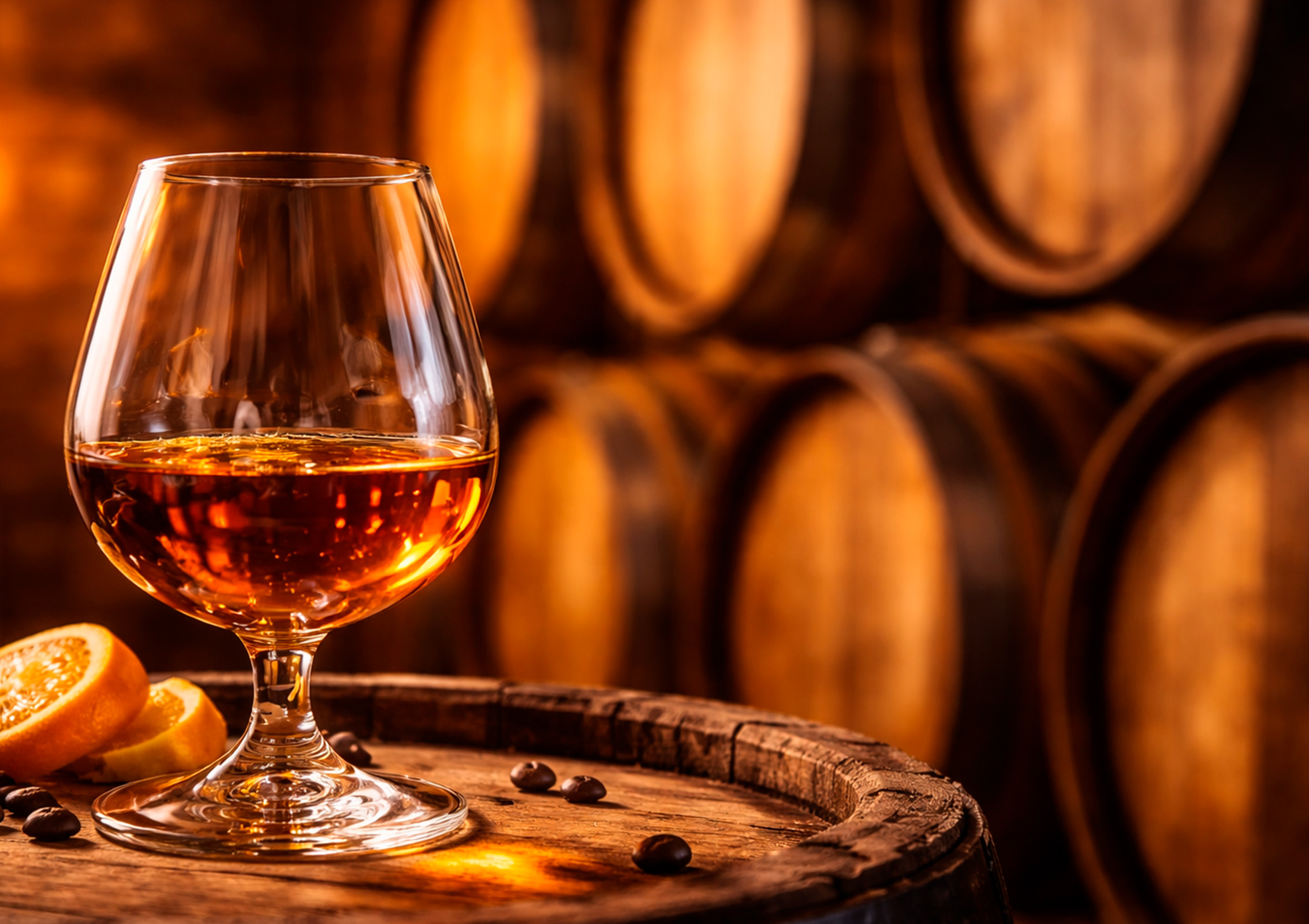
You’re a whiskey drinker who thinks tequila means salt, lime, and regret. Or maybe you’ve tried blanco and found it too bright, too sharp, too agave-forward for your bourbon-trained palate. Either way, you haven’t met añejo yet.
Añejo is tequila aged in oak barrels for one to three years. The extended aging creates a complex flavor that whiskey drinkers recognize immediately. Vanilla, caramel, dried fruit, and oak tannins replace the raw agave character that dominates younger expressions. The result is a spirit that works in Old Fashioneds and Manhattans, pairs with steak and dark chocolate, and deserves the same slow appreciation you give to good bourbon.
US tequila volumes grew 294% between 2003 and 2023, averaging 7.1% growth every single year and hitting 31.6 million cases in 2023 alone. Añejo is leading that charge as drinkers discover that premium tequila rivals whiskey for sophistication without tasting anything like it.
Añejo tequila is tequila that’s been aged in oak barrels for one to three years. That’s the legal definition, enforced by Mexican law. Clear tequila goes into barrels as blanco. One to three years later, it emerges as añejo with a deep amber color and flavors that rival fine whiskey.
The aging process changes everything about the spirit. Oak pulls out vanilla, caramel, and dried fruit notes. The color darkens from crystal clear to rich mahogany. The mouthfeel thickens and it becomes velvety. Sharp edges get sanded down by time and wood contact. What you end up with is tequila that whiskey drinkers recognize and appreciate even if they’ve never been tequila people before.
Añejo comes from Spanish, meaning “aged” or “old.” The word shows up across Mexican culture whenever time and patience matter. For example, “queso añejo” is aged cheese and “vino añejo” is old wine. The term carries respect for the waiting process, acknowledging that some things can’t be rushed. In tequila, añejo signals that this spirit earned its complexity through years in a barrel, developing character that silver and reposado tequila can’t touch.
Mexican law (NOM-006-SCFI-2012) sets strict aging minimums for añejo. The Consejo Regulador del Tequila enforces these requirements, testing every batch before it can be labeled and sold. These are the aging requirements for añejo tequila:
Anything aged less than a year cannot be called añejo. Anything aged more than three years becomes extra añejo, where oak influence can overwhelm the agave entirely. That 1–3 year window is where añejo lives.
Clear blanco goes into oak barrels. One to three years later, it comes out as añejo with deep amber color and complexity that makes it taste like a different spirit entirely. The barrel does the work through slow chemical reactions between wood and tequila, pulling flavor compounds from charred oak while oxygen softens harsh edges.
The barrel determines what añejo tastes like, and different woods create different results. These are the most common barrel types for aging tequila:
Evaporation pulls 3–5% of liquid out per year through the barrel staves. Distillers call this the angel’s share, and it’s part of why añejo costs more than younger expressions. You’re literally paying for tequila that no longer exists.
Oxygen seeps through the wood slowly, softening alcohol burn and developing new flavors that wouldn’t form in an airtight container. The tequila extracts color from the charred oak and turns the clear spirit into deep amber liquid. Vanilla and other flavor compounds leach from the wood and create the notes añejo is known for.
After twelve months, the spirit barely resembles the blanco that entered the barrel. After three years, the wood influence dominates completely and agave plays a supporting role instead of leading the show.
Extended oak aging creates complexity that blanco and reposado can’t touch. Years in barrels develop layers that reveal themselves slowly as you sip, rewarding patience instead of quick consumption. This is tequila that demands your attention and gives you something back for paying it.
Here’s what you’ll experience when you taste añejo:
Oak runs the show here. Agave takes a supporting role instead of dominating like it does in blanco. That shift is what extended barrel aging accomplishes when done right.
Añejo is premium sipping tequila that demands your full attention. This isn’t something you shoot at a party or mix into a frozen margarita. You paid for years of barrel aging and complex flavors that took time to develop. Treat it accordingly.
Room temperature works best for añejo, somewhere between 60–68ºF. This is where all those vanilla, caramel, and oak notes come through the strongest.
Use a snifter, rocks glass, or Glencairn to concentrate the aromatics toward your nose instead of letting them dissipate into the air. Proper glassware matters because half of tasting is smelling, and añejo has layers of aroma you’ll miss entirely if you’re drinking from a shot glass or a red Solo cup.
Never serve añejo frozen. Cold temperatures numb your palate and kill the flavors you paid for. Freezing tequila makes sense for cheap blanco you plan on shooting with lime and salt, but añejo deserves better.
Neat gives you full intensity and the complex flavor profile the distiller intended. Nothing dilutes the spirit. Nothing changes the temperature. You’re tasting añejo exactly as it came out of the barrel. This is the best way to appreciate complexity and understand what three years in oak can accomplish.
On the rocks works when you want the spirit slightly chilled and opened up. Use one large ice cube that melts slowly instead of several small cubes that water down your drink too fast. As the ice melts, dilution gradually reveals different flavors and makes high-proof añejo more approachable. This is what you pour when you want añejo to last through a long conversation.
Añejo works in spirit-forward cocktails where its complexity can shine through. Never waste it in margaritas, palomas, or anything citrus-heavy. The lime and sweetness bury everything oak aging created. Try these delicious añejo tequila cocktails:
Añejo’s vanilla and oak notes work exactly like bourbon in this classic cocktail. The bitters and orange peel complement the wood character instead of fighting it, which rates something whiskey drinkers recognize immediately even though there’s no whiskey involved.
Ingredients:
Instructions:
Sweet vermouth brings out the dried fruit notes hiding in añejo while the bitters add complexity that matches the oak tannins. This drink proves añejo can hold its own in cocktails built for dark spirits.
Ingredients:
Instructions:
Campari’s bitterness cuts through añejo’s sweetness while the wood tannins stand up to the intense herbal flavors. This is a bold drink for people who like bold flavors and don’t need everything balanced toward sweet.
Ingredients:
Instructions:
Añejo speaks whiskey drinker’s language. Both spirits age in oak barrels, develop vanilla and caramel notes, and reward slow appreciation in the same glassware. The ritual feels familiar even when the base spirit is completely different. Over a quarter of tequila consumers now actively seek high-end expressions specifically for sipping rather than mixing, with añejo leading that trend.
The price overlap helps too. Premium añejo runs $60–$150 per bottle, landing right in mid-tier whiskey territory. Spirit-forward cocktails like Old Fashioneds and Manhattans work just as well with añejo as they do with bourbon. When whiskey drinkers explore outside their usual category, tequila is their second choice after vodka, with añejo acting as the bridge between familiar bourbon complexity and something new.
Añejo represents patience paying off. One to three years in oak barrels creates complexity that whiskey drinkers recognize and tequila lovers appreciate. The wood turns bright agave into something more contemplative, trading shots and margaritas for slow sipping and thoughtful conversation. This is tequila that earned its sophistication the hard way.
Shop León Y Sol and taste what highland tequila is supposed to be.
Añejo gets aged for one to three years in oak barrels, according to Mexican law. Anything aged less than a year can’t be called añejo. Anything aged more than three years becomes extra añejo, where oak can overwhelm agave completely.
Both work. Neat gives you full intensity and complexity. On the rocks with one large ice cube chills the spirit and opens up flavors through gradual dilution.
Añejo tastes like vanilla, caramel, toffee, and oak with dried fruit and baking spices underneath. The wood dominates while the agave plays only a supporting role.
Time costs money. Añejo has to sit in barrels for one to three years, requiring warehouse space, losing liquid to evaporation, and tying up capital that could generate revenue. You’re paying for all the time spent in the barrels during the aging process and the lost volume from evaporation.