On Día de Muertos, Mexican families pour the dead their favorite drink. Here's what goes on an ofrenda and why tequila so often ends up on it.

In a living room somewhere in Mexico, someone has poured a caballito of tequila for a man who died three years ago. The glass rests next to his photo and a plate of the tamales he liked best, close enough that he could reach it if he walked in tonight.
His family poured it because they believe he’ll come to visit at the start of November. The tequila is how they tell him he’s welcome. Here’s what Día de Muertos is about and why a bottle of tequila belongs on so many of its altars. You’ll also find a simple way to pour one for someone you’ve lost, wherever you happen to live.
Every year on November 1 and 2, families all over Mexico get ready for visitors they haven’t seen in a while. UNESCO describes the holiday as the brief return of relatives and loved ones who have died, back home for a short stay with the people who still miss them.
Families welcome back the children first. The souls of children who died arrive on November 1, a day set aside for the muertos chiquitos or angelitos (little dead ones or little angels), while the adults arrive on November 2. In part of the Estado de México, families start as early as October 28 to remember people who died violently.
Mexican families treat the visit as a reunion. The dead come home to spend time with their families, so the living get the house ready the way they would for any relative who traveled a long way to see them.
In the days before the visit, families lay a trail of flower petals and candles from the cemetery to their front door so the dead can find their way back. They cook the dishes each person loved and set them out at home and at the grave, since many families believe the dead can bring a good harvest or a hard year depending on how well the living welcome them.
Imagine that same care repeated in homes across the whole country, year after year, right as farmers bring in the maize harvest. UNESCO first honored the festivity as part of humanity’s intangible heritage in 2003, then added it to its official list in 2008. Its listing describes the holiday as a meeting point between the Indigenous rites that came before the Spanish and the Catholic feast days they brought in the 1500s.
Families call the altar they set up for the visit an ofrenda, which simply means offering in Spanish. According to Mexico’s National Institute of Indigenous Peoples (INPI), families choose every element on it for a reason, since each piece helps the dead find their way home or makes them comfortable once they arrive.
Here’s what you’ll see on most ofrendas and what each piece is there to do:
Families also set out sugar skulls and pan de muerto, which is a sweet bread that bakeries make only for the season. Each person’s photo goes on the altar too, sometimes next to a few of their personal belongings so the family can remember them as they were.
Plenty of altars have tamales or mole with chicken, depending on the region, though families always make room for whatever the person loved most. These offerings are another chance to share bread and fruit with the dead along with their favorite drink if they were adults. And in many cases, that drink is tequila.
A bottle of tequila on an altar can look strange to anyone who grew up without the tradition. Mexican families see it as part of a welcome that goes back much further than the bottle itself.
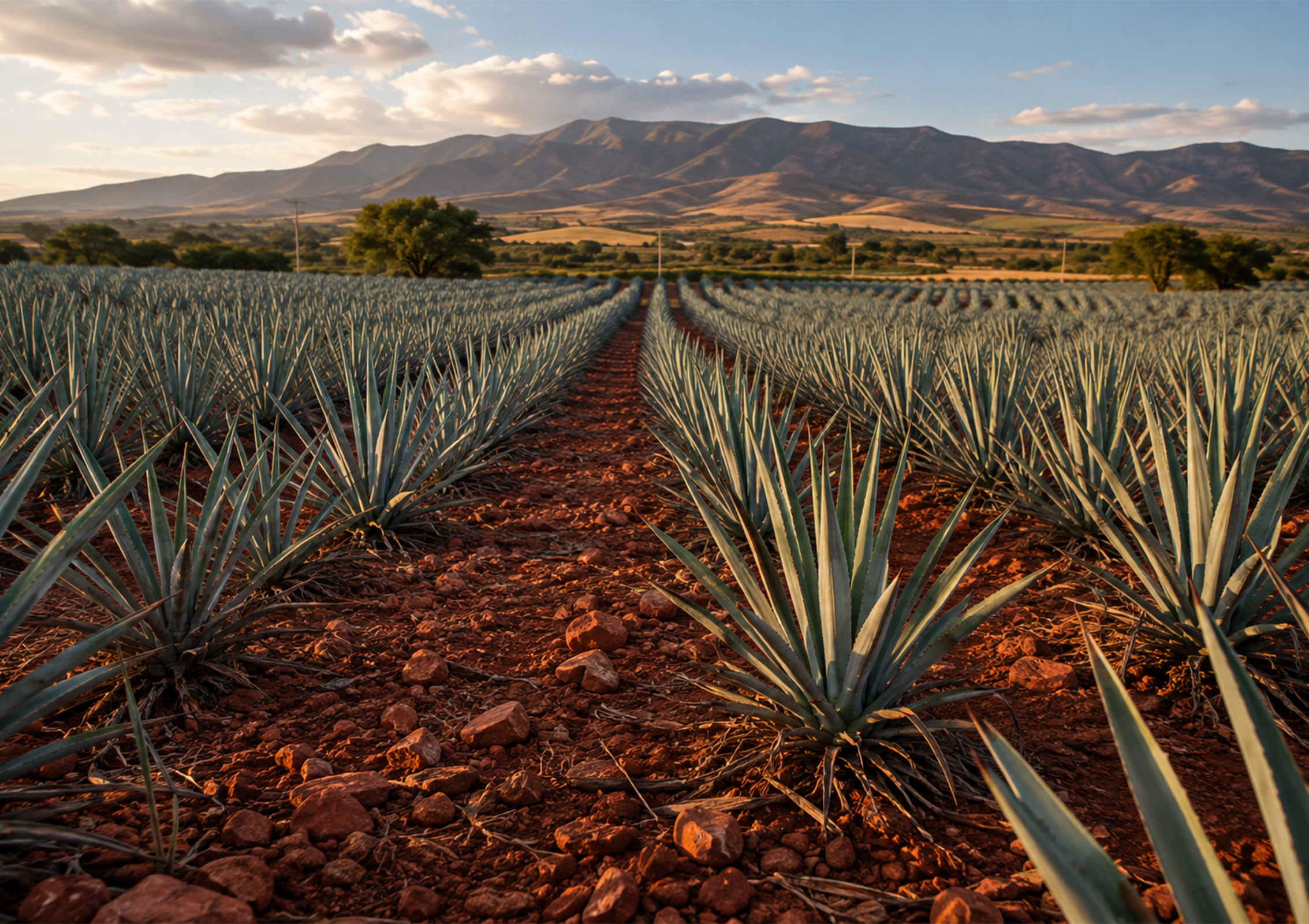
Long before anyone in Mexico distilled tequila, families already poured drinks for their dead. The drink in those days was pulque, a thick milky drink fermented from agave sap that people in central Mexico have made for well over a thousand years.
The Aztecs connected pulque to Mayahuel, the goddess of the maguey plant, and kept it mostly for priests and elders. Ordinary people who got drunk on it in public could face harsh punishment, so a cup of pulque on an altar was a gift worth noticing.
The Spanish brought distillation with them in the 1500s, which eventually gave the country tequila and mezcal. Those spirits found their way onto the altar the same way they found their way into everyday life, so the gesture stayed the same while the glass filled with something new.
Today an adult's altar might hold a bottle of tequila or a jug of pulque with a pack of their favorite cigarettes next to it. Families call this drink the trago (a drink or a swig) and usually pour it into a caballito, the tall narrow shot glass every Mexican household keeps in the cupboard. The children's altars get atole or hot chocolate instead.
Think about the last time someone you love came to visit after a long trip. You probably had a drink ready before they even set their bags down, because that's what you do for people who traveled a long way to see you.
Families welcome the dead the same way, with a glass poured and waiting on the altar when they walk through the door. They believe the dead take in the essence of whatever the family offers, so the tequila still nourishes them even though the level in the glass never drops.
If your grandfather drank the same tequila for forty years, that's the bottle that goes on his altar in the kind of glass he reached for at the kitchen table. Nobody wants a guest to feel like a stranger in his own house.
Whoever pours that glass thinks about who used to drink from it, maybe the toast he always gave at weddings or the way he held a caballito between two fingers. For one night he feels close enough to talk to.
Most Americans grieve quietly and mostly alone, with a funeral that lasts an afternoon and a calendar that never sets aside a day for the people they lost. After the first year or so their names come up less often at dinner because nobody quite knows when it's okay to bring them up.
Mexican American artists in California pushed back against that silence in 1972 when they held the first public Día de Muertos celebrations in the US. Today you'll find ofrendas in museums and community centers across the country every fall.
The National Museum of Mexican Art in Chicago has said plainly that you don't need Mexican roots to appreciate the tradition, since anyone who has lost someone can see themselves in it. That welcome is worth taking seriously.
This November, pour a glass of whatever someone you miss used to drink and set it somewhere you'll see it all evening. Say their name out loud when you pour it, then tell one story about them to whoever's in the room with you.
The tradition belongs to Mexican families, so keep your attention on the person you're remembering and leave the face paint at home. A single glass on the kitchen counter honors the holiday more than any party ever could.
On the night of November 1, families in towns like Mixquic on the edge of Mexico City carry candles to the cemetery and keep watch over the graves until morning. Some bring a guitar and play the songs the person loved. By sunrise they walk home tired, with the sense that someone they missed stopped by for a while.
The tradition belongs to Mexican families, so keep your attention on the person you're remembering and leave the face paint at home. A single glass on the kitchen counter honors the holiday more than any party ever could.
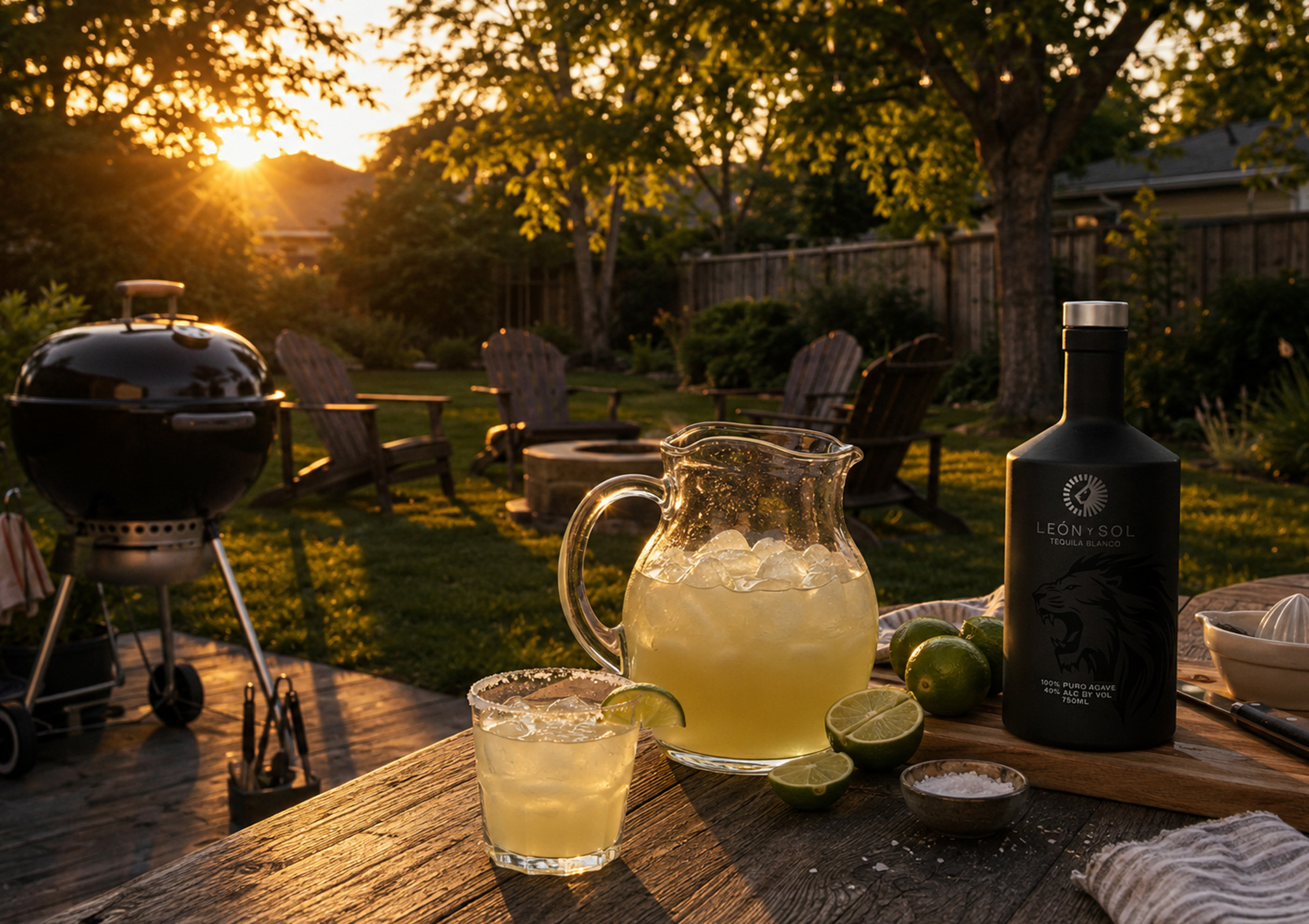
Whoever you pour for this year, choose the bottle they would have chosen and give them the whole evening. If they loved tequila, we’d be honored to keep them company with a glass of León Y Sol.