Highland tequila tastes like cooked fruit and citrus. Lowland tastes like pepper and earth. Here's what separates Los Altos from the Valle, and how to taste it yourself.
Two bottles on the same shelf, same price, both saying 100% agave. You pick one basically at random, because nothing on either label tells you they’ll taste almost nothing alike.
One of them will come at you with cooked fruit and citrus. The other will be sharp and peppery with something raw underneath it. Same plant, same regulations, same state even, and the only thing separating them is about two hours of driving between the highlands and the valley.
Once you can taste that difference, you no longer have to guess what the bottle on the shelf will taste like. This guide covers what each region does to agave, what to expect in the glass, and how to compare them yourself.
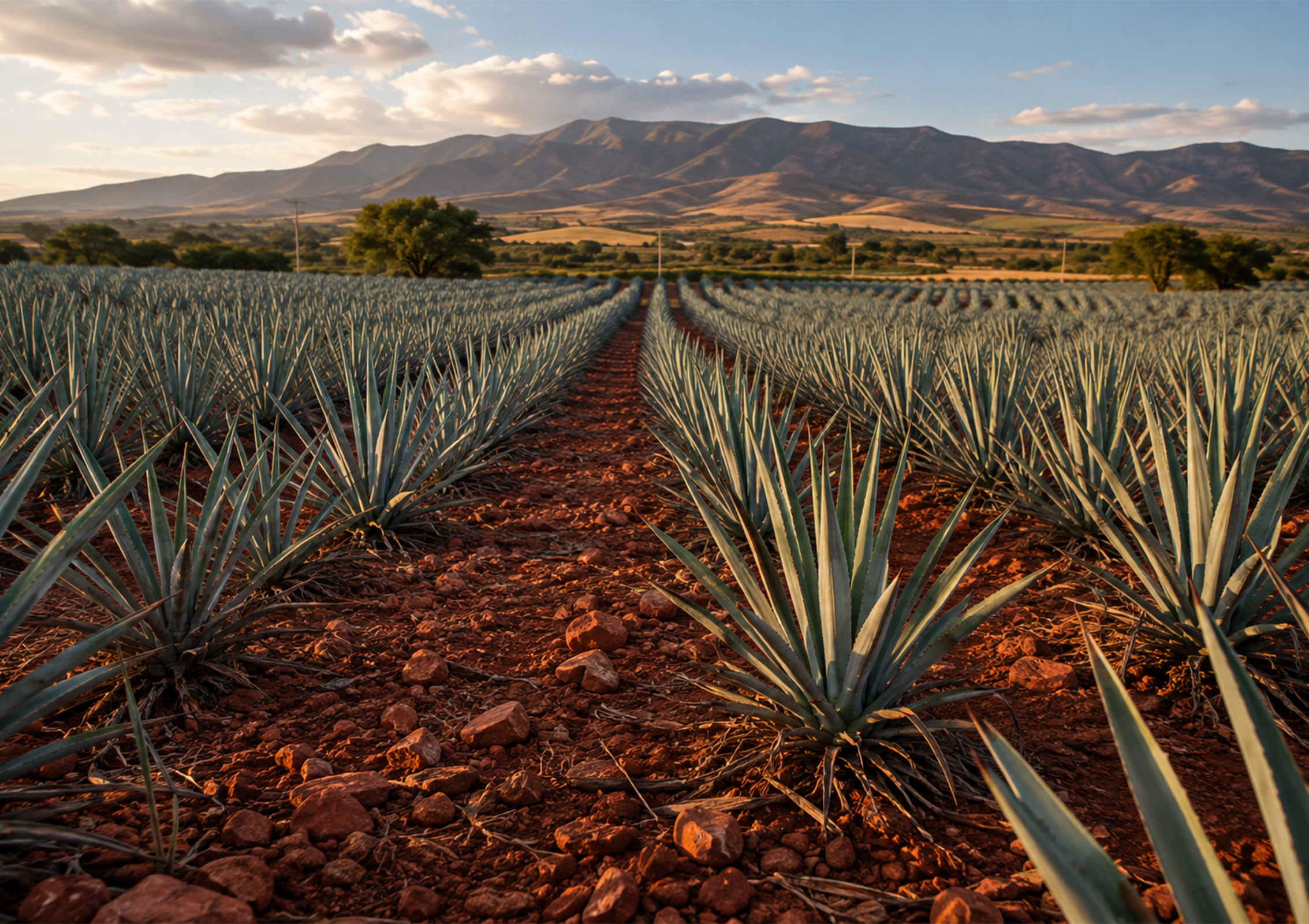
Los Altos de Jalisco is northeast of Guadalajara, up around 7,000 feet, where the ground turns rust red from all the iron in it. Drive two hours west and down and you’re in the Valle, which is the flat stretch of land around the town of Tequila itself, where the soil is dark volcanic red and the air stays warm most of the year.
Only two hours apart and yet, the tequila coming out of them barely tastes related.
That surprises people, mostly because tequila production is highly regulated by the authorities. One agave species, five authorized states, and a government body tasting every batch. You’d expect all that oversight to flatten out the differences, when it does the opposite. Lock in the plant and the process, and the geography becomes one of the few variables left.
The plant responds to where it grows. Highland agave spends six to eight years in thin air with freezing nights and punishing afternoons, which makes it hoard sugar to survive. Lowland agave grows in steadier heat with different minerals under it, so it develops along a completely different line.
That difference is obvious once you know how to look for it. Pour a highland blanco next to a lowland blanco and you won’t need anyone to tell you which is which.
Highland tequila leads with sweetness. Cooked agave first, then citrus, usually orange or grapefruit rather than sharp lime, and underneath that something floral you’ll notice more on the nose than the tongue. The good ones edge toward candied fruit without ever getting cloying.
The texture is the part people miss. Highland tequila lands rounder and softer, filling out the middle of your palate instead of cutting straight through it. The finish tapers off gently, which is why Highland expressions tend to be the ones people describe as easy to drink.
All of that comes from what the plant went through. Up at that elevation, the temperature swings hard between freezing nights and hot afternoons, so the agave pumps out extra sugar just to get through it. More sugar going into the oven means more of that fruit character coming out on the other side.
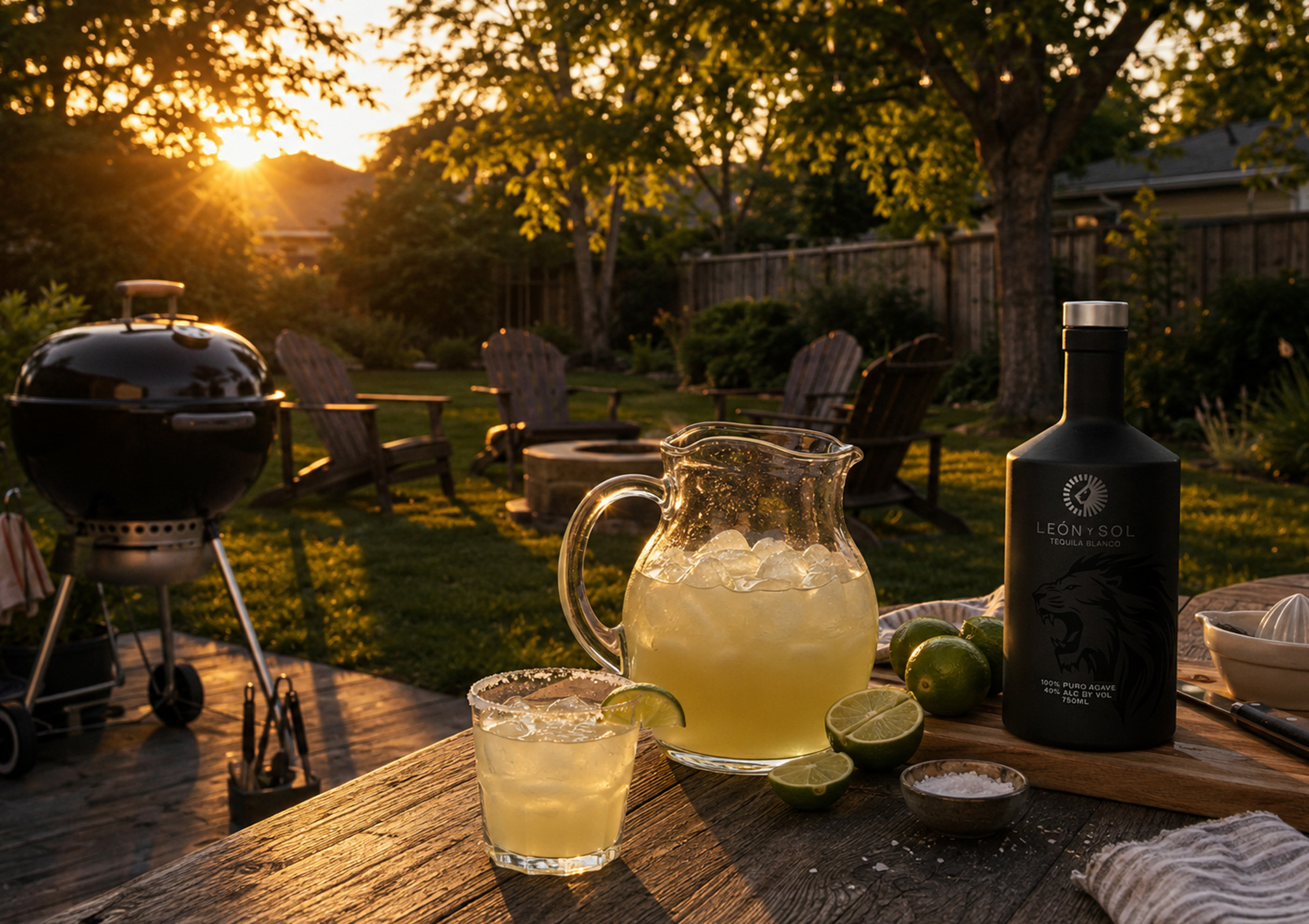
That’s what we work with at León Y Sol, sourcing entirely from Los Altos because the highland profile survives everything that happens after harvest. Four months in oak adds coffee and caramel to our reposado, and the fruit underneath still comes through clearly. Lowland agave in the same barrels would give you a completely different tequila.
Lowland tequila comes at you from the other side. Black pepper up front, then something green and vegetable like raw agave or fresh herbs, with a mineral streak running underneath the whole thing. Less fruit, more earth.
It finishes drier too, with a bite that stays a few seconds after you swallow. Where highland tequila softens on the way down, lowland asserts itself and keeps going. The edge is the entire appeal for people who prefer it.
Neither profile beats the other, but you won’t hear that from any Highland brands. Some of the most respected distilleries in Mexico have operated in the Valle for over a century, and plenty of serious drinkers consider lowland the more honest expression of what agave should taste like. Fruit and softness are fan favorites because they’re easy to like. Pepper and minerality ask more of you.
If you’ve had tequila that tasted sharp and green and you assumed it was because it was cheap, there’s a decent chance that it was just lowland and you weren’t ready for it yet.
Reading about this only gets you so far. Buy one bottle from each region and taste them side by side. The whole thing will click in about ten minutes.
Blanco is the only fair comparison here. Oak covers a lot of ground, so a highland reposado next to a lowland reposado tells you more about barrels than about geography. Start unaged, where there’s nowhere for the agave to hide.
Here’s how to run it:
Once you’ve done this once, you’ll catch it in cocktails too.
Match the region to what you’re doing with it. Highland tequila handles citrus cocktails better because the fruit character goes well with the lime instead of fighting it, and it’s the safer pour when you’re serving people who claim they don’t like tequila. Lowland works when you want the spirit to announce itself, in something spirit-forward or neat for someone who already knows what they like.
Most people find highland easier to start with. That’s not a knock on either one, just a reflection of what an American palate tends to recognize first.
We source León Y Sol tequila entirely from Los Altos for reasons beyond preference. Highland fruit survives the barrel, so your reposado picks up coffee and caramel over four months without losing what the agave brought in. Our blanco shows the same character with nothing on top of it, which is the clearest look at what those temperature swings can do to a plan.
Try ours next to something from the Valle sometime. That comparison will teach you more about your own palate than any article can.