Complete guide to non-alcoholic tequila: how it's made, taste comparisons, best cocktails, and why NeQuila uses real agave instead of botanical approximations.
Non-alcoholic tequila used to be a punchline. Now it’s a $445.8 million market growing at nearly 10% annually because products finally stopped tasting like botanical sadness mixed with regret.
Traditional tequila gets you drunk. Non-alcoholic tequila gets you margaritas, palomas, and ranch waters without the hangover, containing just 0.0–0.5% ABV through dealcoholization or botanical blending. This category is exploding as younger drinkers are consuming less alcohol overall but demanding better quality when they do drink. The focus shifted from quantity to quality, with premiumization hitting even zero-proof options because settling for products that taste like compromise is over.
This guide covers how non-alcoholic tequila is made, honest comparisons to real tequila, best non-alcoholic cocktail uses, and why NeQuila™ raises the standard by starting with real tequila.
Non-alcoholic tequila is zero-proof beverage designed to replicate tequila’s agave flavor, peppery heat, and cocktail versatility without the alcohol. It contains between 0.0% and 0.5% alcohol by volume, which qualifies as “non-alcoholic” under US regulations. Most aren’t made by removing alcohol from real tequila. They’re built from the ground up using botanical blends or agave-based formulations that mimic what tequila tastes like without ever going through traditional fermentation and distillation.
The category exploded because drinking culture has changed drastically over the years. US drinking rates hit an all-time low of 54% in 2025, down from 67% just three years earlier. Young Americans aged 18–34 drove the change, with only 59% consuming alcohol between 2021–2024 compared to 70% two decades prior. The focus shifted from drinking to get drunk to savoring drinks as experiences, which created demand for quality zero-proof options that don’t taste like compromise.
There are two ways to make non-alcoholic tequila, and each way determines whether you’re drinking something that really does taste like tequila or just vaguely agave-flavored sadness.
Here’s how it works:
In the United States, anything with 0.5% ABV or less qualifies as “non-alcoholic.” That threshold allows trace amounts from fermentation or botanical extraction without requiring liquor licensing. Simple enough.
Here’s where it gets weird. Unlike traditional tequila with its strict NOM standards and denomination of origin protection, non-alcoholic versions have zero regulated definition. Production can happen anywhere. No Mexican oversight. No quality standards. Anyone can make it however they want.
Brands just can’t legally call their products “tequila” since that term is protected by international law requiring production in specific Mexican regions from blue Weber agave. You’ll see labels like “tequila alternative” or “agave spirit” instead. This lack of regulation means quality control falls entirely on the producer. Some care about making something good. Others just want to cash in on the trend.
Let’s be direct. Non-alcoholic tequila is not the same as real tequila. You can’t chase perfect dupes because you’ll end up disappointed every time. The alcohol isn’t the only thing missing. You lose mouthfeel, viscosity, and some of the complexity that comes from the fermentation and distillations.
But what matters is that the gap between NA and traditional tequila is closing faster than any other spirits category. The best non-alcoholic tequila isn’t trying to be a perfect impostor anymore. It’s becoming its own thing.
Here’s how non-alcoholic and traditional tequila compare:
When done well, non-alcoholic tequila succeeds more than you’d expect:
These are some honest limitations worth knowing before you buy:
Just like traditional tequila comes in blanco, reposado, and añejo expressions, non-alcoholic versions mimic these aging styles. Some brands use actual barrel aging. Others add flavors to approximate what oak does. The style you choose determines whether you’re mixing margaritas or sipping something worth slowing down for.
Non-alcoholic blanco tequila is the unaged, clear expression that most brands start with. It’s versatile, works in everything, and shows you exactly what the producer can do with agave flavor before oak gets involved:
Non-alcoholic reposado tequila brings oak influence to the party. Some brands actually age it in barrels, while others approximate the flavor through natural additives. Either way, this is where zero-proof tequila gets interesting enough to drink without mixers:
Non-alcoholic mezcal alternatives lean hard into smoke. Heavy, bold, earthy flavors that dominate everything in the glass. Not for everyone, which is exactly the point. Here’s what to expect:
Not all non-alcoholic tequilas are created equal. The category ranges from premium bottles using real agave to cheap botanical water that tastes like someone described tequila over the phone to a confused chemist. Price doesn’t always indicate quality, but certain markers separate the good from the garbage. Here’s what to look for when choosing a non-alcoholic tequila:
Non-alcoholic tequila shines in certain applications and falls flat in others. Knowing where it works best can save you from a disappointing drink and wasted bottles. Here’s where NA tequila excels and where it can’t compete with the real thing:
The non-alcoholic margarita is hands-down the best use for NA tequila. Fresh lime juice and the salt rim mask the lighter body while letting the agave flavor shine. This is the gold standard test for any zero-proof tequila.
The non-alcoholic paloma works beautifully because the grapefruit soda adds body, bitterness, and carbonation. This is Mexico’s favorite non-alcoholic tequila cocktail.
Simple NA tequila and soda with lime is where quality really matters. Nothing hides flaws here. Premium non-alcoholic tequila shines brightest here, while cheap botanical blends taste watery and disappointing.
Be realistic about limitations before you waste money trying to force NA tequila into situations where it can’t compete:
The non-alcoholic tequila category exploded over the past three years, going from almost non-existent to mainstream shelf space at the liquor store. Product quality went from “why would anyone drink this?” to genuinely competitive with cocktails made from regular spirits.
Non-alcoholic spirits are growing 18% annually through 2028 in the United States, with premium products capturing the largest market share. That growth makes sense when you look at who’s driving it. Nearly half of Americans actively tried drinking less in 2025, up 44% from just two years earlier.
Gen Z isn’t waiting until their 40s to cut back, either. Sixty-five percent planned to reduce alcohol consumption in 2025, and 39% went completely dry for the entire year, not just performative Dry January. The sober curious movement stopped being a trend and became the default for an entire generation. NA spirits grew 32% in 2023 while ready-to-drink NA cocktails jumped 36%.
This is what’s driving non-alcoholic tequila forward:
The category will keep growing as production methods improve and more premium brands enter the market. Expect better taste parity with real tequila, wider distribution beyond specialty stores, and mainstream acceptance at bars that currently think one NA beer option is enough. Gen Z’s willingness to buy sober curious products (43% versus 10% of Boomers) will keep pushing the momentum forward.
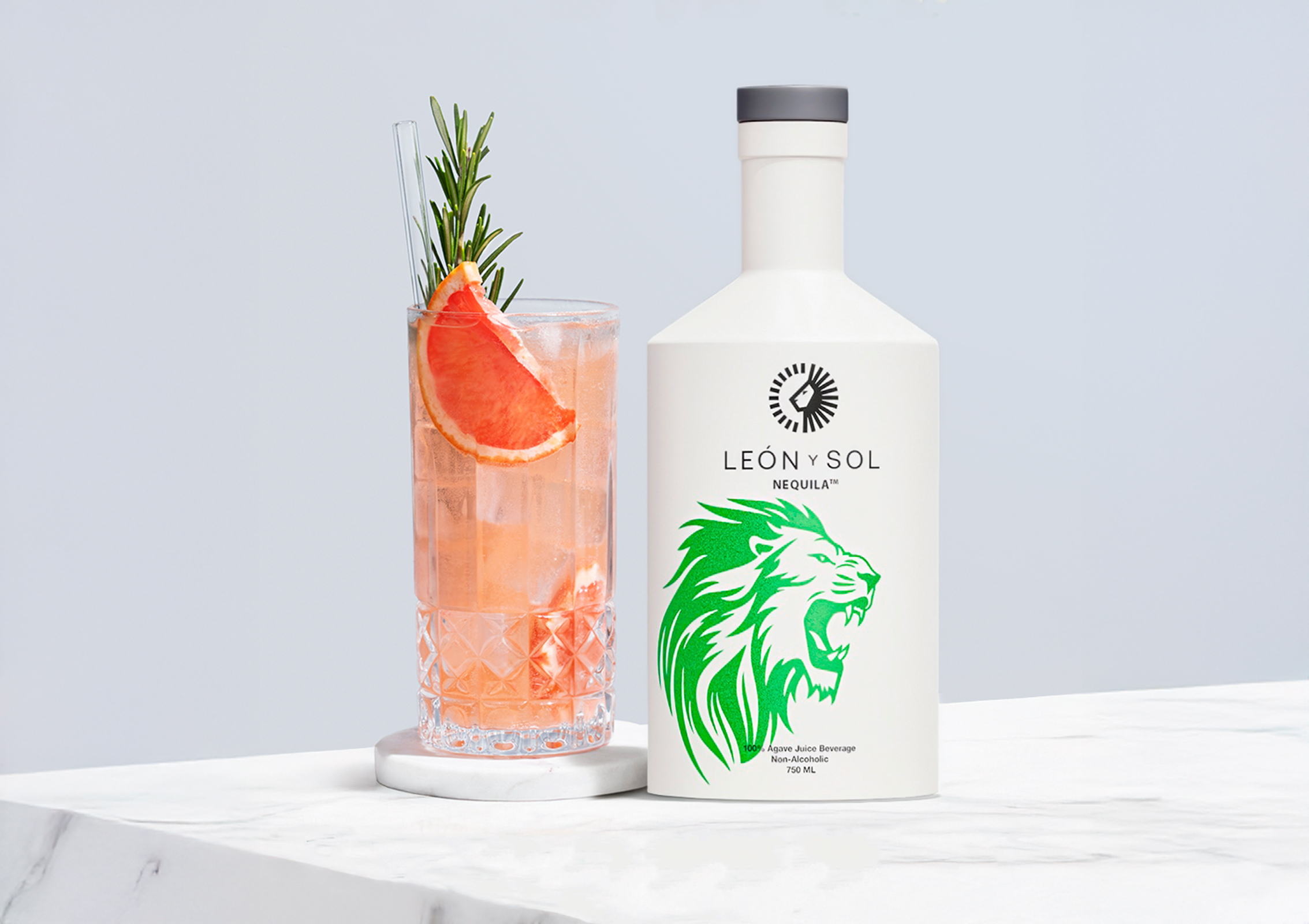
Most non-alcoholic tequilas use botanicals to approximate what agave might taste like. NeQuila does something completely different. It’s one of the only non-alcoholic agave spirits made by crafting premium tequila first, then carefully removing the alcohol. What remains is all the bold character, depth, and natural benefits of blue agave without the buzz.
This production method is why NeQuila costs $49 instead of $20. This is real tequila that’s been dealcoholized for an NA experience. Small-batch crafting under the León Y Sol umbrella means the same standards that go into traditional tequila apply here. No shortcuts. No botanicals. Just real agave processed the right way, minus the ethanol.
NeQuila works for unwinding after work, celebrating moments that matter, or just living with intention on a Tuesday. It’s versatile enough for margaritas and palomas but refined enough to drink on its own when you want the ritual without the hangover. Whether you’re sober curious, pregnant, or just looking to take a break from alcohol’s downsides, this is your alternative that doesn’t taste like compromise.
Shop NeQuila exclusively at León Y Sol and select retailers.
Premium brands using real agave like NeQuila come remarkably close. Botanical blends taste agave-adjacent but not identical. The biggest difference is mouthfeel and alcohol warmth. In margaritas and palomas, quality NA tequila is nearly indistinguishable from the real thing.
No. Non-alcoholic tequila contains 0.0-0.5% ABV, which is negligible. You'd need to drink impossible amounts to feel anything. Regular tequila sits at 40% ABV. Some kombucha has more alcohol than NA spirits.
Depends on the brand. Premium options like NeQuila start with real tequila made from blue Weber agave, then remove the alcohol. Most cheaper brands use only botanicals to approximate agave flavor. Check ingredient lists before buying.
NeQuila works best for non-alcoholic margaritas because it starts with actual tequila before dealcoholization instead of botanical approximations. Use 2 oz instead of standard 1.5 oz to compensate for lighter body and get full agave flavor.