Debunking common tequila myths: the worm, worse hangovers, salt and lime, cactus confusion, and more. Learn what's actually true about tequila.
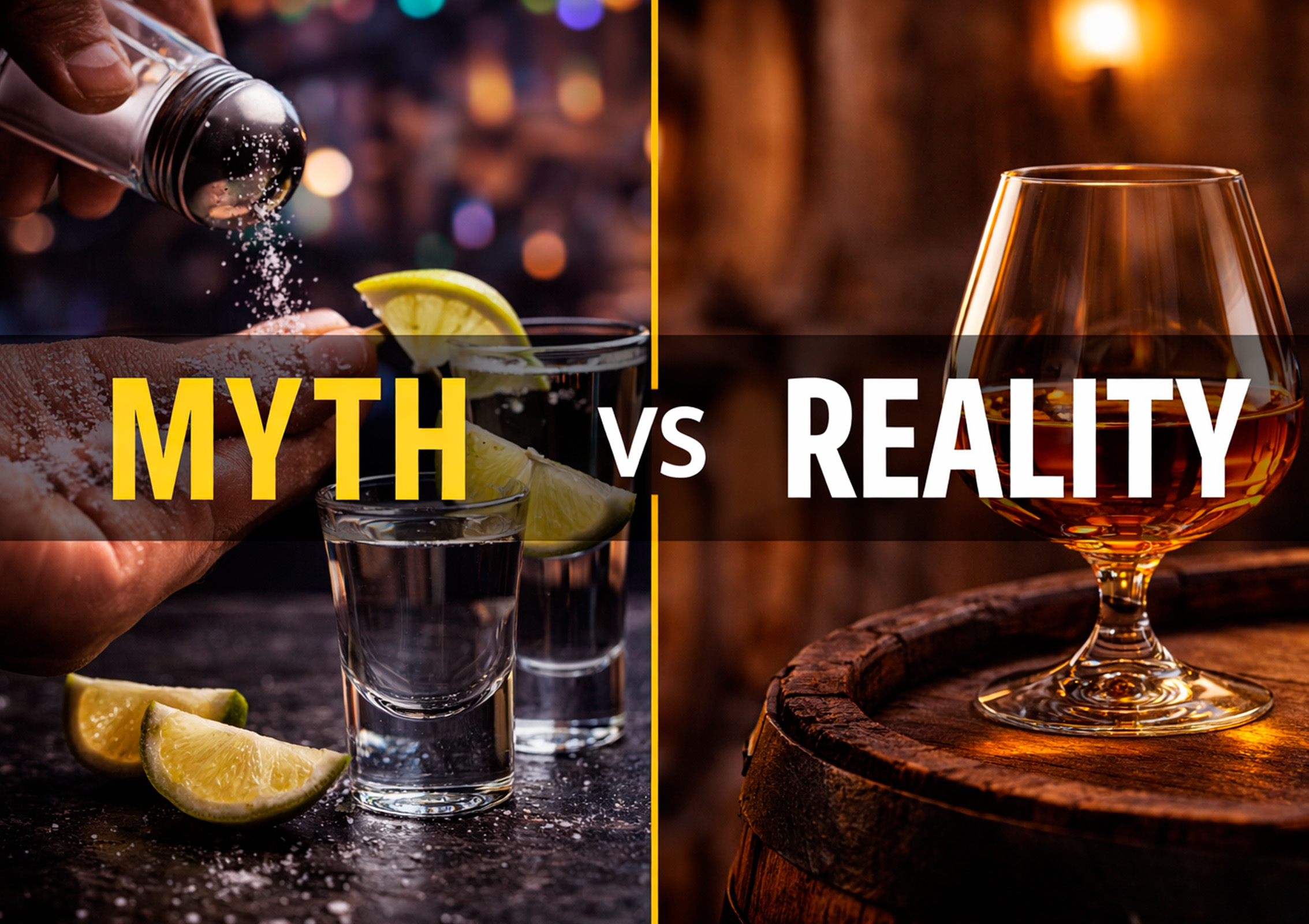
Your friend orders a shot of tequila, licks their hand, sprinkles salt, and tells you about the time they ate the worm. They swear tequila makes them act differently than other spirits, that it’s made from cactus, and that getting the cheap one is smart because they all taste the same anyways.
You nod along because correcting people at bars is annoying and you’re not that person. But unfortunately, almost everything people believe about tequila is wrong. Not slightly off. Completely, demonstrably wrong.
These myths about tequila survive because people learned them young and never questioned them. Someone told them in college, they repeated it to someone else, and now it’s just accepted wisdom that nobody bothers to verify. Let’s fix that.
Authentic tequila never has a worm. If you see one floating in a tequila bottle, either someone put it in there as a prank or the tequila maker wanted to capitalize on this myth.
The worm thing started with mezcal in the 1940s and 50s as a marketing gimmick. Some mezcal brands ases a moth larva (called gusano) that lives on agave plants to differentiate their product from tequila and attract curious customers. It worked. People bought bottles specifically for the weird bug at the bottom.
Mexican regulations explicitly prohibit worms in tequila, though. The Consejo Regulador del Tequila enforces strict standards about what can and can’t go in a bottle labeled tequila, and dead insects don’t make the cut.
This myth is still around because many had their first experience with tequila with the cheap mixtos that flooded the US market in previous decades. Comparing cheap tequila to quality bourbon or vodka will absolutely have disappointing results.
But that’s not the case anymore. High quality, 100% agave tequila doesn’t cause worse hangovers than vodka, whiskey, rum, or gin at the same proof and quantity. Your liver processes ethanol the same way regardless of what plant it came from. The spirit itself isn’t the villain.
What actually causes those legendary tequila hangovers:
Tequila doesn’t make you act any differently than vodka, whiskey, rum, or gin at the same proof and quantity. Alcohol is alcohol. Ethanol affects your brain the same way regardless of what plant it came from.
The “tequila makes me crazy” myth exists entirely because of context and expectations. People shoot tequila at parties where getting drunk is explicitly the goal. They consume it fast, which means they get drunk harder and faster than sipping wine over two hours. Sugary mixers also spike and crash blood sugar, which boosts that drunk feeling.
If tequila make syou crazy, it’s because you drank too much too fast in a situation where acting crazy felt acceptable. The agave doesn’t affect your brain in any special way.
Salt and lime exists to mask bad tequila, not enhance good tequila. The ritual started when cheap mixto was everywhere in the US, and most human beings needed something to get it down without gagging.
Quality 100% agave tequila doesn’t need to be masked. The salt numbs your palate before the shot hits. The lime covers up whatever flavor makes it through. You’re essentially building defenses against tasting what you’re drinking, which defeats the purpose of buying anything better than bottom-shelf tequila.
Try shooting quality blanco without salt and lime. You’ll notice how the flavors taste instead of just alcohol burn.
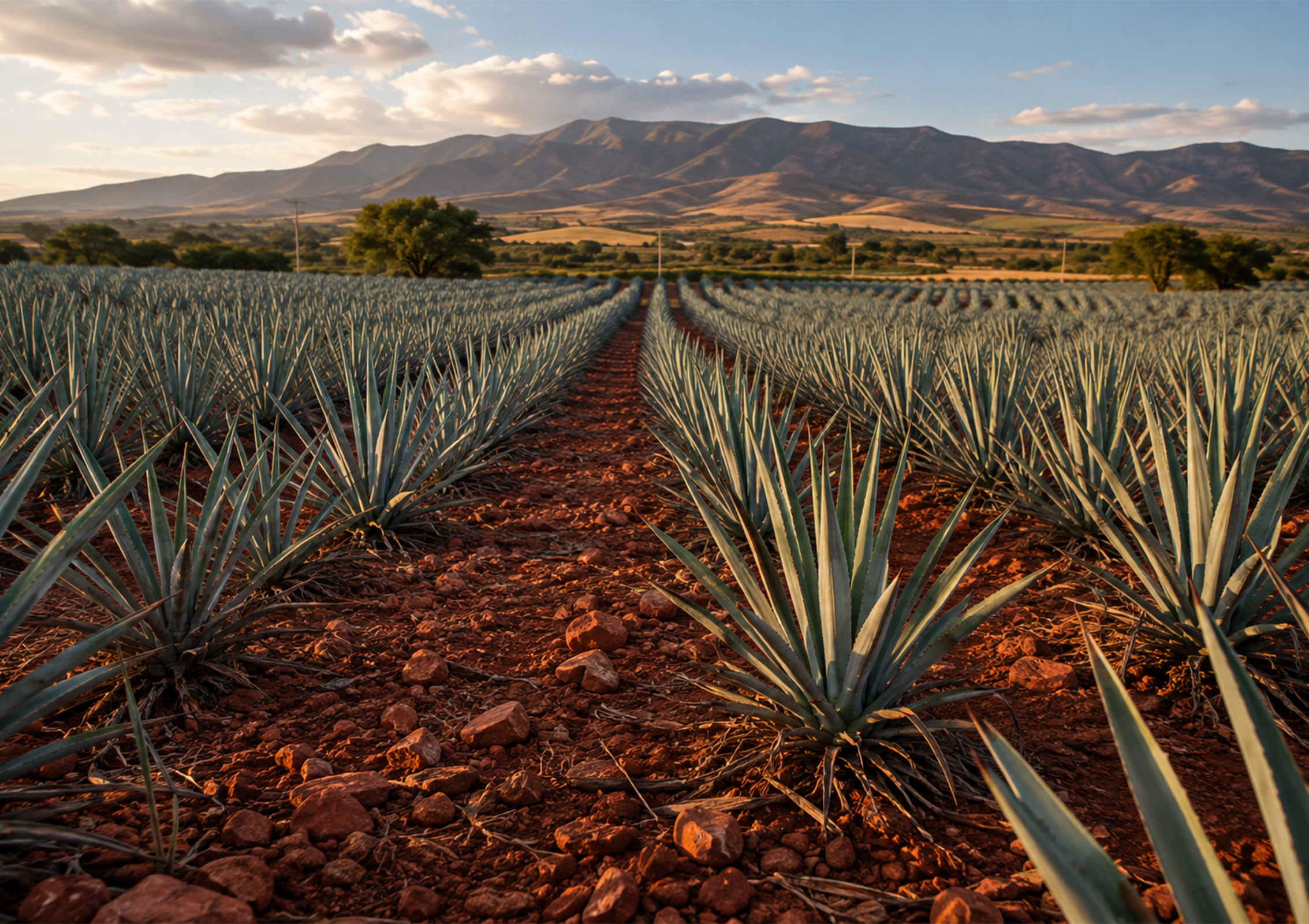
Tequila comes from blue Weber agave, which is a succulent related to asparagus and lilies. Not a cactus. Completely different plant family.
Agave and cacti look similar because they both evolved to survive dry, hot climates with water-storing leaves and sharp points. That’s where the similarity ends. Botanically, they’re as different as roses and oak trees.
This misconception is so widespread that even some bars and liquor stores get it wrong. If someone tells you tequila is cactus juice, they know nothing about tequila.
Blue Weber agave is blue Weber agave. Nothing else makes tequila.
All alcohol is a central nervous system depressant. Tequila, vodka, whiskey, rum, gin. They all slow down brain function and depress your nervous system. That’s how alcohol works at a chemical level. There are no exceptions.
The “tequila is an upper” myth comes from the same place as “tequila makes me crazy.” Party context creates the illusion. People shoot tequila in high-energy environments where everyone’s already amped up.
Some people claim agave contains compounds that act as stimulants. While that may be true, none of those compounds survive fermentation and distillation. By the time agave becomes tequila, whatever properties the plant had are long gone.
Tequila isn’t an upper. It’s a depressant you’re drinking in high-energy situations.
Price usually reflects quality, but not always. Sometimes you’re paying for hand-painted ceramic decanters or celebrity endorsements instead of what’s really in the bottle.
A $200 bottle in a gorgeous hand-crafted container might hold tequila that’s not considerably better than a $60 bottle in standard glass. Diminishing returns hit hard past a certain price point. The jump from a $30 mixto and a $50 quality blanco is massive. The jump from a $100 añejo to a $250 añejo is usually just paying for marketing.
Focus on production quality instead of price tags. Look for 100% agave, traditional methods, proper aging when it matters, and transparent production details. Some of the best tequila is in the $60–$90 price range where distillers invest in quality without charging for hype.
Expensive tequila can be incredible. But it can also be overprices marketing wrapped in a pretty bottle. Know the difference.
This usually means “all cheap tequila I’ve shot at parties tastes the same,” which is probably true. Bottom-shelf mixto is bottom-shelf mixto. No variation, no character, just harsh alcohol that needs salt and lime to go down.
Quality tequila shows as much variation as wine or whiskey. Highland agave from Los Altos tastes sweeter and fruitier than the earthy, herbaceous lowland agave from the valley. Blanco, reposado, and añejo are completely different drinking experiences even when they come from the same distillery.
Saying all tequila tastes the same is like saying all wine tastes like boxed wine because that’s the only wine you’ve tried. It’s not a statement about tequila, but about about your experience with it.
Taste León Y Sol Blanco next to a lowland blanco. You’ll see exactly how they don’t taste the same.
These misconceptions have stuck around because people learned them in college and never questioned them. The work is a mezcal marketing gimmick. Tequila doesn’t give worse hangovers or make you crazy. Salt and lime are training wheels for bad spirits. Agave isn’t a cactus. price doesn’t always mean quality. And tequila definitely isn’t an upper.
Now you know! Quality 100% agave tequila deserves better than myths left over from spring break 2009. Shop León Y Sol for tequila that proves what highland agave is supposed to taste like when nobody is cutting corners.