From the worm myth to NOM numbers, these tequila facts separate knowledge from bar mythology. Impress people without being annoying about it.
Someone at the bar confidently tells you that tequila gives you a different kind of drunk. Your friend swears there’s a worm inside every bottle of real tequila. The server recommends a brand of tequila they claim was made in Tijuana. All of them are completely wrong, but they sound so sure about it that you almost believe them.
Here are twelve facts about tequila you need to know about if you enjoy the spirit. Some will help you spot quality bottles, some will save you from bad hangovers, and some will just make you more interesting when the conversation turns to what everyone’s drinking. Learn these and you’ll never fall for tequila myths and misconceptions ever again.
Most bar knowledge about tequila is recycled misinformation that people repeat because it sounds right. The worm myth, the gold tequila confusion, the idea that tequila makes you a different kind of drunk. Here are the real tequila facts that separate those who know tequila from those who’ve heard rumors.
The worm lives in mezcal bottles because a guy named Jacobo Lozano Páez decided in the 1940s that tourists needed a gimmick. It worked so well that seventy years later people still ask bartenders about the worm in tequila even though it was never there.
The worm, called a gusano, is a moth larva that occasionally lives in agave plants. Some mezcal producers still add it for tradition or Instagram. Zero connection to tequila, though.
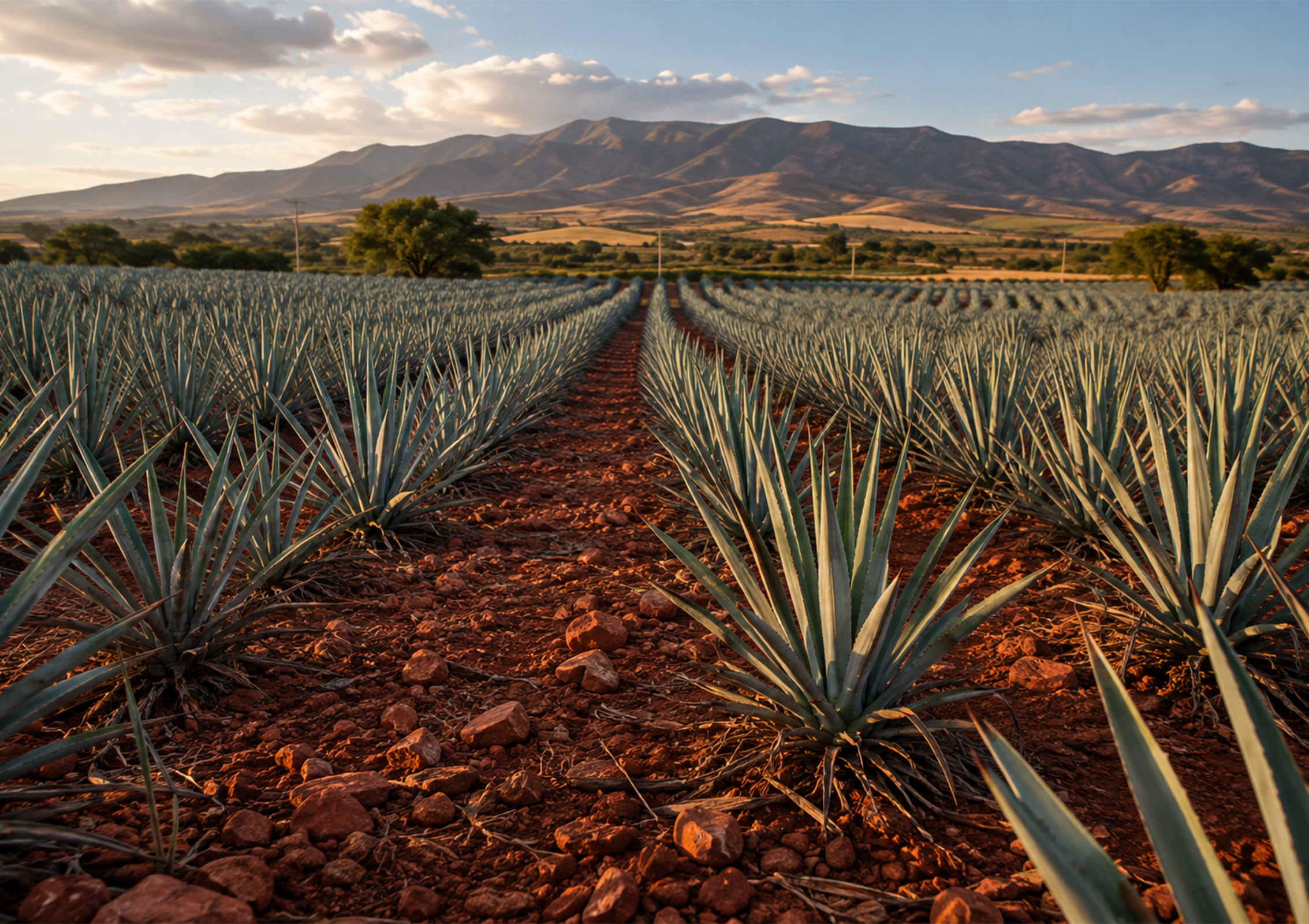
Plant blue Weber agave today and you’ll harvest it sometime around 2032. Highland agave from Los Altos needs six to eight years. Lowland agave takes eight to ten. The whole time, farmers are just waiting and hoping nothing goes wrong.
This is why tequila costs more than vodka. Grain spirits harvest every year, but agave needs a decade of patience before anyone sees a peso. Your relationship status will probably change three times before that plant is ready.
Every tequila bottle has a NOM number that looks like “NOM-1579” and tells you which distillery actually made it. One facility can produce tequila for dozens of brands, and many times you’re just paying for a celebrity partnership or brand name. The fancy bottle might come from the same place as the budget option three shelves down.
Look up the NOM online and you’ll see which brands share distilleries. This will help you identify how to pay for quality instead of just packaging and hype.
Tequila can legally be made in five Mexican states:
Jalisco produces about 95% of all tequila in the world, though. The other four states combined barely make a dent in the total output.
Within Jalisco, you’ve got Los Altos (the highlands) and El Valle (the valley around the town of Tequila). Highland tequilas tend toward sweeter, fruitier profiles. Valley tequilas lean earthier and more herbaceous. Both come from the same state, but the terroir creates completely different spirits.
Everyone has a friend who swears tequila makes them act crazy or get aggressive. The science says they’re lying to themselves and everyone else. Alcohol is alcohol. Ethanol is ethanol. Your body processes tequila the same way it process vodka, whiskey, or wine.
Ge
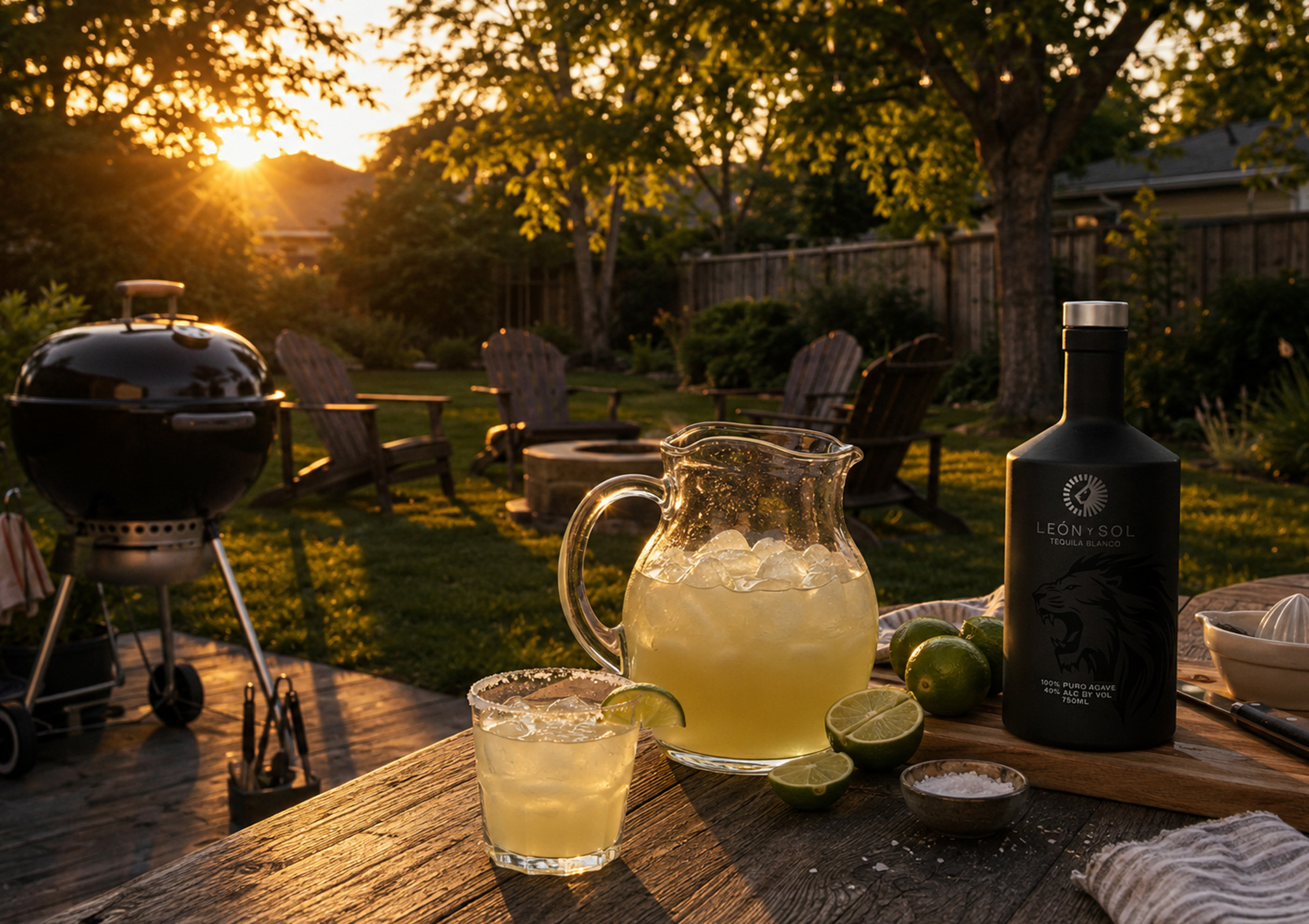
The real culprit is how you drink it. Tequila gets taken as shots with salt and lime, which means you’re consuming a lot of alcohol very fast. Add sugary margarita mix and you’ve got a recipe for bad decisions. Blame the delivery methods and the mixers, but not the spirit.
Some tequila producers still crush their cooked agave the traditional way using a tahona, which is basically a massive stone wheel that weighs around two tons. Horses or donkeys pull it in circles over piles of agave, crushing the piñas and extracting the juice. It’s slow, inefficient, and not really necessary in 2026, but it’s still a cute tradition.
Modern roller mills do the same job faster and cheaper. The tahona survives because it looks incredible and connects to how tequila is made traditionally. Some distillers swear it creates better flavor by preserving more agave character. Others think it’s romantic theater that costs extra for no real benefit.
Tequila has denomination of origin protection just like Champagne or Parmigiano-Reggiano cheese. You can’t make it anywhere except fore the five states mentioned earlier, though almost all of it is made in Jalisco anyway. Try to distill blue Weber agave in California or Texas and call it tequila, and the Mexican government will shut you down faster than you can say cultural appropriation.
This protection has been in effect since 1974 and is enforced seriously. If it’s not made in one of those five states following strict regulations, it’s not tequila. It’s just agave spirits with delusions of grandeur.
Quality tequila says “100% agave” on the label. Mixto doesn’t say anything at all, which should be your first warning sign. Mexican law only requires mixto to contain 51% blue Weber agave sugars. The other 49% can come from cane sugar, corn syrup, or whatever cheap filler the distillery has lying around.
This is why mixto gives you worse hangovers and tastes like regret. The additives and cheap sugars wreck your system harder than pure agave ever would. If the bottle doesn’t explicitly say “100% agave,” you’re drinking the tequila equivalent of a hot dog.
Reposado tequila chills in oak barrels for two to twelve months, which puts it right between unaged blanco and heavily aged añejo. That middle ground is exactly where the market is headed right now, as younger drinkers are choosing reposado over blanco because it has more complexity without losing the agave character entirely.
The growth numbers back this up. Reposado is projected to grow faster than any other tequila category through 2030. People are figuring out that aged tequila deserves better than shots and actually tastes good when you slow down and pay attention.
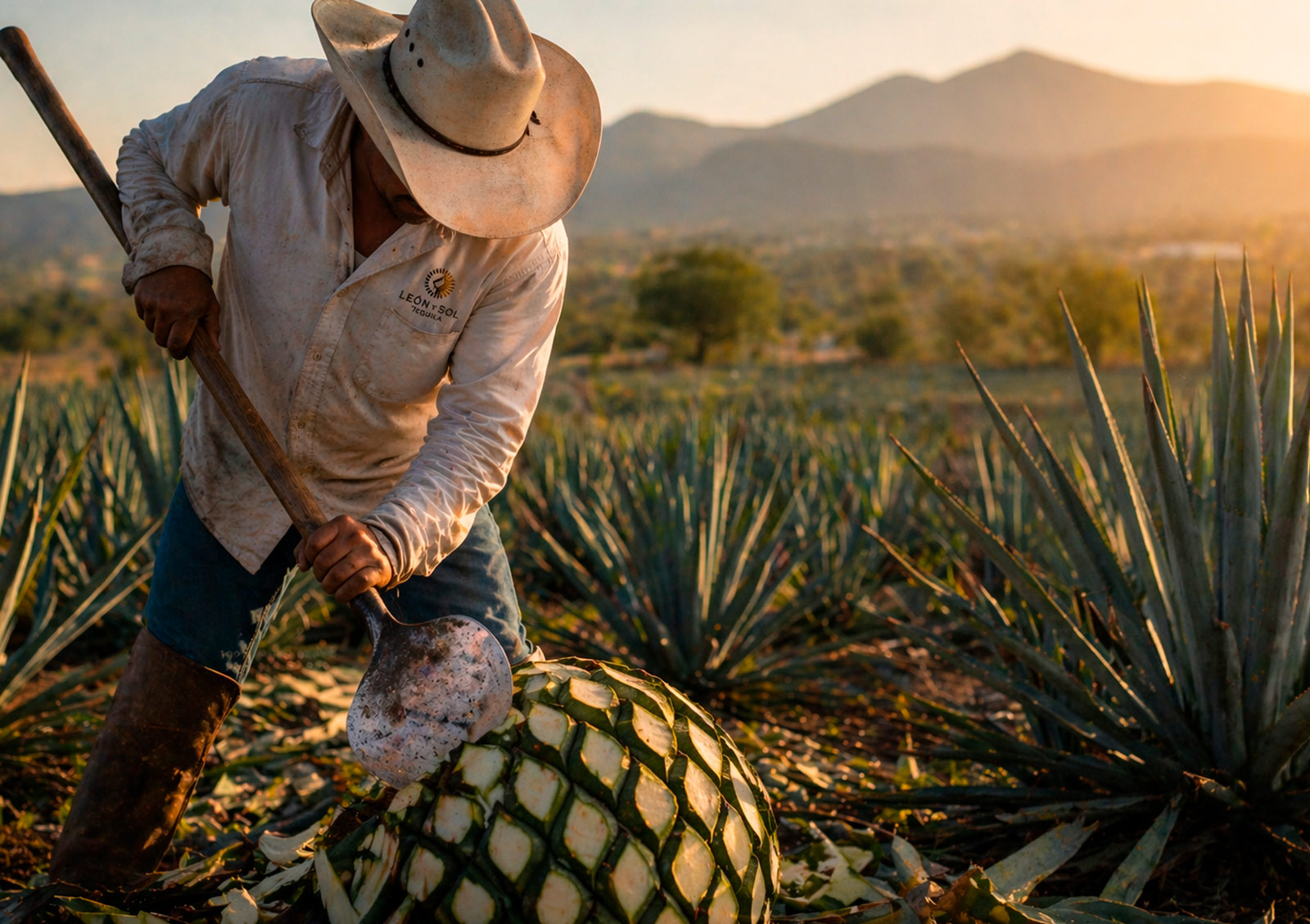
Jimadores harvest agave using a specialized tool called a coa, which looks like something you’d carry into battle rather than into a field. It’s a circular blade attached to a long wooden handle, sharp enough to slice through thick agave leaves in one clean swing. The blade weighs several pounds and requires serious skill to wield without losing fingers.
Master jimadores can strip an agave plant down to its core in under five minutes using nothing but the coa and decades of muscle memory. They pass the technique down through generations because you can’t learn this from a manual or YouTube tutorial.
Tequila officially became the second-best-selling spirit category in the US, beating out whiskey for the first time in history. Vodka still holds the top spot, but tequila’s growth shows no signs of slowing down. Sales hit over $6 billion in recent years while whiskey stayed flat or declined.
This happened because people finally figured out that quality tequila deserves better than shots with lime. Premium and super-premium categories are driving the growth. Younger drinkers especially are choosing aged tequilas and craft cocktails over the cheap stuff their parents drank in college.
That $150 bottle of extra añejo sitting on the top shelf started its life as clear blanco tequila just like the $30 bottle underneath it. The difference is time spent in oak barrels. Blanco gets bottled immediately after distillation or rests for up to 60 days. Reposado ages two to twelve months. Añejo gets aged for one to three years. All types of tequila are classified by how long they spend in oak.
The barrel doesn’t create tequila, though. It just adds color, smoothness, and flavors like vanilla and caramel. Every expensive aged expression began as the same clear spirit that goes into margaritas and shots. Time and oak turn it into something worth sipping neat.
Knowing tequila facts makes you interesting only if you share them naturally instead of lecturing everyone at the table. Nobody likes the person who interrupts margaritas to explain NOM numbers. Drop knowledge when it’s relevant and stay quiet when it’s not.
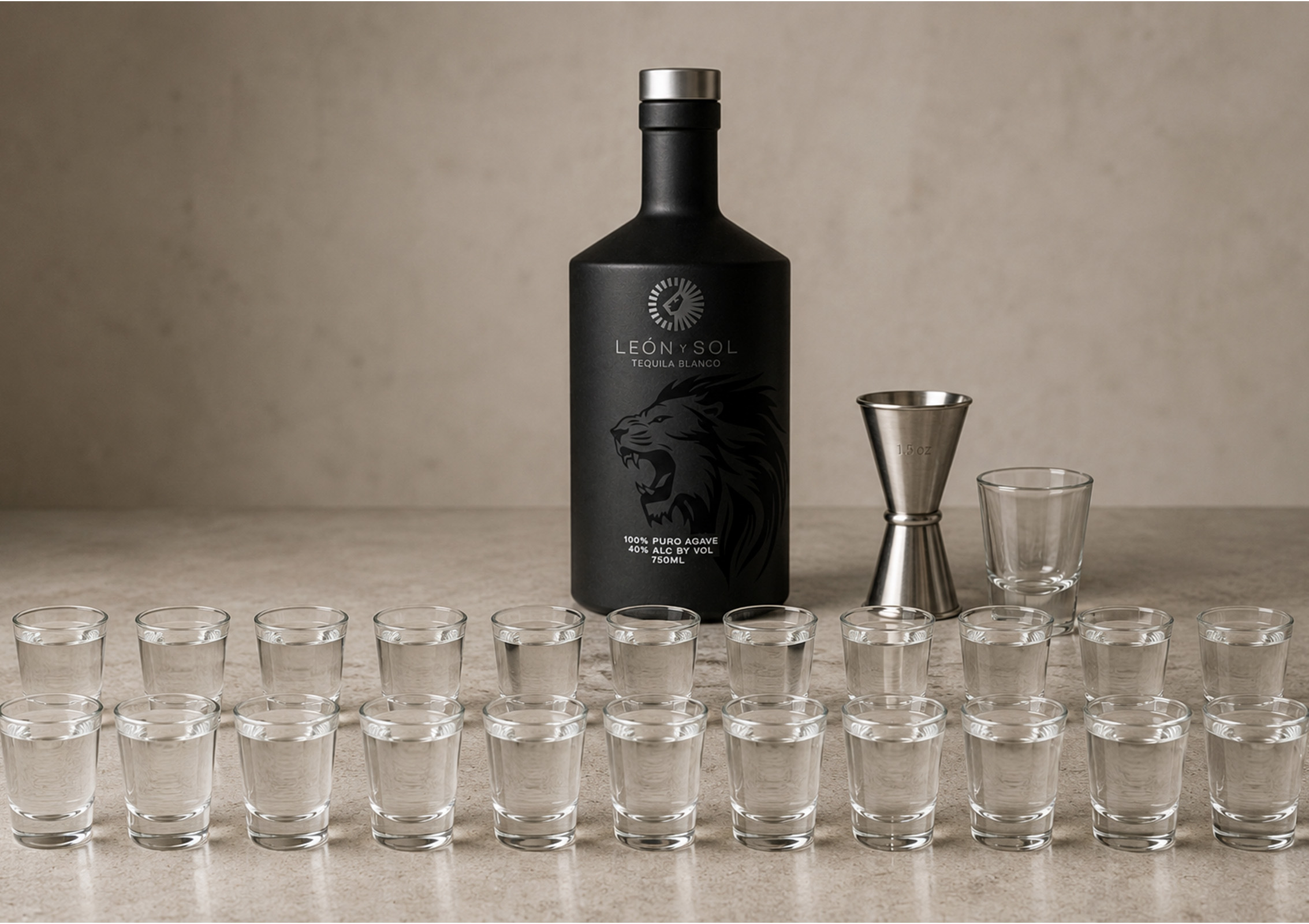
The best way to learn tequila is by drinking quality bottles and paying attention. León Y Sol comes from Los Altos highlands where volcanic soil creates agave worth knowing about. Stock your bar with tequila that gives you something real to talk about.