Ranch water is tequila, fresh lime, and Topo Chico. That's it. Here's the origin story, the definitive recipe, calorie count, best tequila to use, and six variations.
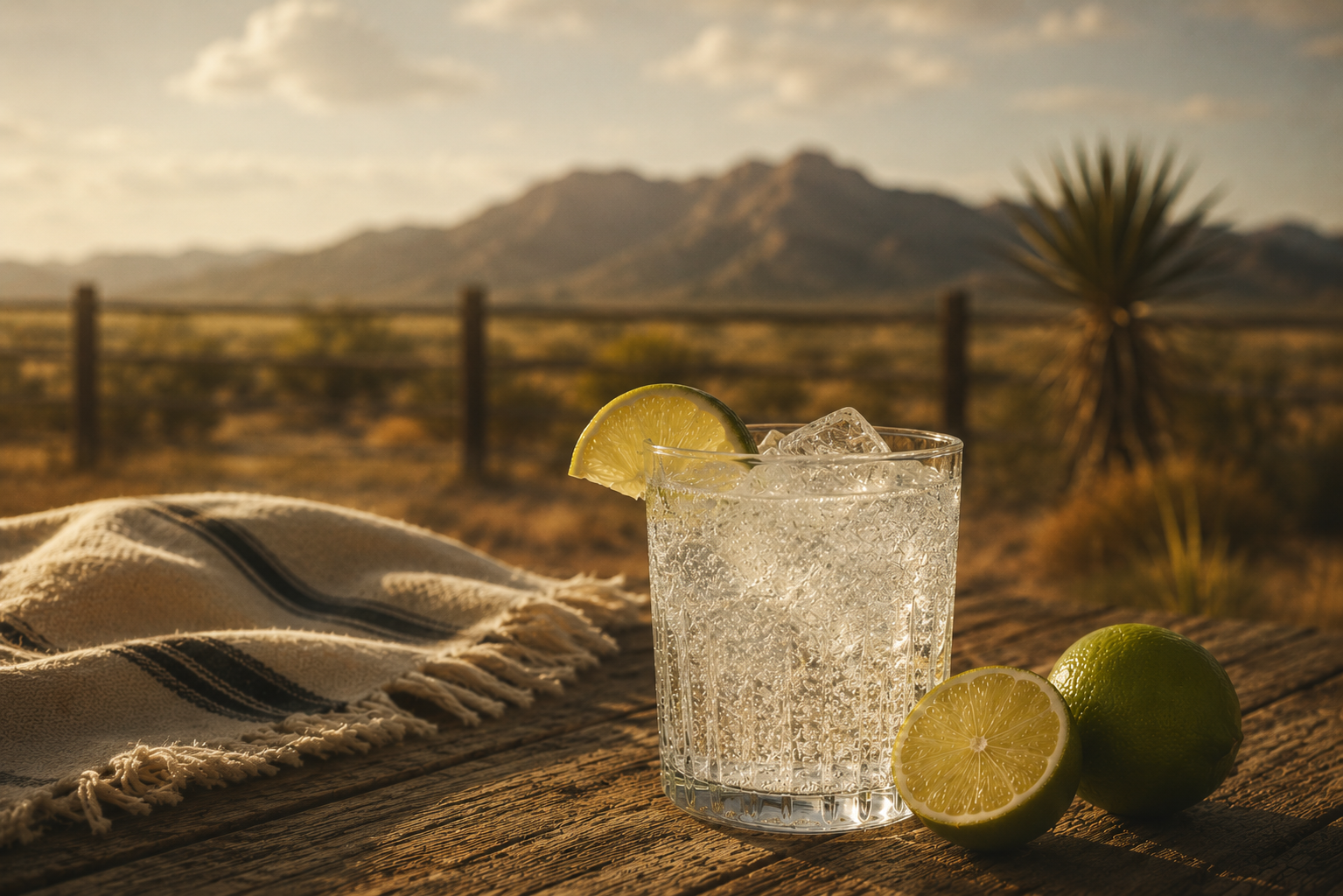
Three ingredients. No sweetener, no triple sec, no pre-made mix. Just blanco tequila, fresh lime juice, and Topo Chico over ice. Ranch water is the cocktail that makes you wonder why you ever made anything more complicated.
It started in West Texas, where ranch heads figured out that tequila, lime, and a cold Topo Chico was all anyone needed after a long day in the sun. Decades later, the rest of America caught up and ranch water went from a regional staple to one of the fastest-growing cocktails in the country.
This guide covers everything worth knowing. What ranch water is, where it came from, why it’s called that, the definitive recipe, the best tequila to use, and so much more.
Ranch water is a three-ingredient cocktail made with blanco tequila, fresh lime juice, and Topo Chico sparkling water. No sweetener, no triple sec, no pre-made mix. Just tequila and lime lengthened with mineral water over ice. The simplicity is the entire point.
What started as a West Texas staple has become one of the fastest-growing cocktails in the country. Ranch water now appears on 1.4% of US restaurant menus, which sounds low but it’s a 6,796% increase in just four years. Yes, that’s a six thousand, seven hundred and ninety-six percent increase. The drunk went from something you’d only find at bars in West Texas to something you could find in LA or Manhattan, and it did it without changing a single ingredient.
Though the suspiciously small ingredient list might raise some flags, you’ll see why it’s so appealing once you taste one. It’s cold, it’s fizzy, it’s tart, and it’s light in a way that most cocktails can’t claim. There’s nothing hiding behind sweetness or complexity. The tequila is front and center, which means the quality of what you pour matters more here than in almost any other cocktail.
The romantic origin story goes like this: somewhere in West Texas in the 1960s, a rancher finished a long day in the heat, grabbed a bottle of Topo Chico, added a shot of tequila and a squeeze of lime, and accidentally invented one of the great American cocktails. Nobody wrote it down, because it was so easy to make that nobody needed to.
The more documented version points to Ranch 616 in Austin, where the late chef-owner Kevin Williamson put ranch water on his opening menu in 1998 and liked his claim to the name enough to apply for a trademark. From there, the White Buffalo Bar at the Gage hotel in Marathon, TX brought it to a wider audience when it hit their menu in 2010. Both stories feel true to the spirit of the drink.
What happened next turned a regional staple into a national phenomenon. Canned versions started appearing on the shelves. Chain restaurants added it to their menus. The drink crossed state lines and didn’t lose anything in translation. The ranch water market is now $118.2 million and is projected to nearly double by 2031. All that thanks to it being a low-calorie, high-honesty drink.
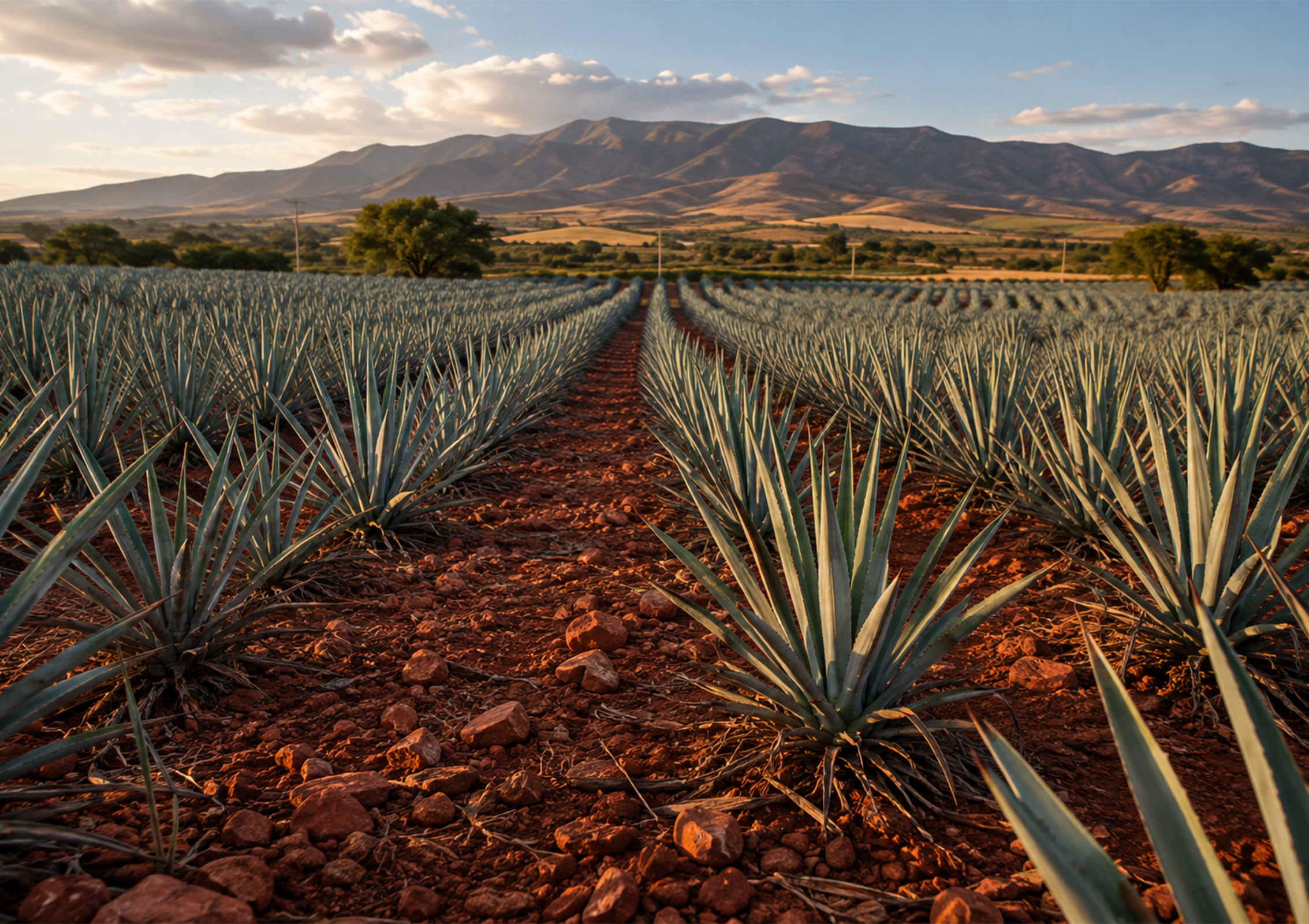
The name comes from the West Texas ranching culture where the drink was born. It doesn’t have anything to do with the salad dressing. Cowboys and ranch hands in the heart of the Chihuahuan Desert wanted something cold and simple after a long day in the sun. The drink was as practical as the people who made it, and it got named for the land and the life that produced it.
Three ingredients. No shortcuts, no substitutions, and no room to hide if one of them isn’t good. This is what goes into a proper ranch water:
Blanco is the only call here. unaged, clean, pure agave character that holds the whole drink together without fighting the lime or the mineral water. Reposado and añejo bring oak influence that muddies the simplicity ranch water banks on. Blanco keeps everything bright and forward.
Always use 100% agave too. In a drink this stripped down, the tequila is the drink. A mixto with additives and mystery sugars will make a worse ranch water every single time, and there’s nowhere to hide behind sweetness or complexity.
Topo Chico is from Monterrey, Mexico, which makes it a natural partner for tequila in ways that go beyond flavor. The carbonation is more aggressive than most sparkling waters, the mineral character adds depth that plain club soda can’t match, and the bubbles hold up longer in the glass. Substitute if you have to, but Topo Chico is the ingredient that makes a ranch water a ranch water.
One lime, squeezed fresh, right before you make the drink. Bottled lime juice is flat, slightly bitter, and immediately detectable in something this simple. The fresh lime ties the tequila and the mineral water together. Without it doing its job properly, the whole thing falls apart.
The whole point of ranch water is that ti takes about sixty seconds to make and tastes like you put more thought into it than that. Don’t overcomplicate it. The only real technique is adding the Topo Chico last and stirring once, gently, so you don’t kill the carbonation before the first sip.
León Y Sol blanco is the right tequila here. The highland agave brings natural citrus notes that amplify the lime without competing with it, and the clean agave character is exactly what a three-ingredient drink needs front and center.
Ingredients:
Instructions:
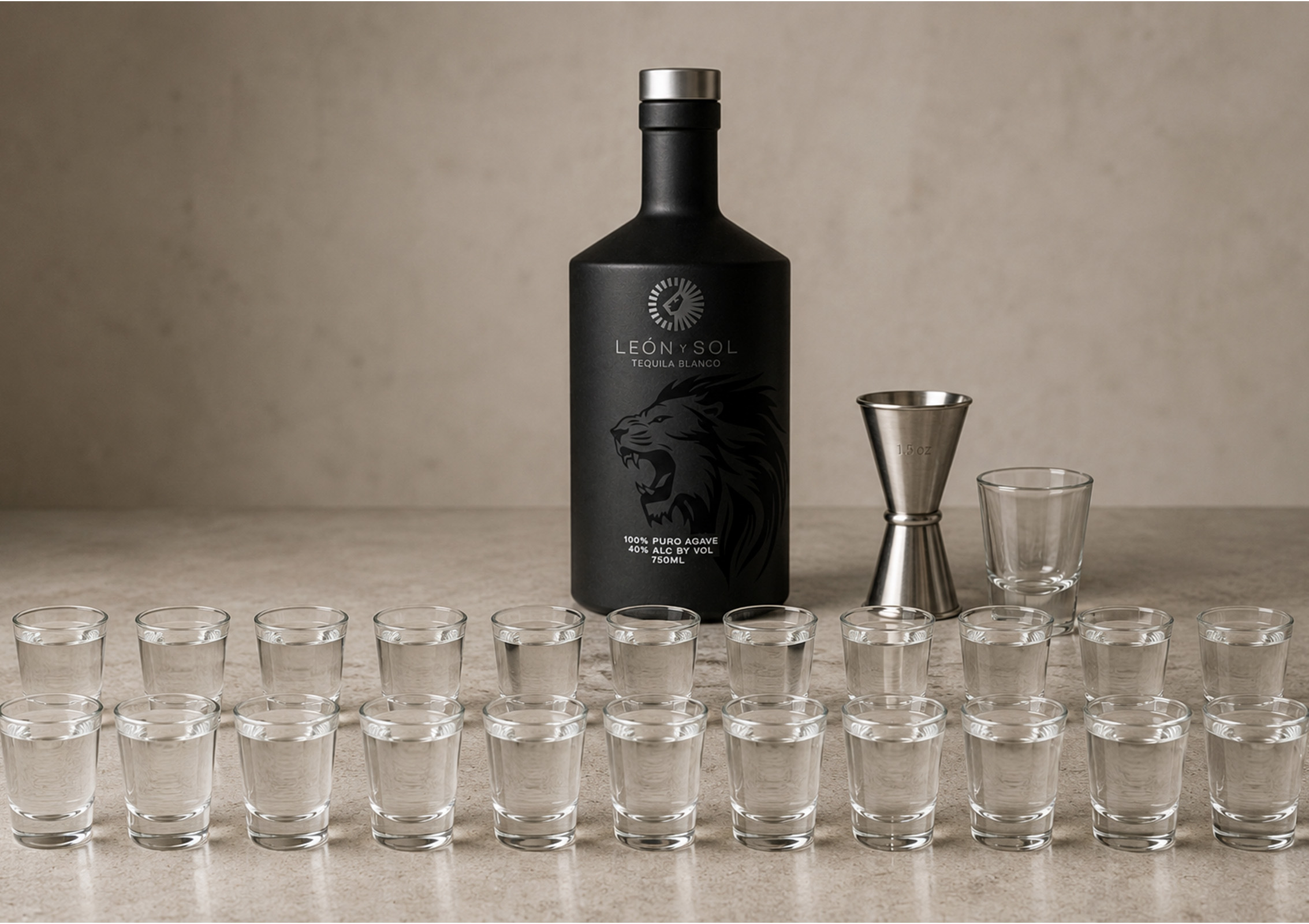
A ranch water comes in at roughly 105 calories, which makes it one of the lightest cocktails you can order. The tequila accounts for almost all of it at 97 calories per 1.5 oz shot, fresh lime juice adds about 8 calories, and Topo Chico contributes exactly zero. No sweetener, no triple sec, nothing adding to the count.
Here’s how that compares to other popular tequila drinks:
Nearly a third of drinkers now prioritize quality over quantity, and ranch water fits that mindset better than almost any cocktail on a bar menu. One clean, low-calorie drink where the tequila matters is a better outcome than three forgettable ones that add up to 600 calories before midnight.
From the outside, ranch water and a tequila soda look identical. Tequila, sparkling water, lime, done. The differences are real, though, and they matter to anyone who’s had both.
The first difference is Topo Chico. Club soda is neutral and functional, but Topo Chico brings aggressive carbonation and a distinct mineral character that interacts with the lime and agave in a way plan sparkling water simply doesn’t. Swap it out and you have a fine drink. Keep it and you have a ranch water.
These are the biggest differences between ranch water and a tequila soda:
The classic ranch water doesn’t need improving. But if you’ve made it enough times and want to take it somewhere slightly different, these four variations stay true to the drink’s spirit without overcomplicating what’s great:
In a three-ingredient drink, the tequila is doing most of the work. There’s no sweetener to smooth over rough edges, no triple sec adding complexity, nothing to hide behind if the base spirit isn’t good. The quality of what you pour shows up immediately in the glass.
Nearly half of American cocktail drinkers now prefer tequila as their base spirit. Ranch water is the purest expression of that preference. Nothing between you and the agave except lime and bubbles.
Blanco is the only call. The clean, unaged agave character is what ranch water is build around, and oak influence from reposado or añejo pushes the drink somewhere it doesn’t need to go. Bright, citrusy, forward-tasting blanco is the foundation the drink was designed for.
Always 100% agave. Mixto tequila, with its added sugars and potential additives, makes a noticeably worse ranch water. In something this simple, the difference between 100% agave and mixto is the difference between a drink worth making and one worth forgetting.
León Y Sol blanco is the right bottle for this. Highland agave from Los Altos de Jalisco brings natural citrus and floral notes that amplify the lime without fighting it. The clean, additive-free production means nothing in the glass except what belongs there. Pour it over ice with fresh lime and Topo Chico and the tequila does exactly what ranch water needs it to do.
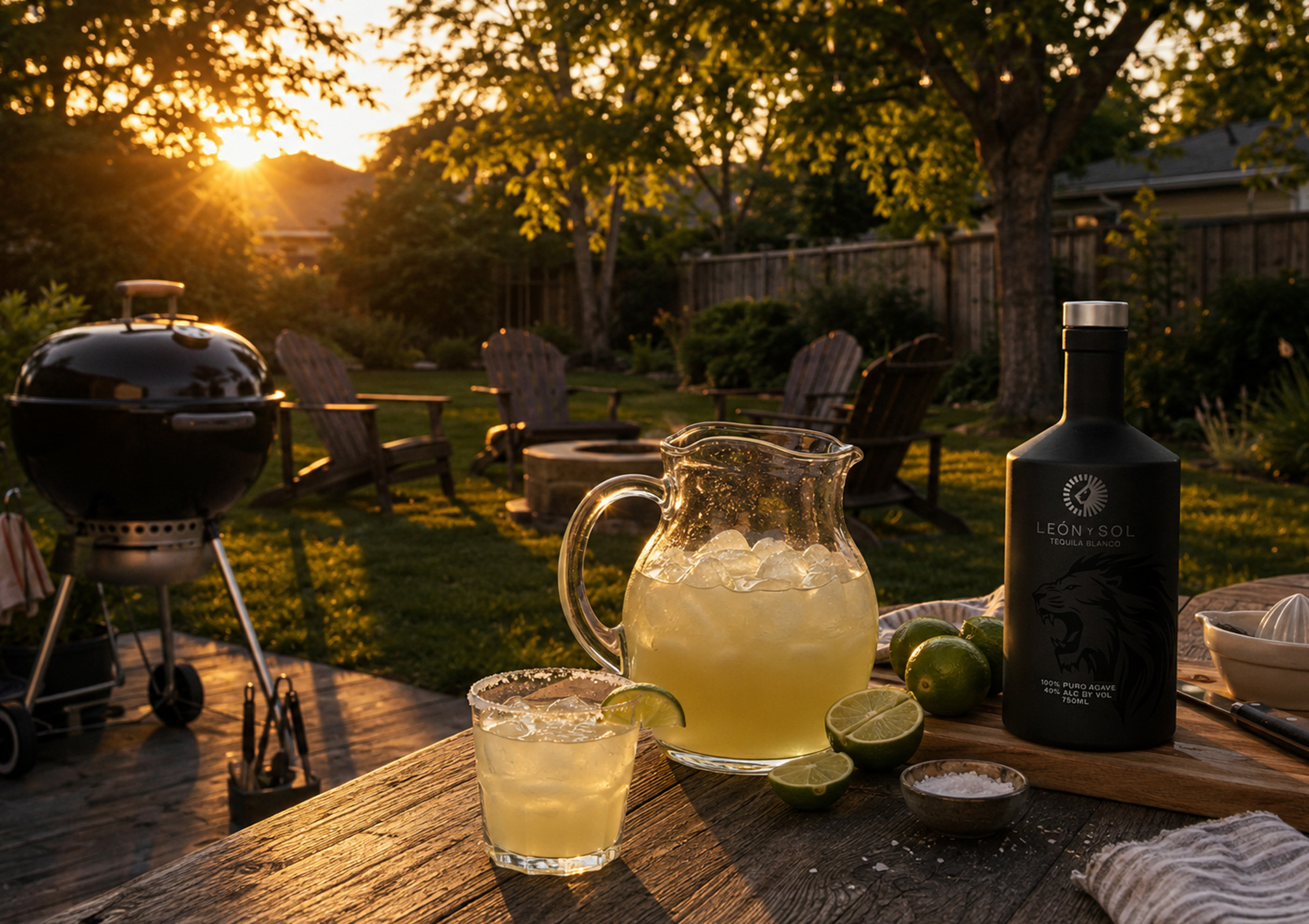
Ranch water works because it trusts its ingredients. Three things in a glass, nothing extra, nothing to hide behind. That simplicity is what turned a West Texas ranching tradition into one of the fastest-growing cocktails in the country, and it’s why the drink tastes just as good at a backyard cookout as it does at a proper bar.
The only decision that actually matters is the tequila. Everything else in the glass has one job and does it automatically. The tequila is where the drink lives or dies.
León Y Sol blanco is built for exactly this. Highland agave from Los Altos de Jalisco, no additives, nothing added that shouldn’t be there. Pour two ounces over ice, squeeze a lime, top with Topo Chico, and find out what ranch water tastes like when the tequila is actually worth savoring.
No. A skinny margarita still uses triple sec and agave syrup, just in smaller amounts than a classic margarita. Ranch water has no sweetener at all. It’s tequila, lime, and sparkling water with nothing else added. The calorie counts are similar but the flavor profiles are completely different. Ranch water is drier, lighter, and more mineral-forward than any margarita variation.
You can, but blanco is the right call. Reposado’s oak aging adds vanilla and caramel notes that push the drink away from the clean, bright simplicity ranch water is built on. Blanco keeps everything forward and fresh. If you only have reposado and want to make it work, use a slightly aged expression and squeeze an extra bit of lime to keep the brightness up.
Any quality sparkling mineral water works as a substitute, with Topo Chico being the original and best choice. Topo Chico's aggressive carbonation and mineral character are harder to replicate than most people expect. Club soda is the most neutral option. Pellegrino or Perrier both bring mineral depth that gets close to the real thing. Avoid flavored sparkling waters since they compete with the lime and tequila.
Yes, when made with 100% agave tequila. Pure blanco tequila is made entirely from blue Weber agave with no grain involved at any stage of production, making it naturally gluten-free. Topo Chico and fresh lime juice are both gluten-free as well. Just make sure your tequila says 100% agave on the label since mixto tequila can introduce other ingredients into the equation.