Tequila has never had a worm. The worm belongs to mezcal, and even there it's a 1950s marketing invention. Here's what's actually going on.
The tequila worm is one of the most persistent myths in drinking culture. Almost everyone has heard about it. Almost no one has seen one in a tequila bottle, which makes sense, because it has never been there.
Tequila doesn’t have a worm. It never did. What does sometimes have a worm is mezcal, and even then it’s mostly a marketing gimmick from the 1950s that has more to do with American bar mythology than Mexican tradition. The creature itself is a moth larva that won’t get you high, and the whole story is less dramatic than it sounds.
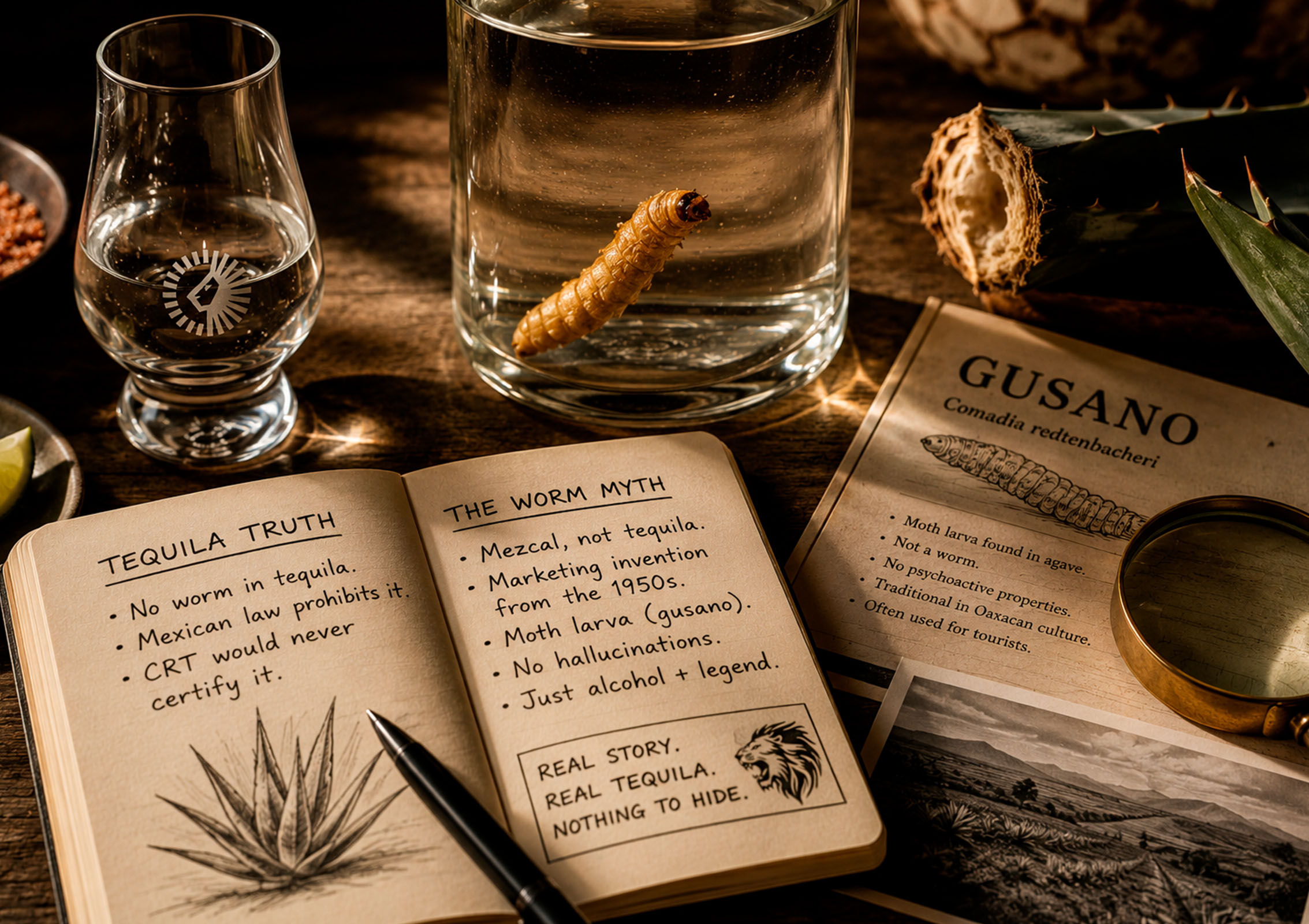
No. Tequila has never had a worm and never will. Mexican law prohibits it, the Tequila Regulatory Council (CRT) would never certify a bottle that contained one, and any producer who tried would lose their tequila designation immediately. The worm belongs to mezcal, and even there it only shows up in a small minority of bottles, mostly the ones targeting tourists who’ve heard the legend and want proof.
That’s why the confusion is understandable Tequila and mezcal both come from agave, both come from Mexico, and for decades most Americans couldn’t tell them apart. The worm got tangled up in the tequila myth somewhere along the way and never fully untangled itself, even as the two spirits carved out completely separate identities in the US market.
So if you’ve been turning tequila bottles upside down looking for something at the bottom, you can stop. There’s nothing there. There never was.
First, it’s not a worm. Calling it a worm is the first of several inaccuracies that have followed this thing around for seventy years. The creature at the bottom of certain mezcal bottles is a moth larva, specifically one of two species that spend their lives eating agave plants before someone decided they belonged in a bottle of spirits.
The red variety, known as gusano rojo, is the larva of the Comadia redtenbacheri moth. The white variety, gusano de maguey, comes from the Aegiale hesperiaris moth. Both feed on the agave plant. Both end up in mezcal when a producer chooses to include them. The correct term for both is gusano, which is Spanish for worm. That’s where the mistranslation started and never really recovered.
What most Americans don’t know is that the gusano isn’t just a marketing prop. In Oaxaca, where most of the world’s mezcal comes from, gusanos are a real culinary tradition. They’re toasted and eaten as a snack, ground into sal de gusano (worm salt) for rimming mezcal glasses, and considered a regional delicacy. The bottle is where the tradition got exported. The cultural context mostly stayed behind.
The worm in the tequila bottle myth is nothing more than a remarkably successful marketing invention. The story most commonly told credits Jacobo Lozano Páez, a mezcal producer in the 1950s who added a gusano to his bottles to differentiate his product from competitors and create an air of mystery around mezcal at a time when the spirit was struggling for attention. Whether or not he was truly the first, the idea spread quickly and the legend followed.
The legend was particularly powerful in the United States, where the worm became a shorthand for something dangerous and exotic. Spring break mythology turned it into a dare. Bar culture turned it into a ritual. And somewhere along the way, the story acquired a detail that had no basis in reality.
The worm’s legend in the US grew into something considerably more dramatic than a moth larva in a bottle. By the time it reached American bar culture, the gusano had acquired a reputation for being somehow mind-altering, a rumor that turned eating it into a dare and drinking to the bottom of the bottle into a feat worth attempting.
None of it is true. The gusano has zero psychoactive properties. It’s a moth larva that has been sitting in alcohol and what you’re consuming when you eat it is protein, mezcal, and the satisfaction of having done something most people won’t.
The myth almost certainly crossed over from the cultural association between mezcal and peyote, a naturally occurring psychedelic cactus used in certain indigenous spiritual traditions in southern Mexico. Peyote does have real hallucinogenic properties and a long history in the region. The worm has none. The two got conflated somewhere in the cultural translation. The worm inherited the mystique and the story became too good to correct. If you hallucinate after eating the worm, it’s because you drank the entire bottle to get to it.
Tequila is one of the most tightly regulated spirits in the world. Mexican law under NOM-006 defines exactly what can go into a bottle of tequila and a moth larva doesn’t come close to making the list. The CRT tests every batch before it can be bottled and sold. Adding a gusano would end a producer’s tequila certification immediately. The regulation that makes tequila trustworthy is the same regulation that keeps the worm out.
Mezcal operates under different rules, and the gusano has been part of certain regional traditions in Oaxaca long enough to carry some cultural legitimacy. But walk into any serious mezcal bar and you won’t find a worm in sight. The producers worth drinking have figured out that a moth larva at the bottom of the bottle is a made-up story for tourists. Plus, their mezcal doesn’t need that story to be worth buying anyway.
Seeing a worm in a mezcal bottle does tell you something useful, though. It tells you the producer is selling a legend rather than a spirit. The best mezcal and tequila both earn attention through what’s in the bottle before you get anywhere near the bottom of it.
The gusano at the bottom of a mezcal bottle is a moth larva preserved in alcohol. Eating it won’t hurt you, won’t get you high, and won’t make for a better story than the anticipation already provides The drama lives in the legend, not in what happens when you swallow it. Eating the worm just means you ate a worm soaked in alcohol.
In Oaxaca, nobody’s doing this on a dare. Toasted gusanos are a real regional delicacy, ground into sal de gusano and served with mezcal the way you’d serve a good cheese with wine. The gusano then got exported to American bar culture and lost everything that made it interesting along the way.
Eat it if you want to. Skip it if you don’t. Just know what you’re actually eating before you decide.
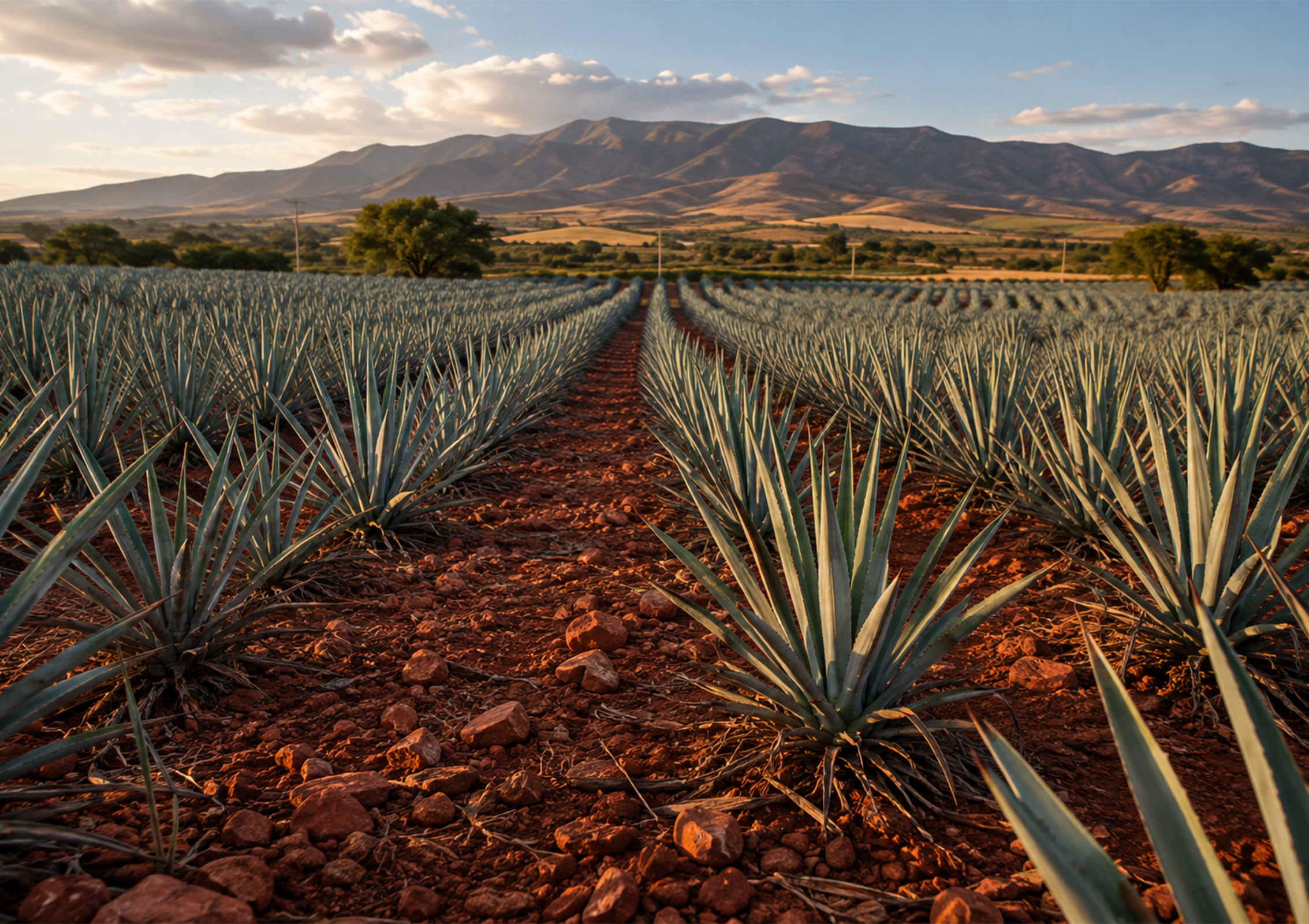
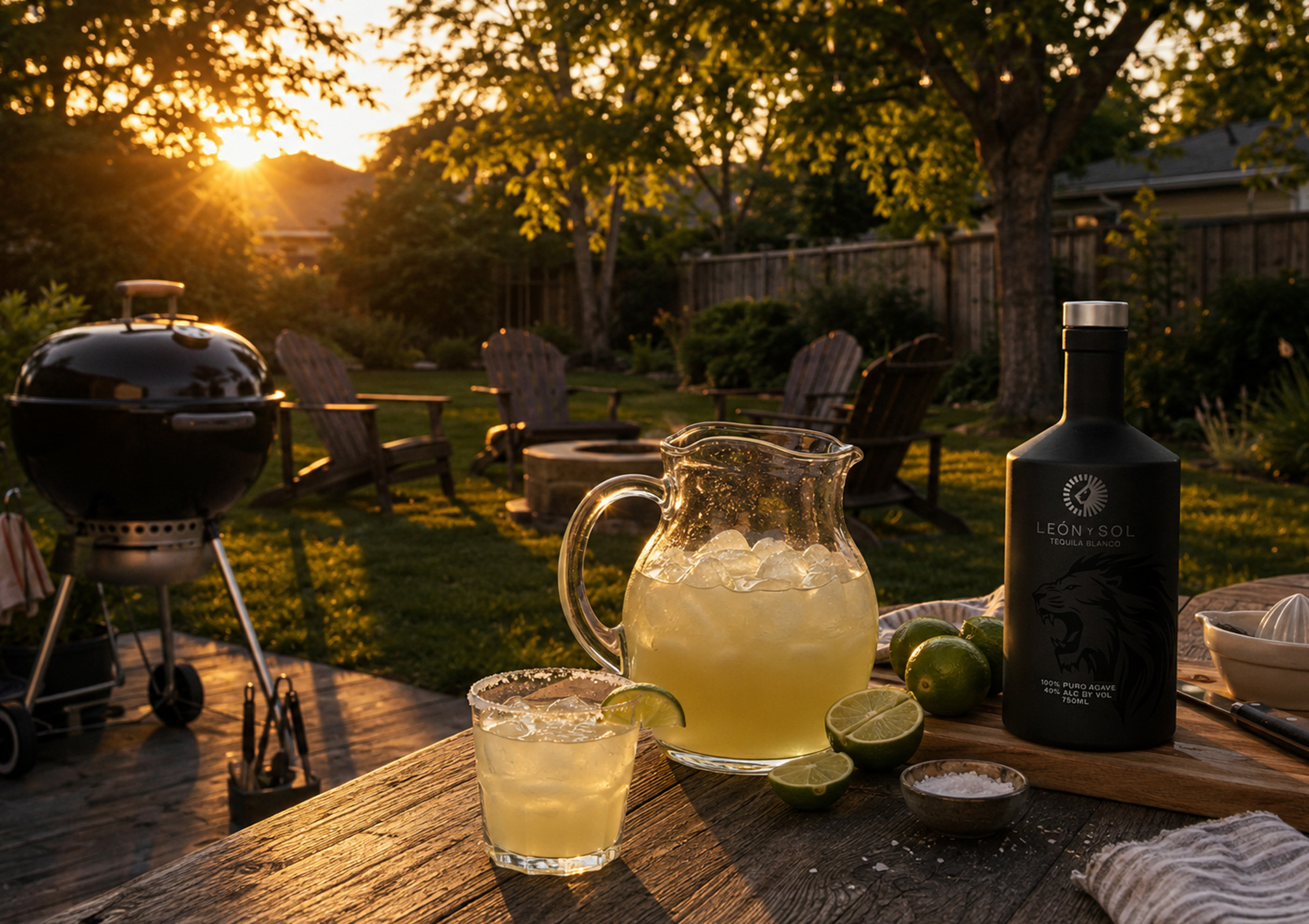
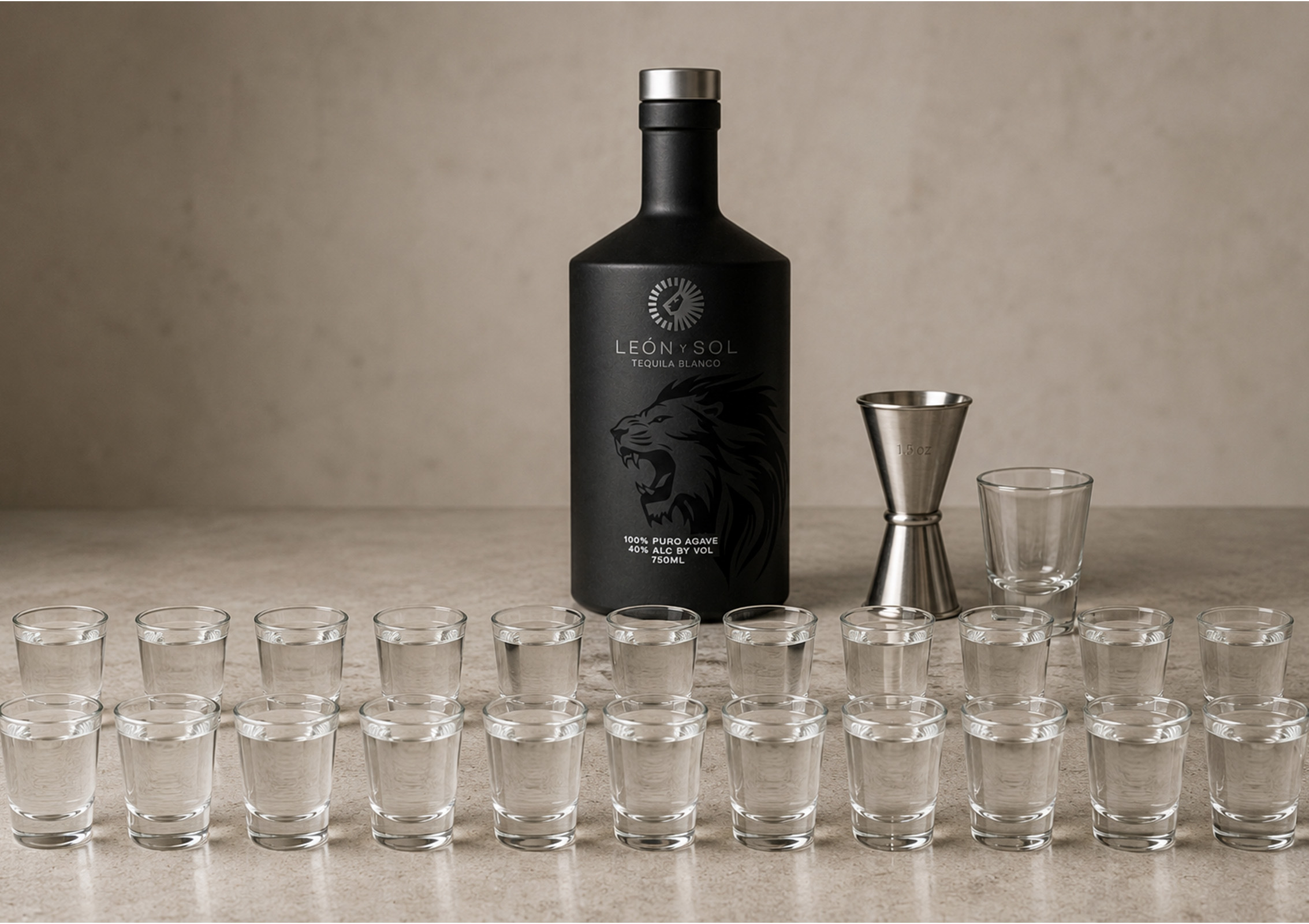
No gusano, no legend, no marketing stunts designed to make you forget what’s actually in the bottle. León Y Sol blanco and reposado are 100% blue Weber agave from Los Altos de Jalisco. No additives, nothing added that shouldn’t be there. The bottle speaks for itself before you get anywhere near the bottom of it.
Tequila never had a worm. The worm belongs to mezcal, and even there it belongs more to a 1950s marketing campaign than to any meaningful tradition. The legend spread, the myth grew, and somewhere along the way a moth larva became one of the most recognizable images in the spirits world without ever having anything to do with the spirit most people associate it with.
What really matters is what’s in the bottle before you get to the bottom of it. Good tequila, made properly from 100% blue Weber agave with nothing to hide, doesn’t need a story. It just needs a glass.