Learn what reposado tequila means, its aging requirements, flavor profile, and how to choose the best bottle for sipping or cocktails.
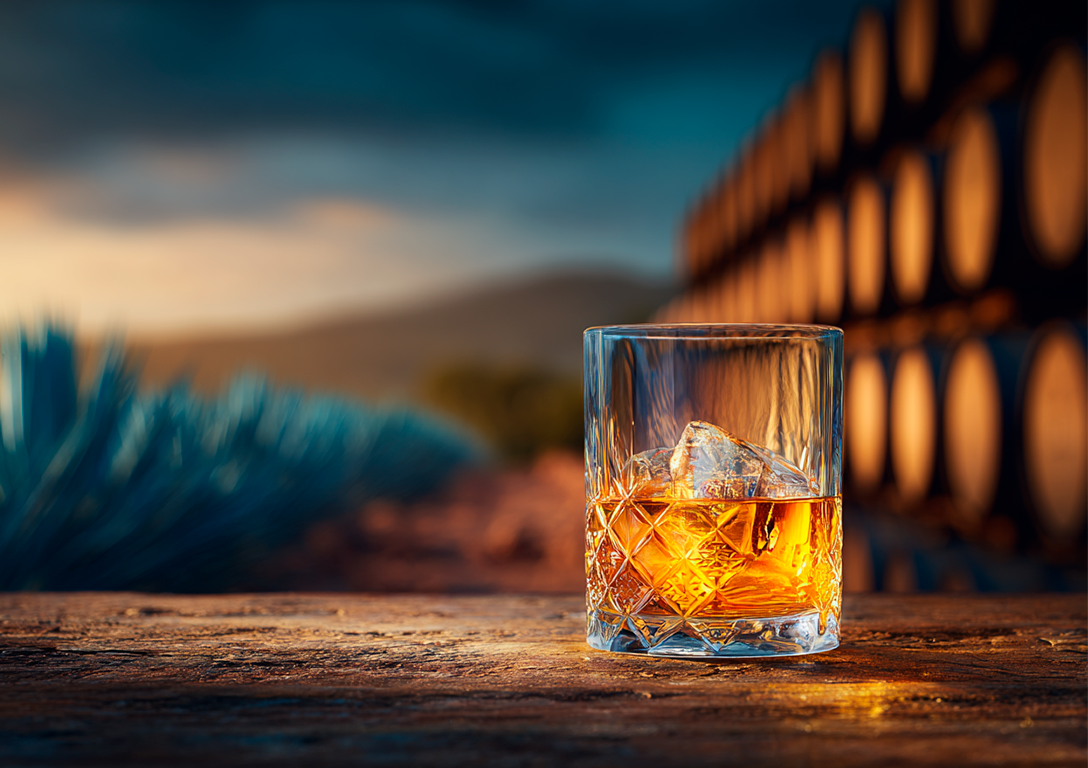
Your friend hands you a glass of something golden and tells you it’s reposado. You nod like you know what that means, but you don’t. All you know is it looks prettier than the clear stuff and tastes a bit smoother. The bartender said something about barrels, maybe oak, but you were already three drinks in, nodding along and enjoying this delicious variation of tequila.
Reposado is tequila aged in oak barrels for 2 to 12 months, which gives it that golden color and smooth flavor sitting between bright blanco and heavy añejo. This guide covers everything you need to know about reposado tequila. How aging works, what you’re actually tasting, the right way to drink it, and why reposado costs more than blanco but packs a way bigger punch.
Reposado is tequila aged in oak barrels for 2 to 12 months, creating a golden spirit that balances fresh agave character with smooth oak complexity. The name comes from the Spanish word for “rested,” which perfectly describes what happens during those months in wood. Reposado sits right between unaged blanco and heavily oaked añejo, giving you the best of both worlds. Bright enough to taste the agave, smooth enough to sip without wincing.
Those months in the oak barrels change everything about the tequila. Clear blanco goes into the barrel and emerges with a pale gold to amber hue, depending on how long it rested and what type of wood held it. The spirit pulls vanilla, caramel, and subtle spice notes from the charred oak while the barrel’s micro-oxygenation softens any harsh edges. You still taste the agave, but now it’s wrapped in warmth and complexity that blanco can’t match.
Reposado has become the fastest-growing segment of an already exploding category. Tequila and mezcal sales jumped 8% in 2023 while the broader spirits market barely moved. Reposado specifically is projected to grow over 9% annually through 2030, driven by drinkers aged 25 to 34 who want something more sophisticated than shots but more versatile than añejo. It works neat, on the rocks, or in cocktails.
León y Sol’s reposado shows exactly why this category is winning. Four months in American and French oak creates coffee and caramel notes that work whether you’re sipping solo or shaking up margaritas.
Reposado must age in direct contact with oak or holm oak wood for at least two months but no more than 12 months, according to Mexico’s Official Standard NOM-006-SCFI-2012. Age it any less and you’ve got blanco. Age it any longer and it crosses into añejo territory, where the rules say minimum one year in barrel. This is how the types of tequila compare:
That 2-to-12-month window exists for a reason. It’s the sweet spot where oak influence enhances the tequila without burying the agave. Go shorter and you’ll barely taste any wood. Go longer and the oak starts running the show. Reposado lets both characters shine together, which is why it’s become the go-to for people who want complexity without losing that agave soul. For a deeper breakdown of how aging changes everything, check out our complete guide to reposado vs. añejo tequila.
Every reposado starts life as blanco tequila. The barrel aging is what turns it into something different, but everything that happens before the wood matters just as much. This is how reposado tequila is made from start to finish:
The barrel makes the reposado. Mexican law says oak or holm oak, but that’s where the rules stop and the creativity starts. American oak, French oak, new barrels, used barrels, even barrels that held whiskey or wine before. Each one takes the flavor somewhere different:
León y Sol splits four months between American and French oak. Vanilla and caramel from one, spice and structure from the other. Together they create something neither barrel pulls off alone.
Reposado lives at the intersection of agave purity and oak complexity. You get bright agave character that blanco delivers plus the smoothness and depth that barrel aging creates. Neither element dominates, they instead play together. Here’s what to expect when you pour a glass:
Reposado’s versatility is its superpower. This isn’t a one-trick tequila that only works neat or only works in cocktails. It handles both and everything in between. Here’s how to get the most out of your bottle of reposado tequila:
Pour reposado into a rocks glass or snifter and let it sit at room temperature for a minute. You’ll catch more aromatics when the tequila isn’t ice cold. If you prefer it chilled, drop in one large ice cube. The slower melt opens up flavors without diluting too fast.
At León y Sol, we recommend a tall glass with a small piece of ice to let the spirit breathe while keeping it cool. Skip the salt and lime. Quality reposado doesn’t need training wheels. That ritual belongs to cheap blanco shots, not something you actually want to taste. Nearly a third of alcohol consumers now prefer quality over quantity, and reposado rewards that approach.
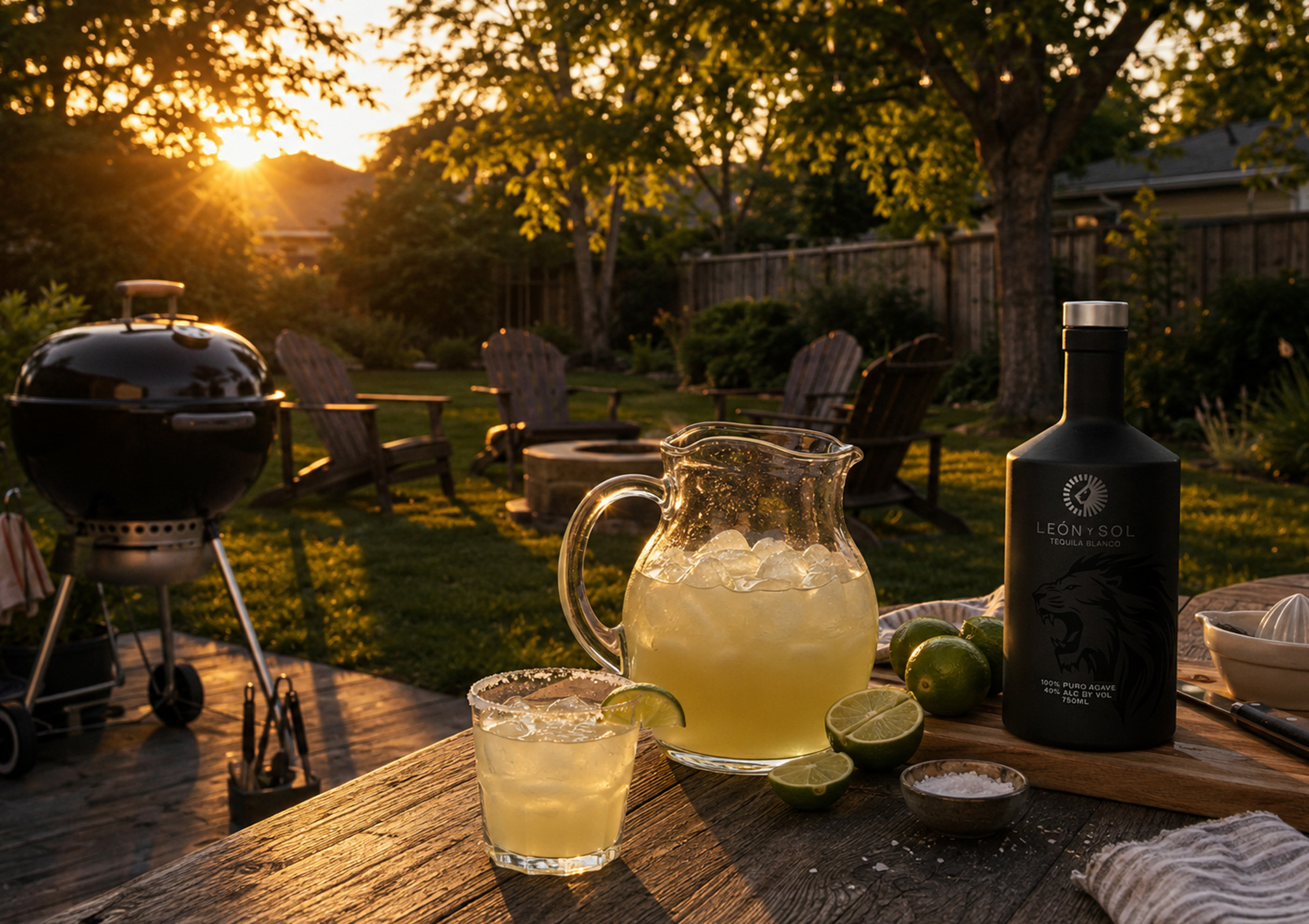
Reposado’s oak notes elevate classic cocktails that blanco just can’t match. That extra complexity makes classic tequila cocktails feel upgraded:
Reposado handles bold flavors without backing down. Grilled meats and charred vegetables match the oak influence. Mexican cuisine creates obvious harmony, but aged cheeses like manchego or aged gouda complement the caramel and vanilla notes.
Dark chocolate works surprisingly well, especially with León y Sol’s coffee and cappuccino character from the barrel program. Desserts in general are much more interesting with reposado along them. The subtle sweetness bridges the gap between a savory dinner and a sweet finish.
Reposado takes up the middle ground in tequila’s aging spectrum. Not as raw as blanco, not as oak-heavy as añejo. That positioning makes it the most versatile category, which explains why it’s driving growth in a premium tequila market worth $4.45 billion in 2024. Here’s how reposado stacks up against the competition:
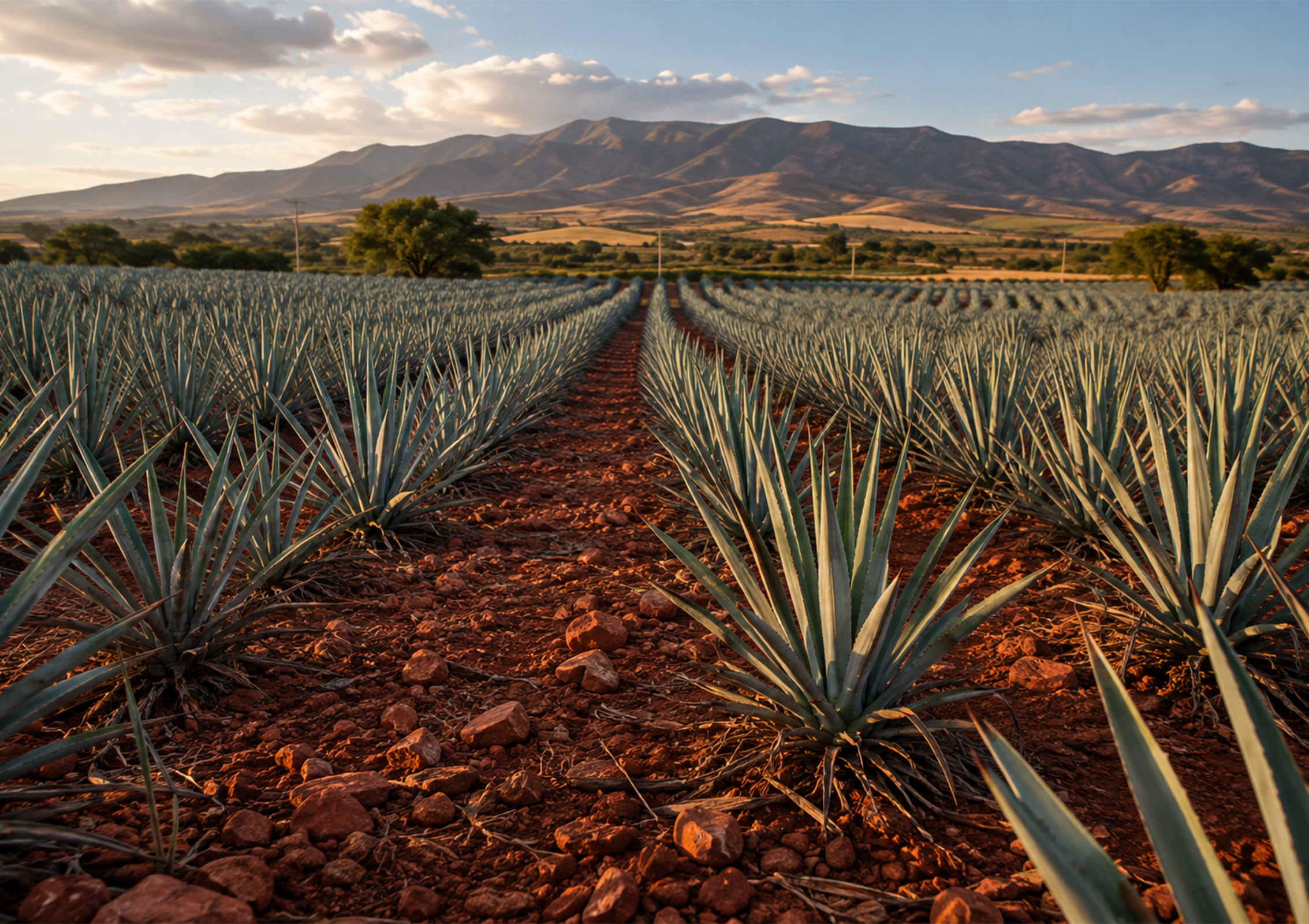
We source 100% blue Weber agave exclusively from Los Altos de Jalisco. The highlands punish those plants with freezing nights and scorching days, forcing them to produce extra sugars just to survive. That stress shows up as natural sweetness in your glass.
Our barrel program splits four months between American and French oak. American oak delivers the vanilla and caramel that make reposado feel like reposado. French oak layers in spice and tannin that keeps things interesting. Four months is the sweet spot. Long enough for the wood to do real work, short enough that the highland agave doesn’t disappear behind oak. With 75% of millennials prioritizing sustainability when buying alcohol, we’re committed to responsible production that respects both tradition and environment.
Reposado does it all. Sip it neat, shake it into cocktails, pour it over ice on a Tuesday night when you want something better than beer. Oak aging smooths out the rough edges and adds vanilla and caramel without burying the agave. That balance is why reposado is taking over.
Grab a bottle of León y Sol and see what Los Altos highlands and four months in oak actually taste like. Coffee notes, cappuccino vibes, agave that doesn’t disappear behind the wood. Old but gold. This is what reposado should be.