Triple sec is generic orange liqueur. Cointreau is premium with 40% ABV and specific production standards. Learn when each belongs in your margarita

You can’t make a proper margarita without orange liqueur. Tequila and triple sec are partners in crime in the most popular cocktail in America, showing up together in everything from classic margaritas to Long Island Iced Teas. The relationship works because orange’s sweet-bitter profile balances tequila’s agave character and cuts through the lime acidity.
But not all orange liqueurs are created equal. Triple sec is the generic term for any orange-flavored liqueur, while Cointreau is a specific premium brand that follows a very specific production process. This guide breaks down what separates generic triple sec from Cointreau, how each one affects your margarita, when the upgrade is worth it, and when you can save your money.
Triple sec is a generic term for any orange-flavored liqueur. No specific recipe required. No quality standards to meet. No regulatory body enforcing its consistency. The name just means some company distilled orange peels with alcohol and called it triple sec.
That’s why you’ll find dozens of bottles with different quality levels all using the same name. The general production process for triple sec looks like this:
The “triple” supposedly refers to triple distillation, though not every brand actually distills three times. Some just steep the peels in alcohol and call it done. Without regulation, producers do whatever they want.
That’s why quality varies dramatically. Alcohol content ranges from 15% to 30% ABV depending on brand. Cheaper versions lean less sweet and more syrupy. Better brands deliver cleaner citrus with less sugar.
Despite zero quality standards, the category is huge. Global triple sec sales hit $1.28 billion in 2024 and are projected to reach $2.04 billion by 2033, growing over 5% per year. North America buys 38% of that total, more than any other region. People keep reaching for generic triple sec because it costs less than premium options and works well enough for casual cocktails.
Cointreau is a premium liqueur created in 1875 by Édouard Cointreau in France. He wanted something less sweet and more concentrated than the orange liqueurs already in the market. What he created became the standard that everything else gets measured against.
The production process separates Cointreau from generic triple sec. Sweet and bitter orange peels from Brazil, Spain and Africa get sourced for their exact flavor balance. Those peels get distilled in copper pot stills that Édouard Cointreau himself specified back in the 1800s. The copper preserves essential oils that give Cointreau its aromatic character. Every batch follows the same rigorous standards instead of cutting corners to save money.
Quality shows in the details here. Cointreau hits 40% ABV, much higher than most triple sec brands that clock in at 15–30%. The flavor balances sweet and bitter instead of leaning into syrupy sweetness. It’s more aromatic than generic options, with complexity that comes from orange peels instead of artificial flavoring.
The finish is clean and smooth rather than dull. That’s why bartenders prefer it over generic brands, as it elevates cocktails instead of just adding orange flavor.
Both bottles say “orange liqueur” and both work in margaritas. But the similarities stop there. Cointreau is premium triple sec in the same way that a tailored suit is technically just clothes. Here’s how they compare:
The difference in quality matters more now than ever. Over half of all drinkers aged 18–34 now choose premium spirits when ordering, compared to just 35% of those over 55. Younger drinkers notice the difference between syrupy triple sec and balanced Cointreau. And they’re willing to pay for it.
The margarita is where most people run into the triple sec versus Cointreau decision. And that’s a problem given the drink’s complete dominance. Margaritas accounted for over a fifth of all US on-premise cocktail sales in Q4 2023, beating out martinis and Moscow mules by a huge margin. When you’re making America’s favorite cocktail, the orange liqueur choice really does matter.
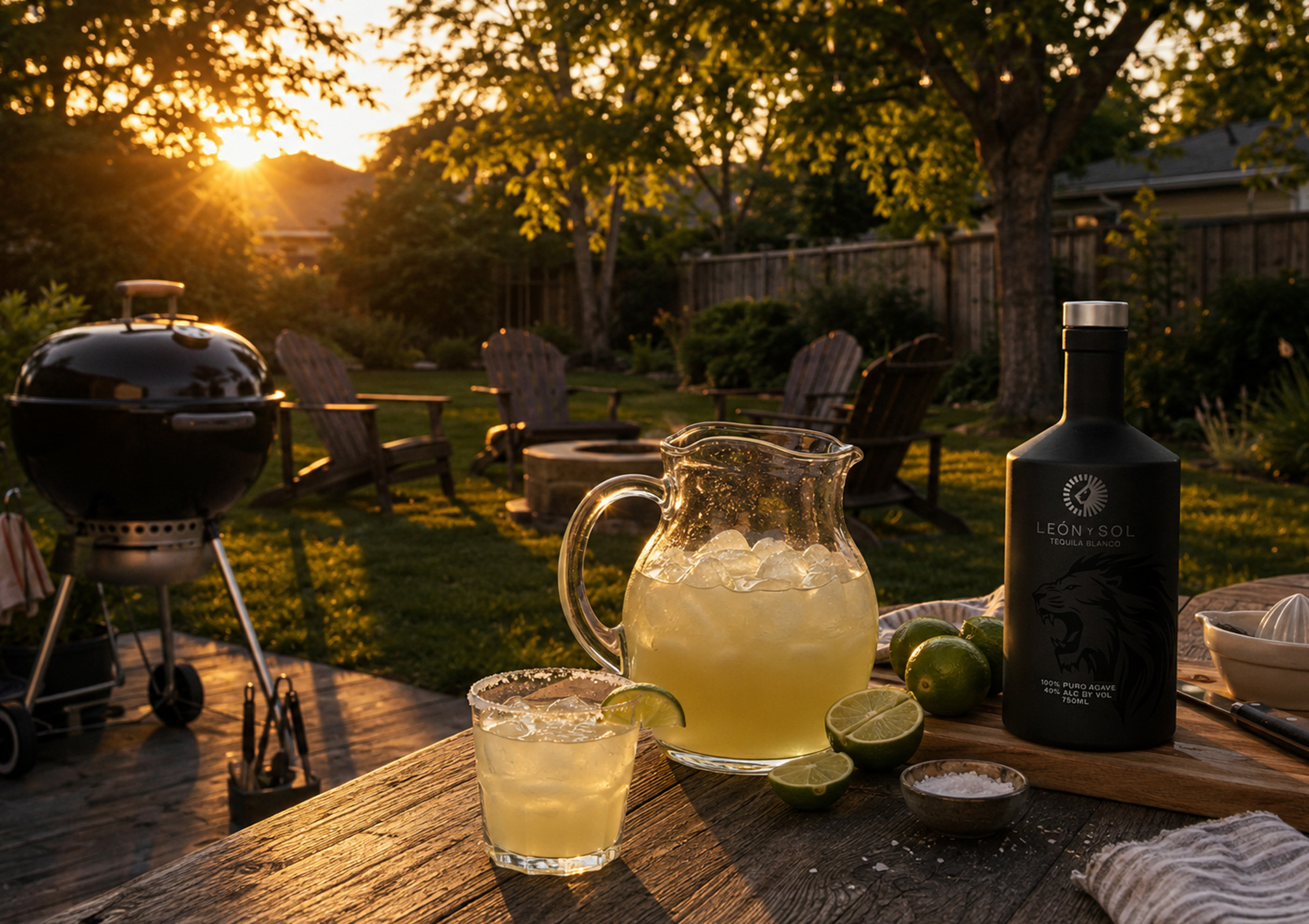
Triple sec works fine for budget-conscious margaritas and large batch situations where you’re making drinks for a crowd. It adds an easy orange flavor and sweetness without breaking the bank. A $12 bottle goes a long way when you’re mixing up pitchers for a backyard party.
The downside shows up in the final drink. Cheaper triple sec tends toward syrupy sweetness that can overpower the tequila’s agave character. You’re essentially making an orange-flavored tequila drink instead of a tequila drink enhanced by orange.
The lower ABV means you need more of it to achieve the right balance, which compounds the sweetness problem. It works when you’re not using premium tequila anyway and nobody’s analyzing the flavor profile too carefully.
Cointreau transforms a margarita from good to outstanding. The balanced sweet-bitter profile enhances tequila instead of competing with it. You get the orange complexity without the syrupy heaviness that cheap triple sec brings. The agave character stays front and center where it belongs.
The smoother finish makes a noticeable difference too. Cointreau’s higher ABV and cleaner flavor create a more integrated drink where every element works together. When you’re using quality 100% agave tequila, Cointreau is worth the upgrade. The premium tequila deserves a premium supporting cast. Save the generic triple sec for well drinks and batch margaritas where subtlety doesn’t matter.
Make two margaritas with the exact same tequila, lime juice, and proportions. The Cointreau version will taste brighter, more balanced, and cleaner on the finish. The triple sec version will taste sweeter, heavier, and more one-dimensional.
The agave shines through in the Cointreau margarita while the triple sec margarita tastes more like orange soda with tequila added. Try both versions yourself and see which one tastes like a proper margarita instead of a sugary mixed drink.
The choice between triple sec and Cointreau is most obvious in tequila cocktails. These three classics show exactly when each option makes sense.
This is the standard that every other tequila cocktail gets measured against. A proper margarita balances tequila, lime, and orange liqueur in equal importance. Use triple sec when you’re making pitchers for a crowd or mixing with mid-tier tequila. Reach for Cointreau when you’re using quality 100% agave tequila and want to taste what you’re drinking.
Ingredients:
Instructions:
This lesser-known classic mixes tequila with crème de cassis, ginger beer, and orange liqueur for something completely different. The ginger and blackcurrant flavors are strong enough that triple sec works fine here. Cointreau elevates it, but you won’t waste money using the budget option in this spicy, fruity combination.
Ingredients:
Instructions:
The notorious five-spirit punch uses triple sec as one of its base ingredients along with tequila, vodka, rum, and gin. This is definitively a triple sec situation. Nobody’s making premium Long Islands with Cointreau. The whole point is cheap, strong, and fast. Save your money for drinks that deserve it.
Ingredients:
Instructions:
Margaritas get the most attention, but orange liqueur shows up in dozens of classic cocktails. The Cointreau versus triple sec decision matters just as much in a Sidecar or Cosmopolitan as it does in your margarita. Here’s when each option makes sense:
The rule is simple: premium cocktails that showcase base spirits for Cointreau. Batch drinks for parties, casual mixed drinks, and situations where nobody’s analyzing flavor profiles can use triple sec. Match your orange liqueur quality to your overall ambition for the drink.
Triple sec and Cointreau both add orange to your cocktails. One does it cheaply, the other does it well. Generic triple sec works fine for batch margaritas and casual drinking, while Cointreau belongs in craft cocktails where every ingredient matters and you’re trying to taste what’s in your glass.
The best moments deserve the best ingredients. When you’re making margaritas for special moments, use Cointreau with León Y Sol blanco or reposado. Highland agave from Los Altos meets premium French orange liqueur the way they’re supposed to. Premium tequila demands premium supporting ingredients.
Cointreau is a type of triple sec, but not all triple sec is Cointreau. Triple sec is the generic category for orange liqueurs. Cointreau is a specific premium brand within that category. They’re largely interchangeable, but there is a difference in quality.
Yes, but your margarita will taste different. Triple sec is sweeter and can overpower the tequila’s agave flavor. Cointreau integrates smoothly and lets the tequila shine. Use triple sec for batch margaritas with mid-tier tequila. Use Cointreau when you’re drinking quality tequila like León Y Sol.
Cointreau is more expensive than generic triple sec because of its specific production standards. The orange peels come from specific regions, distillation happens in copper pot stills from the 1800s, and every batch meets rigorous quality control. Triple sec has no such requirements.