Mexican law defines five tequila types by aging time. Learn the difference between blanco, reposado, añejo, extra añejo, and cristalino to buy the right bottle.
You’re standing in front of a tequila shelf staring at twenty bottles that all look premium. One’s clear, three are gold, two are amber, and one somehow manages to be aged but also crystal clear. The labels throw around words like blanco, reposado, añejo, cristalino. Price tags range from $20 to $200. Most people pick based on bottle design or whatever’s on sale. But not you.
Learning about the types of tequila isn’t as hard as it is intimidating. Mexican law defines five official categories based on how long the spirit ages in oak barrels. Blanco gets bottled immediately or rests up to 60 days. Reposado ages for two to twelve months and añejo for one to three years. Extra añejo ages over three years.
This guide breaks down what each tequila category delivers and when to choose each one. Barrel time transforms flavor, changes color, increases price, and determines whether you’re making margaritas or sipping neat. By the end, you’ll know which bottle to grab based on what you’re doing with it instead of guessing based on which marketing team did the best job.
Mexican law regulates everything about tequila classification. NOM-006-SCFI-2012, enforced by the Consejo Regulador del Tequila (CRT), sets strict standards for what qualifies as each type. The main factor separating blanco from reposado and añejo is time spent in oak barrels. That’s the whole system.
The industry running this classification is massive. By the end of 2024, Mexico had 206 certified producers, over 42,000 agave farmers, and nearly 3,000 registered brands producing almost 496 million liters of tequila each year.
Every bottle starts life the same way. Clear blanco emerges from the still after distillation, but what happens next is what determines which category it joins. Bottles sent straight to packaging stay blanco. Barrels turn everything else into reposado, añejo, or extra añejo depending on how long they rest.
Oak barrels turn clear agave spirit into something completely different. The wood adds vanilla, caramel, and baking spices while the color deepens from crystal clear to dark amber. Alcohol mellows. The agave character changes from dominating the palate to playing a supportive role behind oak influence.
Mexican law requires oak or holm oak wood specifically. Most distillers use ex-bourbon American oak barrels because bourbon producers can only use them once. Premium expressions sometimes use French oak for a different flavor profile with tighter grain and subtler extraction.
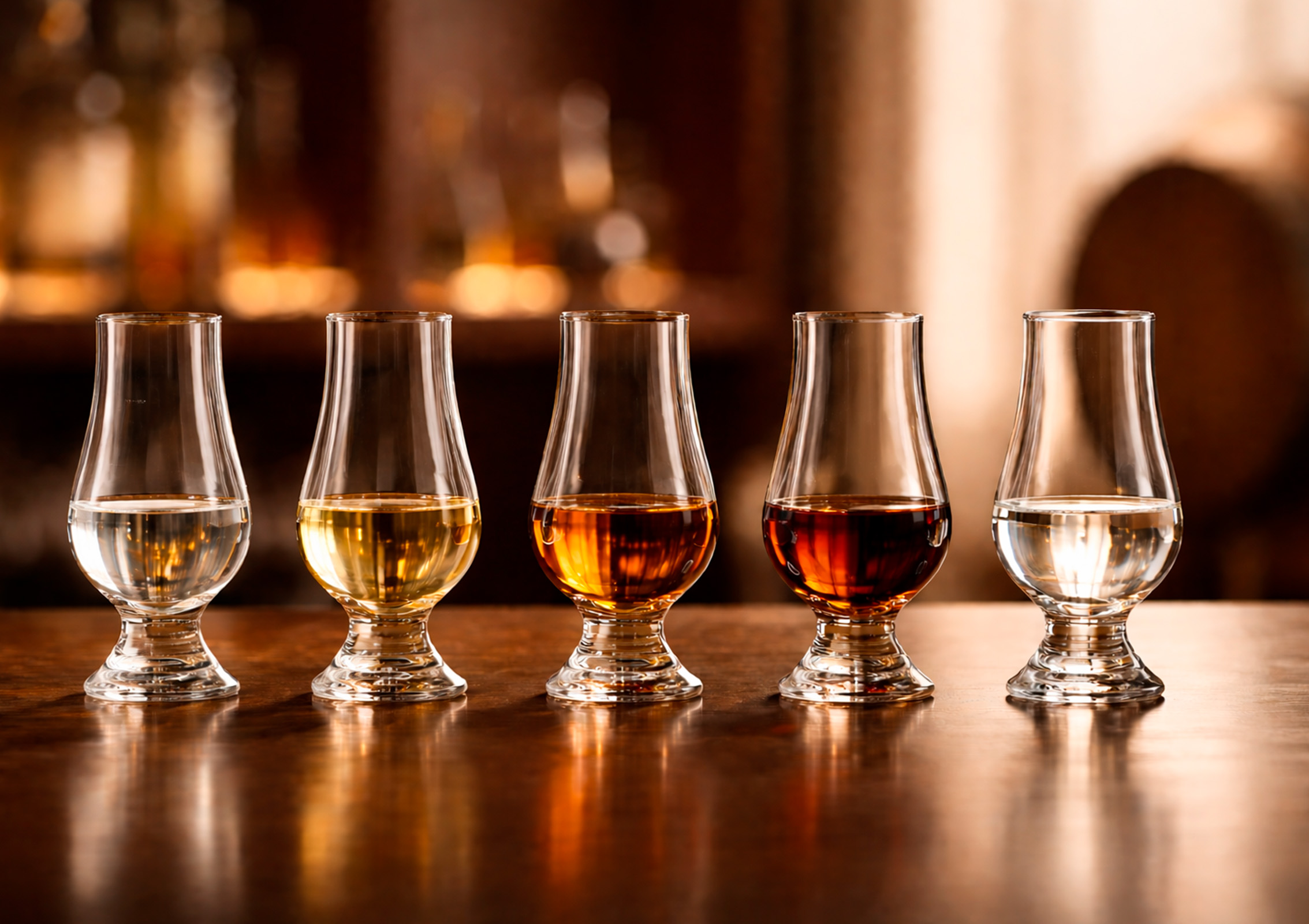
Mexican law recognizes five official tequila categories, plus a sixth filtered style that producers invented without regulatory approval. Each tequila category is primarily defined by how long the spirit rests in oak barrels before bottling. Here’s how each type breaks down:
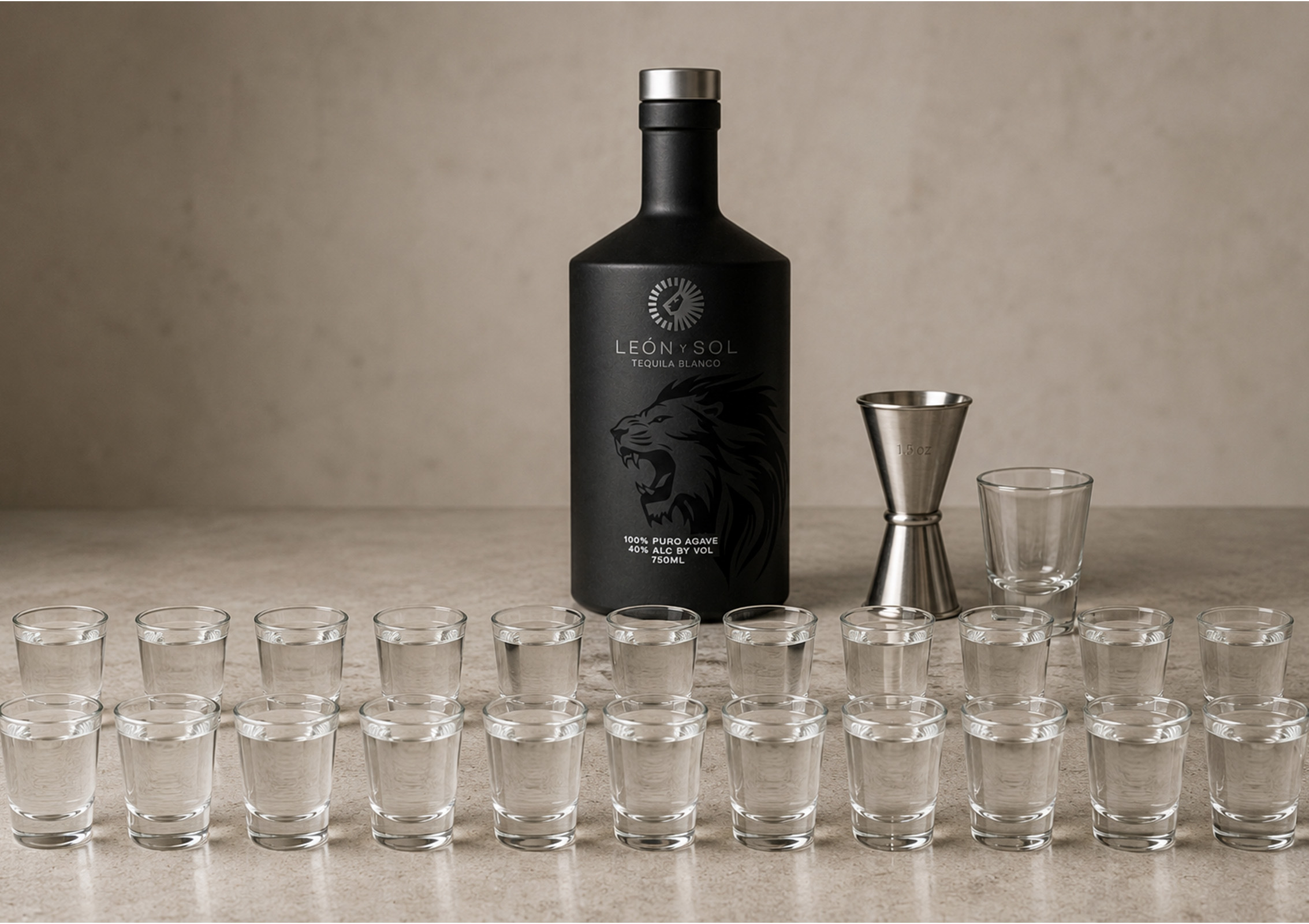
Aging: 0–60 days
Color: Crystal clear
Flavor: Pure agave, citrus, pepper, herbaceous
Best for: Margaritas, palomas, ranch water, shots if you insist
Blanco is where it all starts. It shows what a distillery can do without oak hiding the work. It’s the most versatile for cocktails and highland versus lowland terroir shows most clearly here because there’s nothing masking the agave character.
Blanco dominates the market for good reason. It held 41% of global tequila volume in 2025, making it the largest category by far. That lead comes from versatility. Blanco works in margaritas, palomas, ranch water, and basically every tequila cocktail that exists. Some people still shoot it, which is fine if you’re using cheap stuff. But quality 100% agave blanco deserves better treatment.
A high-quality blanco bottle runs for about $40–$80. What tequila actually is and how distilleries make it determines whether blanco tastes clean and complex or harsh and forgettable.
León Y Sol’s Blanco shows Los Altos highland character with the sweetness and fruity notes that come from iron-rich volcanic soil and temperature extremes.
Aging: 2–12 months in oak
Color: Pale gold to light amber
Flavor: Agave with vanilla, light caramel, subtle oak
Best for: Elevated cocktails, casual sipping, summer drinking
Reposado tequila is in that sweet spot between blanco’s brightness and añejo’s oak dominance. This is the most versatile category because it works in cocktails and for neat sipping. You’re not wasting money putting it in a margarita, but you’re also not embarrassed serving it straight to guests who actually know tequila.
That versatility is part of the reason why reposado is exploding right now. It’s the fastest-growing tequila type, projected to grow at over 9% per year through 2031. The US market shows even more growth. Reposado volume jumped 12.4% in the year ending September 2025, making it the leading growth driver in the entire spirits category.
That growth comes from people discovering aged tequila isn’t just for special occasions. It brings enough oak influence to feel sophisticated but keeps enough agave backbone to taste like tequila instead of agave-flavored whiskey.
Price runs $60–$100 for quality bottles due to that time spent in aging. Comparing silver and reposado side by side will show you exactly what those months in the oak barrels accomplished and why the price is a bit higher.
León Y Sol’s Reposado spends four months split between American and French oak barrels. This creates coffee and caramel notes that work whether you’re shaking a cocktail or pouring it neat.
Aging: 1–3 years in oak
Color: Deep amber to mahogany
Flavor: Oak-forward, vanilla, caramel, dried fruit, baking spices, tobacco
Best for: Neat sipping, spirit-forward cocktails, special occasions, pairing with food
Oak runs the show in añejo tequila. The agave character you loved in blanco becomes a supporting role. This is sipping territory where tequila competes with whiskey and cognac for complexity instead of just being “that shot at the bar.”
Time costs money. Añejo sits in barrels for years, taking up warehouse space and losing liquid to evaporation. The angel’s share is about 3–5% per year, which means distilleries are literally watching product evaporate while waiting for the tequila to mature. That’s why añejo costs much more than reposado despite using the same base spirit.
The premium positioning works. High-end premium and super-premium tequila captured 68% of revenue in 2025, with añejo and extra añejo driving most of that share. People are willing to pay for aged expressions that deliver whiskey-level complexity with agave’s unique character underneath.
Price usually runs $80–$150+ for a high-quality añejo. Understanding the differences between reposado and añejo helps you decide whether the extra aging time is worth the premium.
Aging: 3+ years in oak
Color: Dark mahogany, almost whiskey-like
Flavor: Intense oak, vanilla, caramel, dried fruit, leather, tobacco, chocolate
Best for: Special occasion sipping, gifts for collectors, replacing whiskey in your collection
This is the newest official category. The CRT only recognized extra añejo in 2006, making it the youngest addition to the family. This is usually positioned as an ultra-luxury spirit, with some expressions aged for 5, 10, or even 15+ years. This is collector territory where tequila costs as much as a rare whiskey.
Production costs hit hardest here. Longest aging time, highest evaporation losses, most warehouse space tied up for years. The result is bottles that cost well over $100. Not everyone wants this much oak influence, though. Some tequila purists argue that extended aging overpowers the agave completely, turning tequila into agave-flavored whiskey instead of letting the plant shine.
Aging: Varies
Color: Crystal clear despite aging
Flavor: Smooth like añejo but lighter in oak, vanilla, sometimes sweet or coconut notes
Best for: Premium cocktails where color matters, luxury positioning, impressing guests
Cristalino takes aged tequila and filters it through charcoal to remove the color. This isn’t an official CRT category though, just producer innovation that started getting traction in the 2010s. The filtering removes some oak tannins while keeping the smoothnes that comes from barrel aging. You get aged complexity with blanco appearance.
Purists hate it. Why age tequila for years just to strip out the visual proof of that aging? Why hide the amber color that tells you the spirit spent time in oak? Marketing teams love it because “clear aged tequila” sounds premium and confuses people into thinking they’re getting something special.
Aging: Varies
Color: Light gold
Flavor: Depends on blend quality
Best for: Skip this unless it says 100% agave
“Joven” means young. This category covers blends, and not all blends are created equal. Quality joven mixes blanco with small amounts of reposado or añejo, creating something interesting. That version is rare and expensive. Cheap “gold” tequila just adds caramel coloring to mixto and hopes you don’t notice.
If the label doesn’t say “100% agave,” then skip this category entirely. You’re getting artificially colored mixto pretending to be something it’s not. Joven is generally the least interesting classification unless you specifically know you’re buying a premium blend from a distillery you trust.
Here’s how the main tequila types stack up side by side. This table breaks down what aging time gets you in terms of color, flavor, and what you should be doing with each bottle:
Understanding tequila classifications is one thing. Knowing which to buy is another. Your choice depends on what you’re doing with the bottle, what you’re willing to spend, and how much experience you have with agave spirits.
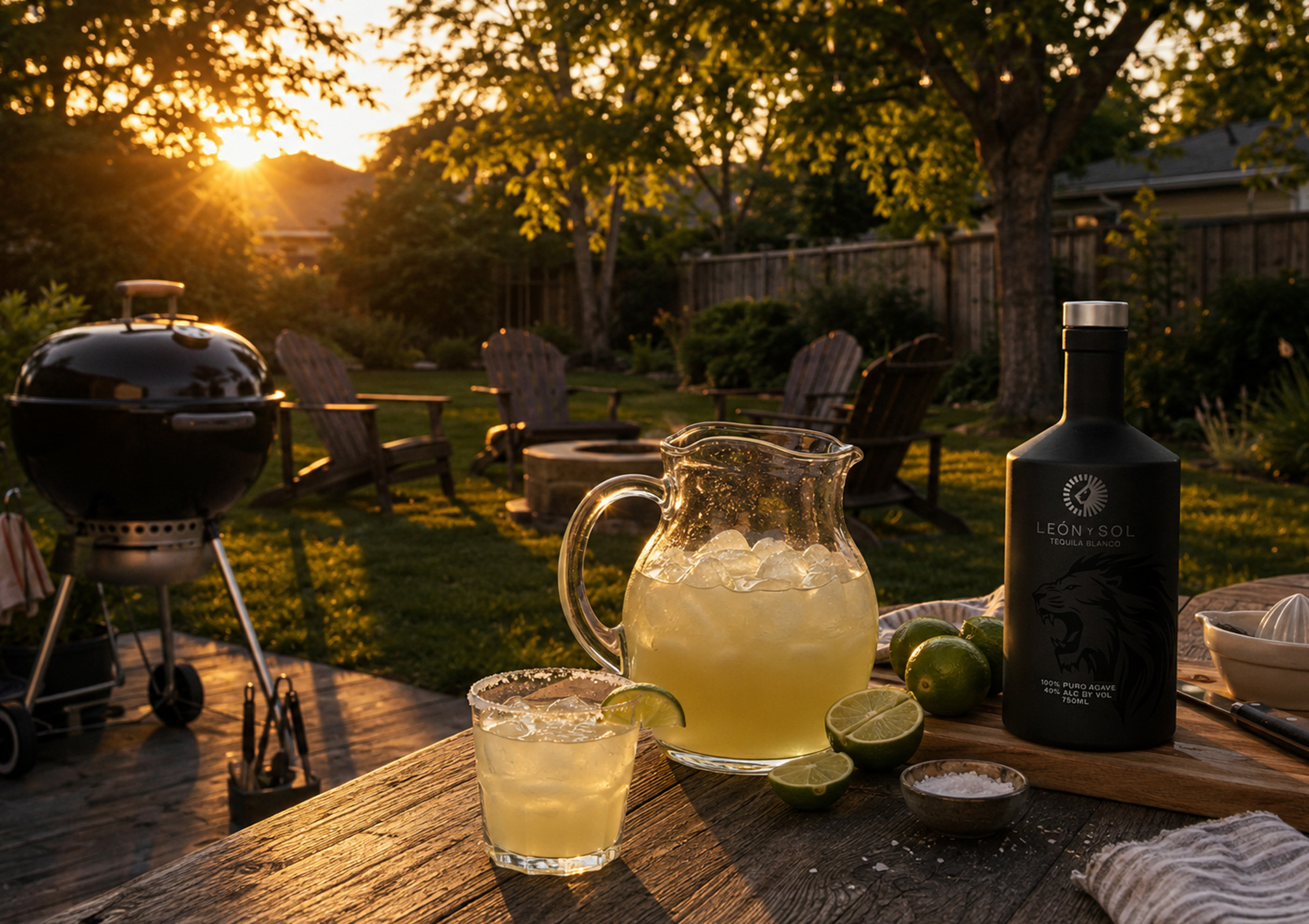
Making margaritas or citrus-heavy cocktails? Blanco is the only answer. The bright agave character cuts through lime and triple sec without getting buried. Save your money and your aged tequila for something else. How you drink tequila depends entirely on what’s in your glass.
Elevated cocktails like old fashioneds or Manhattans work better with reposado or añejo. The oak influence plays nicely with bitters and vermouth. Casual sipping where you want complexity without ceremony calls for reposado. Special occasions deserve añejo or extra añejo. Pairing tequila with food follows a similar logic, always matching intensity to intensity.
Your budget determines category more than preference sometimes. Forty dollars can get you excellent blanco or entry-level reposado. Eighty opens up premium reposado or some good añejo. Past $150 you’re in extra añejo territory where every year of aging adds cost.
Start with quality blanco to understand pure agave character without oak confusing the picture. Explore reposado next to see what barrel aging can accomplish. Then move to añejo when your palate is ready for that level of complexity. Don’t jump straight to extra añejo. Your taste buds need training before they can appreciate what $200 bottles offer.
We focus on Blanco and Reposado that showcase Los Altos highland terroir.
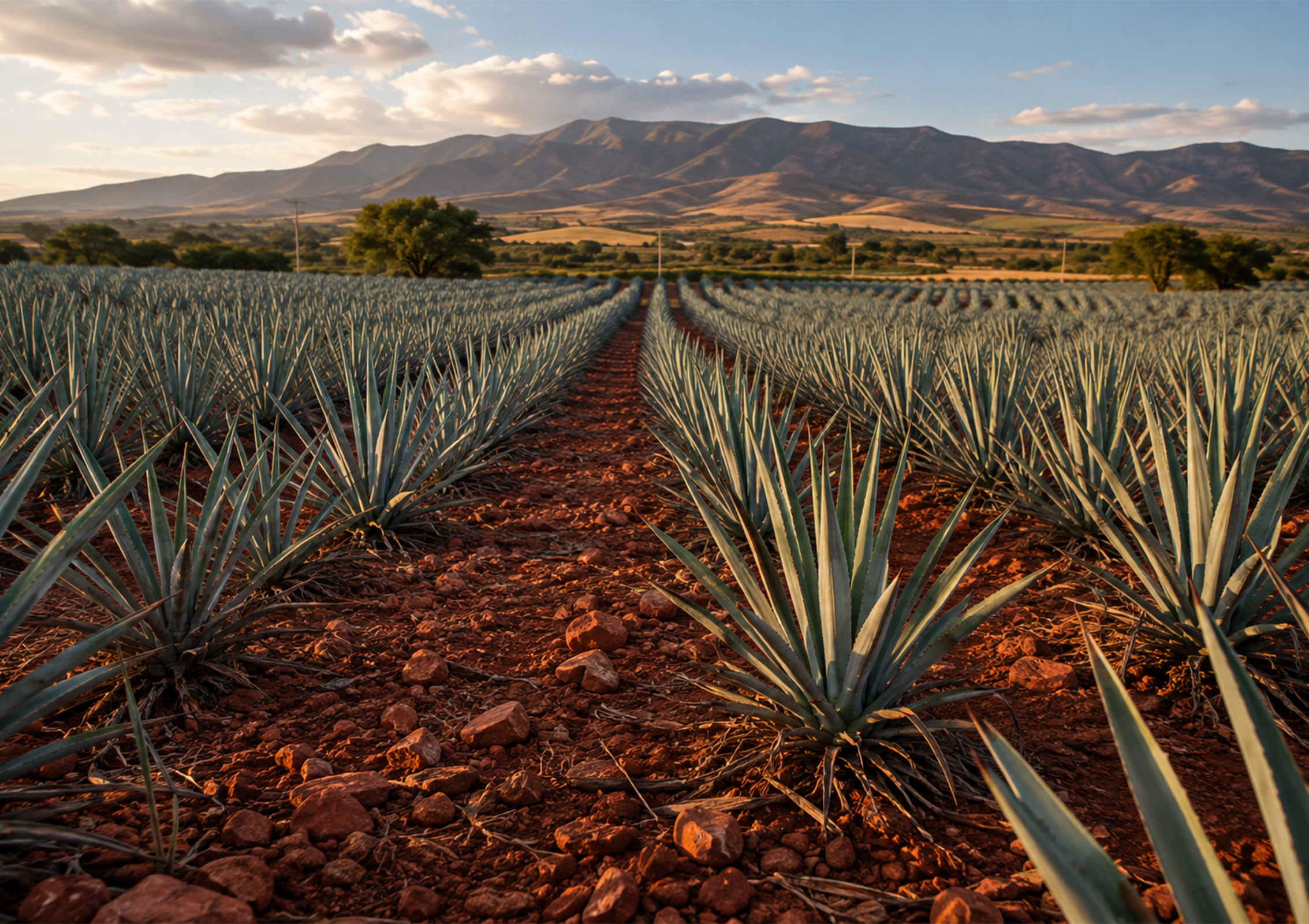
Los Altos sits at high elevation with iron-rich volcanic soil. Temperature swings between freezing nights and scorching days stress the agave plants into survival mode, forcing them to produce extra sugars as defense. Highland agave tastes sweeter and fruitier than lowland expressions. How tequila gets made determines quality, but where the agave grows determines character.
Our Blanco is 100% blue Weber agave, unaged, showing exactly what Los Altos terroir creates without oak getting involved. Our Reposado spends four months split between American and French oak barrels, creating coffee and caramel notes that work whether you’re mixing cocktails or sipping neat.
We make both because they’re the most versatile categories. They cover most drinking situations from margaritas to causal sipping. And they showcase what highland agave can do before oak takes over the flavor profile completely.
Try a León Y Sol tequila today to find the right drink for the moments that matter.