Cinco de Mayo celebrates Mexico's 1862 Battle of Puebla victory. Learn what it actually is, how to celebrate respectfully, and drinks worth making.

Most Americans celebrate Cinco de Mayo without knowing what they’re celebrating. Bars fill up with margarita specials. Party City sells out of sombreros. Everyone acts like they understand the cultural significance of ordering your third frozen margarita and another round of guac and chips. But ask what Cinco de Mayo actually celebrates and you’ll get a bunch of blank stares.
Cinco de Mayo celebrates Mexico’s victory over France at the Battle of Puebla on May 5, 1962. That’s it. Not independence. Not Mexico’s biggest holiday. Just one specific military victory that happened in Puebla.
How this holiday became such a massive celebration in the United States is anyone’s guess, but it’s certainly much more popular in the US than it is in Mexico these days. Twenty percent of Americans plan to celebrate Cinco de Mayo, which works out to about 66 million people drinking margaritas and eating tacos. In fact, more people buy alcohol for Cinco de Mayo than for any other holiday, including New Year’s Eve.
Meanwhile, Cinco de Mayo is only an official public holiday in Puebla, where the battle happened. That’s only about 5% of Mexico’s population, or 6.6 million people. Americans simply go harder for Cinco de Mayo than Mexicans. About 10 times harder, literally.
You can still celebrate Cinco de Mayo even if it’s not a huge deal in Mexico, though. This guide covers what happened, why it matters, how to drink and eat properly, and how to honor Mexican culture instead of reducing it to stereotypes.
Cinco de Mayo celebrates Mexico’s victory over France at the Battle of Puebla on May 5, 1862. Mexican forces were outnumbered and under-equipped. France had the most powerful military in the world at the time. General Ignacio Zaragoza led about 4,000 Mexican troops against 6,000 French soldiers attempting to collect debt and install an emperor. Mexico won anyway.
The victory mattered because it showed Mexican resistance could work against European colonialism. It boosted national morale during an incredibly difficult period. France eventually regrouped and occupied Mexico for a few years, installing Maximilian I as emperor, but the Battle of Puebla proved that Mexican forces could stand up to world powers. It became a symbol of resilience and determination.
Puebla celebrates that symbol with military parades and battle reenactments. The rest of Mexico treats it like a normal Tuesday. Independence Day on September 16 is the actual big deal. But in the United States, Cinco de Mayo became something completely different.
It started as a Mexican-American cultural celebration in 1960s California and grew into a mainstream event that sometimes has more to do with margarita specials than Mexican history. That’s not inherently bad, but knowing what you’re celebrating matters.
Most Americans get at least three things wrong about this holiday. Cinco de Mayo is:
So, the holiday does have some historical significance. Mexico’s outnumbered army defeated a European empire attempting colonization, which is worth celebrating. But treating Cinco de Mayo as “Taco Tuesday but bigger” misses the point entirely and could disrespect the culture you’re supposed to be celebrating.
The same holiday looks completely different depending on which side of the border you’re standing on. One version honors military history. The other became a cultural phenomenon that sometimes forgets why it exists.
Puebla goes all in. Military parades march through the streets with soldiers in period uniforms. Reenactments of the Battle of Puebla draw crowds who watch Mexican forces symbolically defeat the French empire again. Museums open special exhibits and schools teach kids about General Zaragoza’s strategy and why the victory mattered.
Outside Puebla, that celebration means almost nothing. Mexico City sort of acknowledges the day exists. Guadalajara might have a small event or two. But most Mexicans go to work, go to school, and treat May 5 like any other weekday. The battle happened in Puebla, so Puebla celebrates. Everyone else has bigger holidays to care about.
Cinco de Mayo started in 1960s California as a way for Mexican-Americans to celebrate their heritage during the Chicano rights movement. It was political, cultural, and rooted in pride. The celebration meant something specific about Mexican-American identity and resilience in the face of discrimination.
Then it spread beyond those communities. Bars saw an opportunity for drink specials. Beer companies saw marketing gold. By the 1990s, Cinco de Mayo had morphed into mainstream America’s excuse to drink margaritas and eat tacos without necessarily understanding what they were celebrating. Corona and tequila brands turned a regional Mexican-American cultural movement into a commercial holiday.
That evolution isn’t inherently wrong, but awareness is important. Learn the actual history before you party and support Mexican-owned businesses instead of chains exploiting the date for profit. You’re participating in something that started as Mexican-American cultural pride and grew into something bigger. Just don’t forget where it came from.
Just because most of Mexico treats May 5 like a regular day doesn't mean you can’t celebrate. Throwing a Cinco de Mayo party is totally fine. You just need to keep in mind the difference between honoring Mexican culture and turning it into a cartoon.
Do this when celebrating Cinco de Mayo:
Skip this:
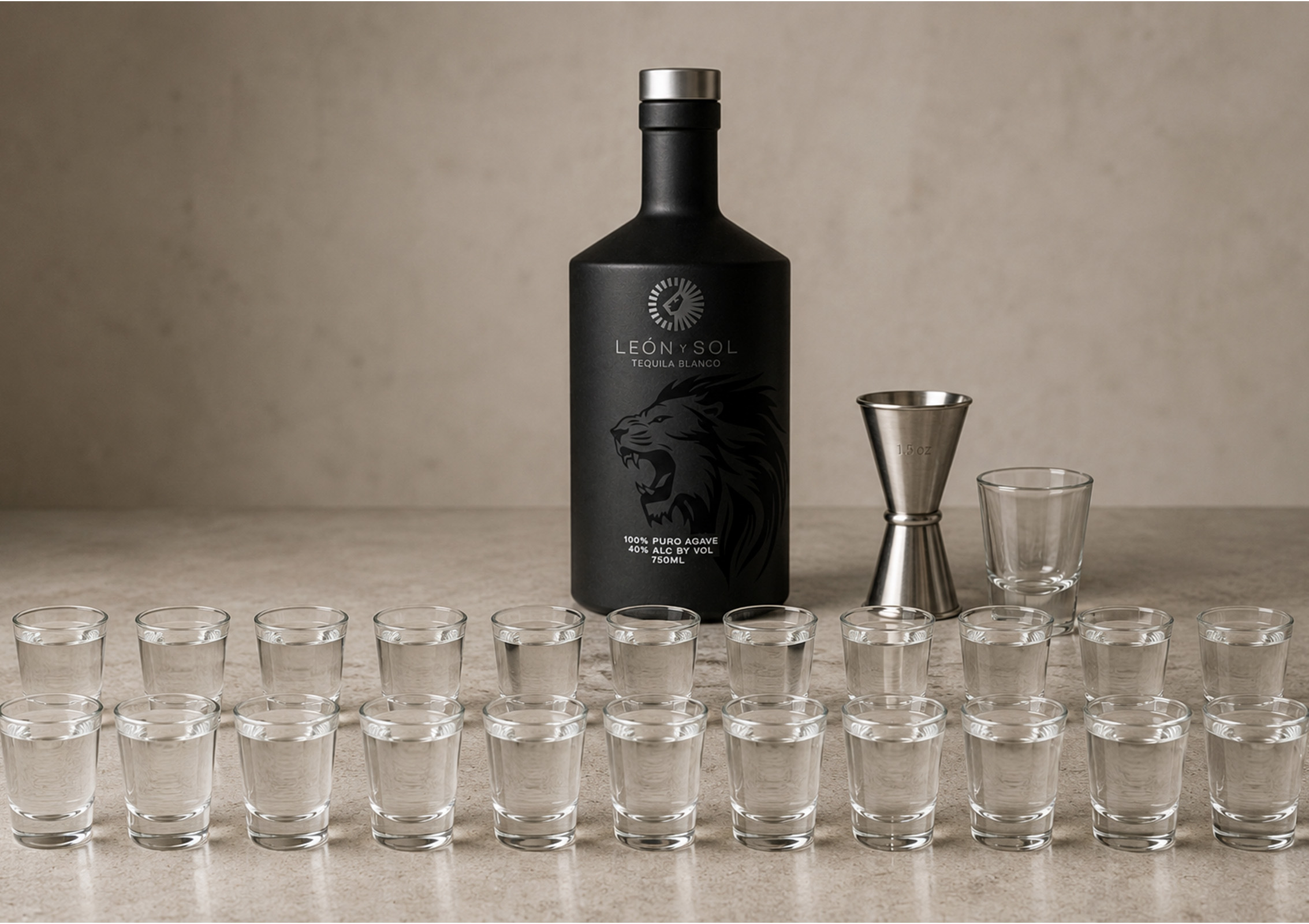
You can have fun and be respectful at the same time. Quality tequila and authentic food go further than themed decorations and questionable costumes. If you’re going to take tequila shots, use good tequila where the quality matches the special occasion.
Skip the frozen margarita machine and the well tequila. If you’re making drinks for Cinco de Mayo, make ones that actually taste good. These cocktails honor Mexican spirits and ingredients without treating tequila like spring break fuel. Quality matters more than quantity, especially when 76% of people celebrating Cinco de Mayo plan to drink margaritas anyway. Stand out by making them special.
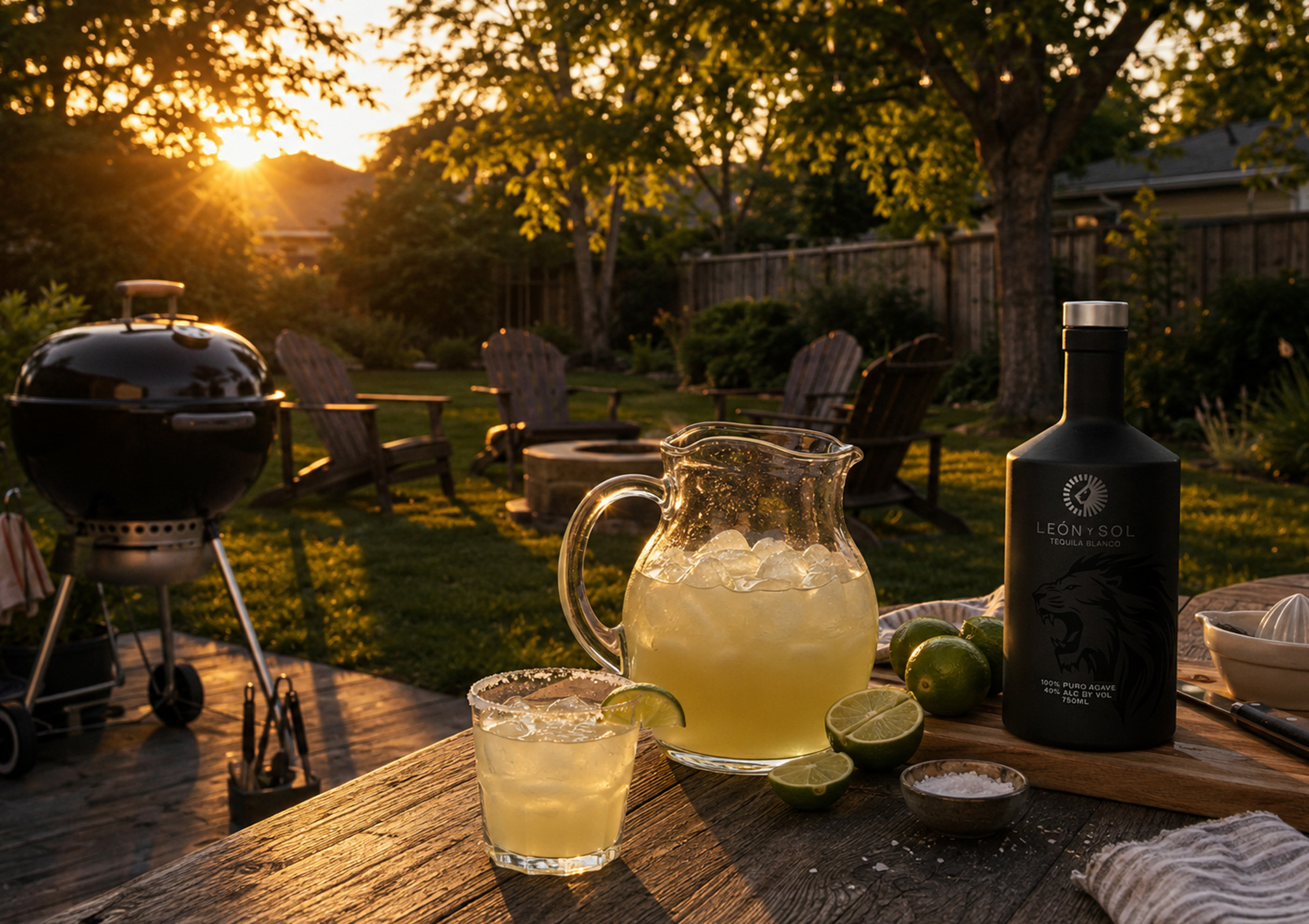
The standard for a reason. Fresh ingredients transform this from spring break flashback into something worth drinking. This is the drink that made tequila go mainstream in the US. Bright, balanced, lets quality tequila shine instead of hiding behind sugar and artificial mix.
Fresh lime juice makes all the difference between “this is good” and “why does my mouth taste like chemicals.” Use real Cointreau instead of generic triple sec. You’ll taste the upgrade immediately.
Ingredients:
Instructions:
Mexico’s actual favorite tequila cocktail. Grapefruit soda dominates margaritas in Mexican bars for a reason. Refreshing without being too sweet. The grapefruit’s bitter edge balances tequila’s agave character better than orange juice or lemon-lime soda ever could.
Ingredients:
Instructions:
A cantarito is a clay cup traditionally used in Jalisco to serve this citrus-packed tequila cocktail. The porous clay keeps drinks cold and adds a subtle earthy note that glass can’t match. This comes from tequila’s home state, where bartenders have been perfecting citrus-and-agave combinations for generations.
This drink includes orange, grapefruit, and lime juice, all at the same time. The three different citrus juices work together instead of competing. Orange brings sweetness, grapefruit adds bitter complexity, and lime provides a backbone. The grapefruit soda ties everything together with bubbles and a little extra sweetness.
Ingredients:
Instructions:
A banderita is three small glasses arranged in a row to represent the Mexican flag. Green (lime juice), white (tequila), red (sangrita). You drink them in order, not as shots but as sips that build on each other. This is traditional Mexican drinking culture at its core.
Sangrita is the key. It’s a spicy-sweet-savory chaser made from tomato, orange, lime, and chili that Mexicans sip alongside quality tequila. The three flavors together create something that none of them deliver alone.
Ingredients:
Instructions:
The Vampiro is Mexico’s answer to the Bloody Mary but lighter and more interesting. It’s sometimes called a Michelada Vampiro, since it’s basically a Michelada but with tequila instead of beer. The tequila, tomato juice, and grapefruit soda create a savory-sweet-spicy combination that works as both hangover cure or party drink. The name comes from the red color and the Tajín-rimmed glass that looks like it’s been dipped in blood.
This is what Mexicans drink when they need something substantial that still tastes good. It’s refreshing despite the tomato juice, spicy without being overwhelming, and the grapefruit soda keeps it from feeling too heavy.
Ingredients:
Instructions:
Skip the cheese dip and hard-shell tacos. Cinco de Mayo deserves food that really represents Mexican cuisine and pairs well with tequila. Authentic Mexican food works with agave spirits instead of fighting them.
These are the best Mexican dishes to serve at your Cinco de Mayo party:
But if you don’t want to cook, that’s totally fine too. Cinco de Mayo is a great excuse to support Mexican-owned restaurants. The US has over 52,000 Mexican restaurants, growing at 3% per year. Authentic food matters more than chain restaurant “Mexican-themed” party packages.
Cinco de Mayo celebrates Mexico’s underdog victory against the French empire at the Battle of Puebla in 1862. You’ve got the actual history now. You know what Mexico celebrates versus what became a Mexican-American cultural moment in the United States. You know the difference between appreciation and appropriation. Now you can actually celebrate without second-guessing yourself.
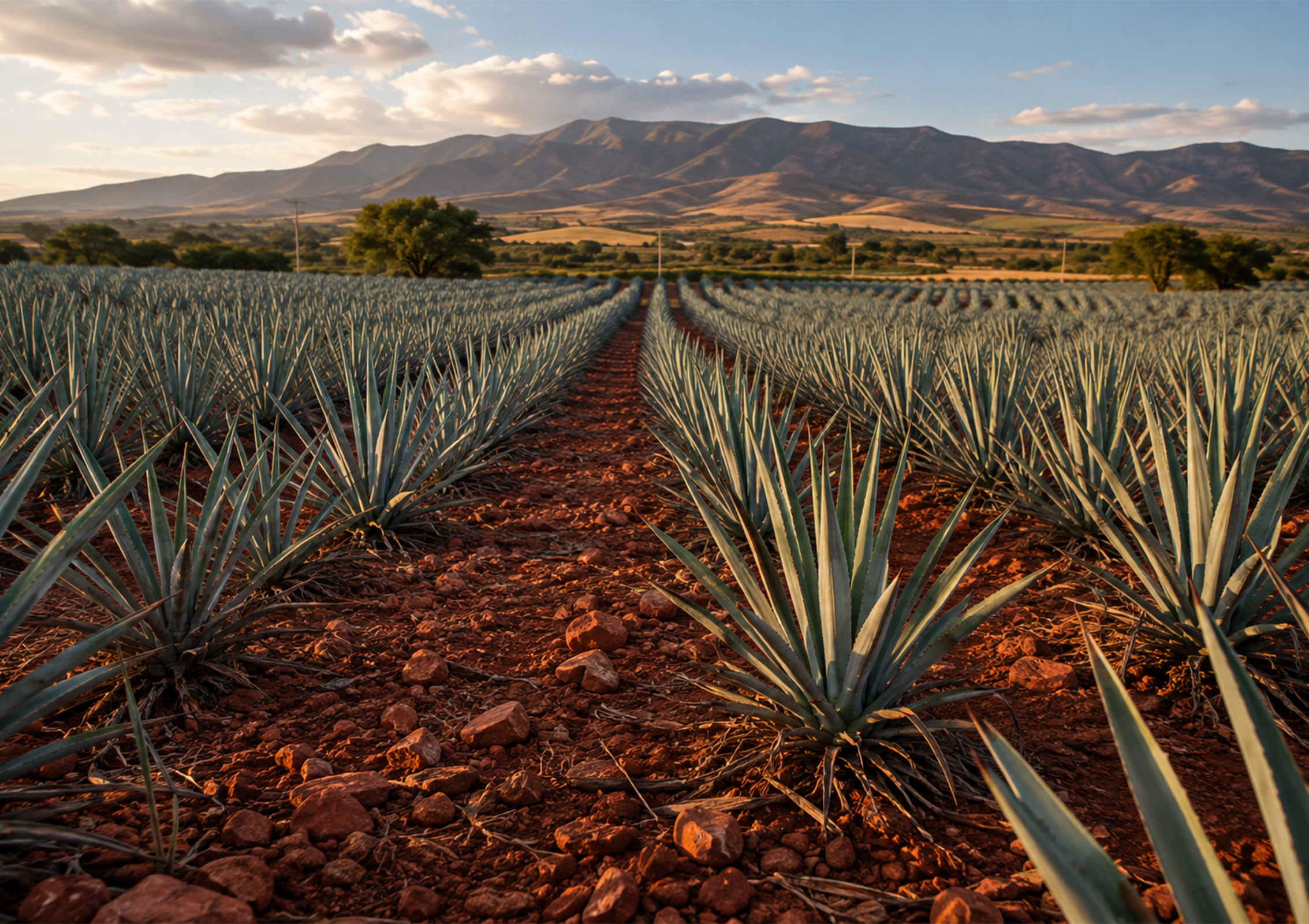
Quality margaritas, authentic Mexican food, and drinks that honor where tequila comes from make for better parties anyway. León Y Sol sources 100% blue Weber agave exclusively from Los Altos de Jalisco because highland terroir creates tequila worth celebrating. make a banderita. Grill some elote. Pour a proper paloma. You know what May 5 represents, which means you can enjoy it the right way.