Everyone claims to have invented the margarita. Showgirls, socialites, forgotten recipes. Here are the origin stories, why they don't hold up, and why it doesn't matter.

Everyone claims to have invented the margarita. A wealthy socialite in Acapulco. A Tijuana bartender serving a former showgirl. A hotel magnate’s nephew. A guy in Juárez who forgot how to make a different drink. The stories all sound plausible, they all involve someone named Margarita, and they’re all completely unprovable.
The truth is we’ll never know for sure who invented the margarita or where the name came from. But the competing stories tell us something about how cocktails become legends and how Americans fell in love with a drink that made tequila mainstream. Here are the most credible stories about how the margarita got its name, why they don’t hold up, and why it doesn’t really matter.
Margarita Sames was a wealthy American socialite throwing a party at her Acapulco vacation home in 1948. She claimed she mixed up a new cocktail for her guests using tequila, Cointreau, and lime juice. The drink was good enough that everyone wanted more, so she named it after herself. Margarita is Margaret in Spanish, which makes the story work linguistically.
The guest list supposedly included hotel magnates who put the drink on their menus, which explains how it spread so fast across Mexico and into the United States. The timing checks out, too. The late 1940s matches when margaritas started appearing on bar menus throughout California and the Southwest.
The problems start when you look closer. Sames didn’t tell this story publicly until the 1980s, decades after the supposed invention. There’s no documentation from 1948, no menu from the party, no letters from guests raving about this new cocktail.
Other bartenders were already making similar drinks with tequila, citrus, and orange liqueur by the time she claims to have invented it. And it’s awfully convenient that famous people happened to be there to spread her creation to every hotel bar in Mexico.
Ten years earlier in Tijuana, bartender Carlos “Danny” Herrera was working at Rancho La Gloria when a regular customer presented him with a problem. Margarita Henkel was a former Ziegfeld Follies dancer who claimed to be allergic to every spirit except tequila. She didn’t like drinking tequila straight, which left Herrera with a challenge.
He mixed tequila with lime juice and Cointreau, served it in a salt-rimmed glass, and named the drink after her. Margarita loved it. The story stuck. The Herrera family has been telling this version for decades, and Rancho La Gloria still claims to be the birthplace of the margarita.
The problems are familiar. No documentation exists from 1938. Tijuana already had dozens of bars serving tequila cocktails to American tourists looking for cheap drinks and loose morals during Prohibition’s aftermath. The timeline feels suspiciously early, too, like someone worked backward from when margaritas got famous.
And the showgirl’s detail is almost too perfect. Former Ziegfeld Dancer with a medical condition that requires a custom cocktail? That’s not history, that’s narrative embellishment designed to stick in your memory.
“Margarita” is Spanish for daisy. The Daisy was already an established cocktail category by the 1920s, following a simple template of a base spirit plus citrus juice and orange liqueur. Bartenders made brandy daisies, whiskey daisies, gin daisies, and so on and so forth. A tequila version would’ve been the obvious next step.
Mexican bartenders were probably making tequila daisies throughout the 1920s and 1940s without thinking they were inventing anything revolutionary. Calling it a margarita in Spanish makes perfect sense if you’re working in a Mexican bar serving Mexican customers. No celebrity required. No dramatic backstory needed. Just logical cocktail evolution happening in dozens of bars simultaneously.
This theory explains why the margarita appeared in multiple places around the same time with no clear single origin point. It wasn’t invented. It evolved. Different bartenders arrived at the same basic formula because tequila, lime, and orange liqueur is an obvious combination once you understand the Daisy template.
The problem with this story is that it’s not romantic. There’s no showgirl with mysterious allergies, no socialite naming a drink after herself, no famous guests spreading the recipe to luxury hotels. Just bartenders doing their jobs and following established cocktail logic. Cocktail historians think this is the most likely explanation, but people prefer the other stories because they’re better bar trivia.
The socialite and the showgirl get most of the attention, but they’re not the only ones claiming credit. At least four other origin stories float around, each with its own problems:
Cocktail history is messy because drinks evolve rather than get invented. Multiple bartenders probably created similar drinks independently because tequila plus citrus plus orange liqueur is obvious once you understand cocktail templates. The competing stories say more about how Americans mythologize Mexican cocktail culture than actual history.
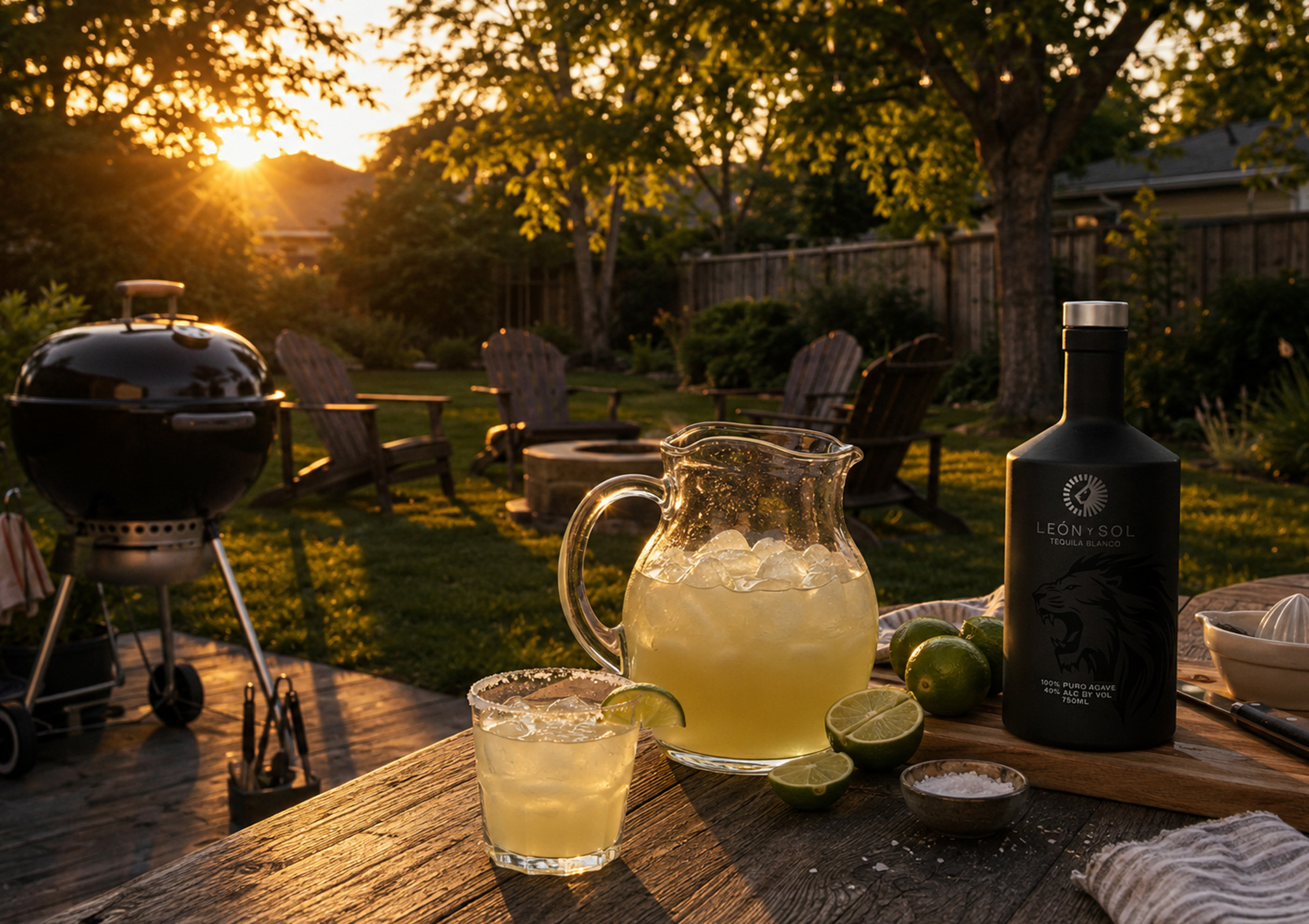
What matters is the drink works. Make one with León Y Sol tequila to continue the tradition, whoever started it.