Fewer Americans are drinking than at any point in 30 years. The ones who still are care more about what's in the glass. Here's why that's the right move.
.jpg)
At some point the conversation around drinking changed. Not dramatically, not all at once, but gradually enough that you might have missed it if you weren't paying attention. Fewer people are drinking overall, the ones who still are tend to care more about what's in the glass, and somewhere between those two things a more interesting idea emerged, that the best drinking experiences have nothing to do with how much you had.
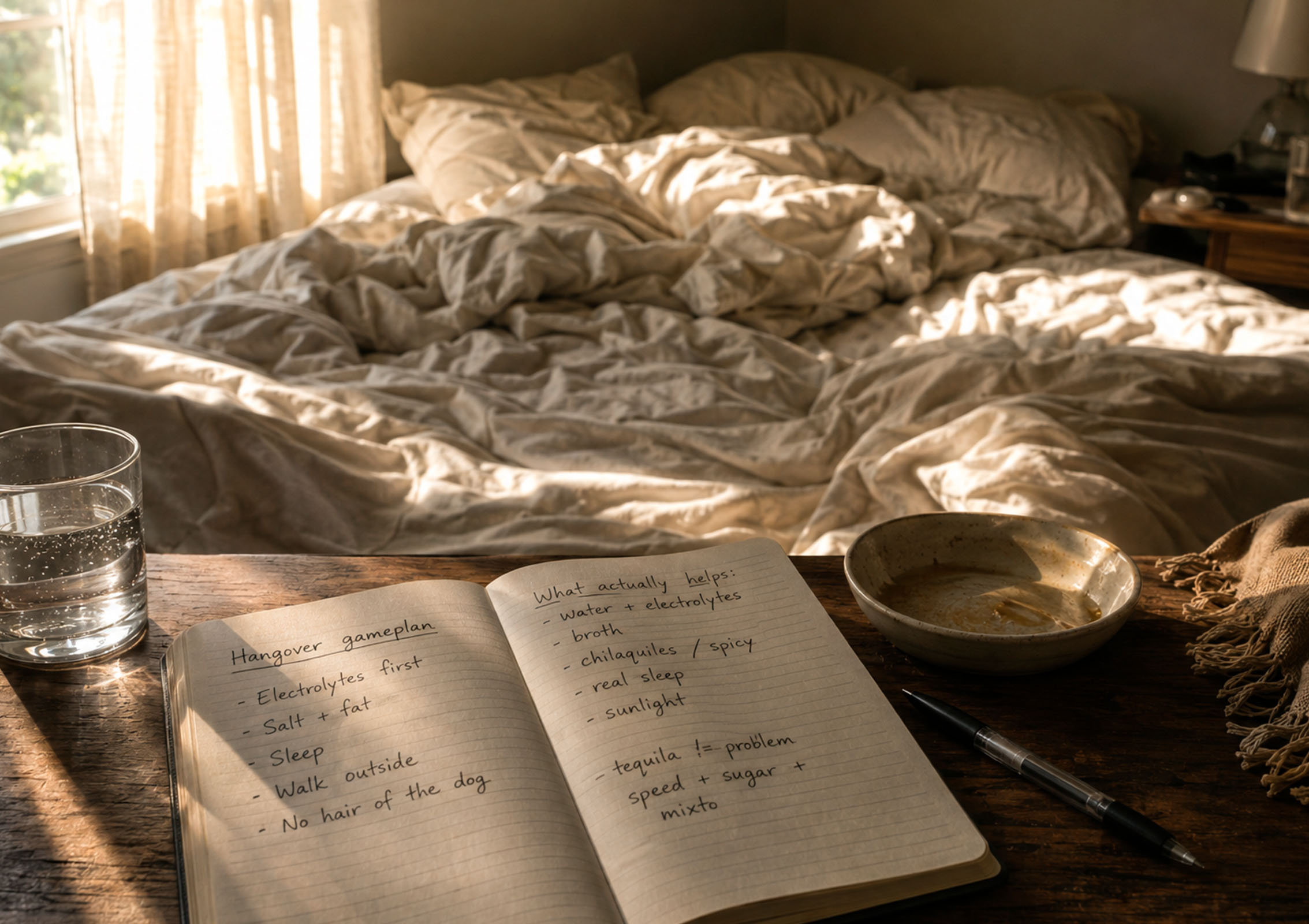
The math is straightforward once you run it. One drink you actually taste beats four you barely remember every time. The morning is better. The experience is better. Drinking less and drinking better turn out to be the same decision, and more people are making it than you might think.
Something is happening with how people think about drinking, and it's bigger than a January cleanse or a wellness trend that fades by March. Only 54% of US adults reported drinking alcohol in 2025, a record low in Gallup’s three decades of tracking the question. Among adults under 45, two-thirds now consider even moderate drinking unhealthy, so this shift looks a lot like a generational reset.
But the shift isn’t really about sobriety, either. Nearly half of Americans planned to drink less in 2025, but most of them aren’t giving it up entirely. They’re just getting more deliberate about when, why, and what. Less obligation drinking. Less drinking-because-it’s-there drinking. More intention behind the glass.
That’s the shift. And it’s the most interesting thing happening in the drinks world right now.
Nobody sits down at a bar and thinks through what they’re actually doing. Four drinks at $10 each is $40 and a fuzzy morning. One drink at $18 is $18 and a clear head. The math is right there and most people never run it, probably because doing math at a bar feels like exactly the wrong energy. But the numbers are worth knowing.
Past the second drink, the tasting stops and the consuming starts. You’re just maintaining at that point, running out the clock on a night that peaked an hour ago. The third drink tastes less like the second one did, which tasted less than the first one did, and by the end of the night the whole thing blurs into a vague memory.
Part of it is social momentum. Someone goes to the bar and asks what you want, and you say the same thing you've been having because stopping feels like a bigger decision than continuing. The round arrives and you drink it because it’s there. That’s how the fourth drink usually happens. The night just kept moving and the glass kept getting refilled.
Thirty-one percent of alcohol consumers now actively prefer quality over quantity, and a quarter plan to spend more on drinks over the next year while drinking less overall. The math they’re doing is simple. One pour of something genuinely good, something you actually slow down for and taste, costs less than four pours of something forgettable and delivers moe. The morning helps too.
Drinking better has nothing to do with spending more money or developing opinions about barrel aging that you share uninvited at dinner parties. It’s much simpler than that. It means choosing something because you actually want to taste it, slowing down enough to notice what’s in the glass, and treating the drink like it deserves attention rather than something to get through on the way to the next one.
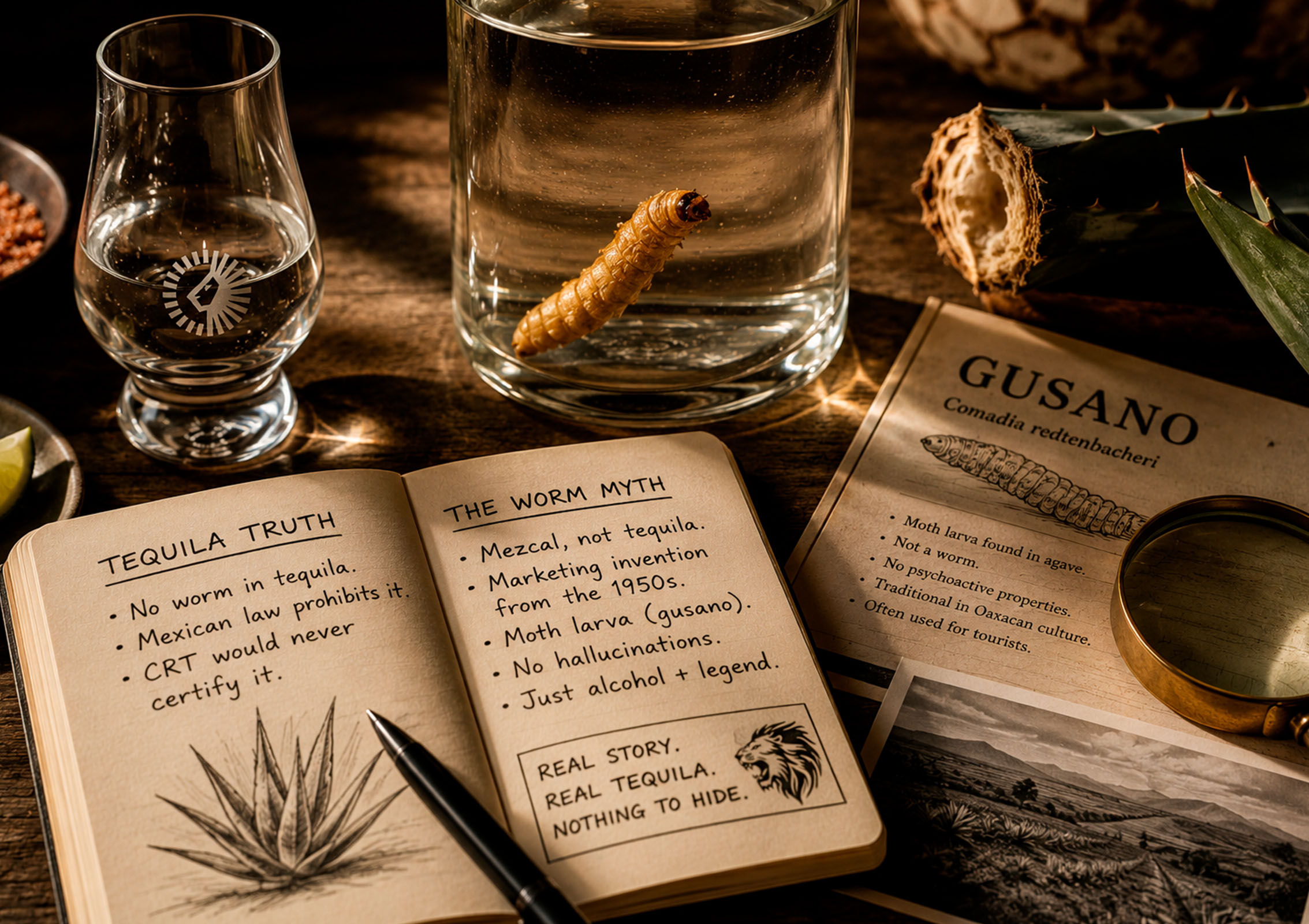
What’s in the bottle matters more when you’re only having one. The difference between 100% agave tequila and a mixto, between something made without additives and something sweetened to cover up shortcuts, is something you can actually taste when you’re paying attention. Four drinks in, none of that registers. One drink in, it’s the whole experience.
The other half of drinking better is knowing when the drink deserves your full attention. A cold beer on a Wednesday night watching the game is exactly right for what it is. But the dinner that runs past midnight, the promotion you finally got, the Sunday that stretched into something worth remembering, those moments have a different weight and they deserve something that matches it. The drink doesn't make the moment. It just rises to meet it.
León Y Sol was made for exactly this. Not the night where you’re drinking because everyone else is, or because the bar is open, or because it’s something to do with your hands. For the night where you really want to taste what’s in your glass and the pour in front of you is worth slowing down for.
The agave comes from los Altos de Jalisco, where the iron-rich volcanic soil and brutal temperature swings force the plants to produce more natural sugars over six to eight years of growing. No additives, no shortcuts, nothing added to make it taste like something it isn’t. What goes into the bottle is what comes out of it, and when you’re only having one or two, that’s the kind of thing you notice.
León Y Sol reposado specifically was built for the one-drink moment. Four months in American and French oak pull vanilla, caramel, and coffee notes from the barrel without burying the highland agave underneath. There's enough going on in the glass to hold your attention for the entire pour, which is exactly what you want when the pour is the point.
If the one-drink philosophy sounds right to you, León Y Sol blanco and reposado are a good place to start. Both are 100% highland agave from Los Altos de Jalisco with nothing added that shouldn’t be there. Pour one glass, slow down, and find out what a drink actually tastes like when you’re paying attention to it.