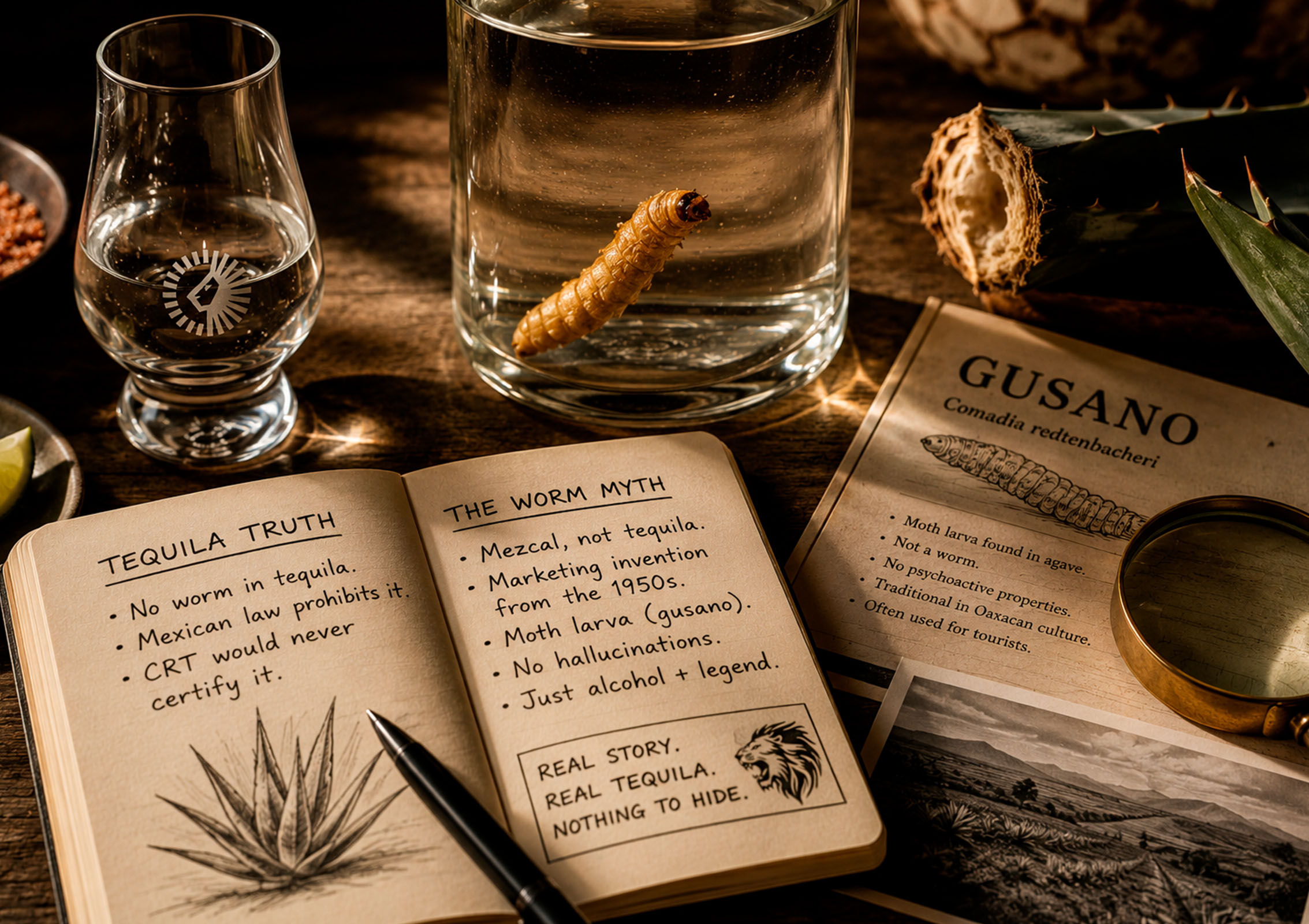
Tequila gives you a hangover. But why some nights are survivable and others aren't has everything to do with what was actually in the bottle.
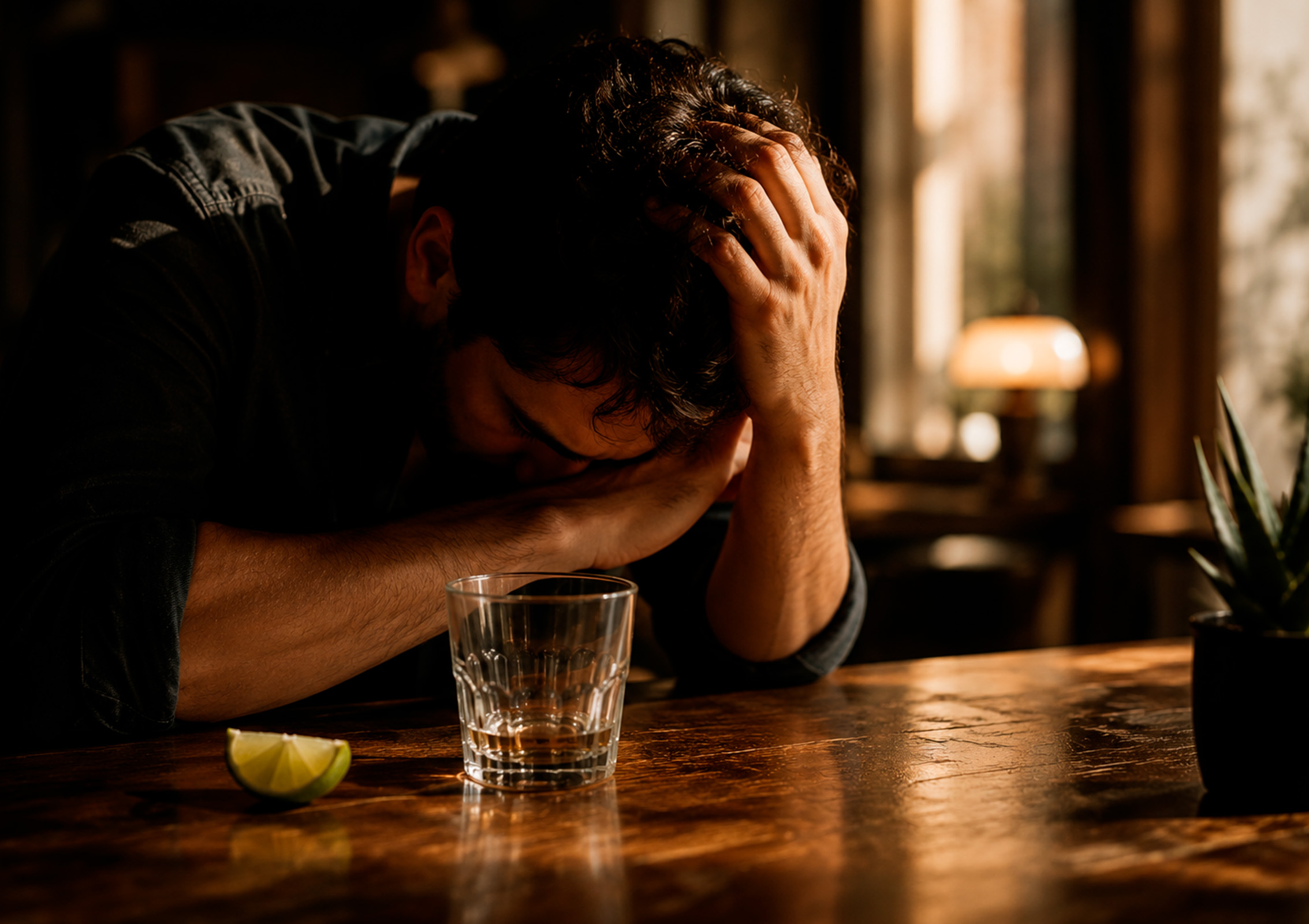
Everyone has a tequila horror story. The night that ended badly, the morning that ended worse, the three-day recovery that made you swear off the stuff entirely. Everyone also has a friend who claims tequila is the one thing that never wrecks them, who drinks it exclusively and wakes up fine while everyone else is suffering.
Both of these people are telling the truth about their experience. Neither of them fully understands why.
Tequila gives you a hangover. That part isn’t up for debate. But the difference between a survivable morning and a completely lost day has a lot more to do with what was in the bottle than most people realize. The horror stories and the miracle claims both make more sense once you understand what tequila is, and more importantly, what a lot of what gets sold as tequila actually isn’t.
Let’s get this out of the way immediately. Tequila gives you a hangover. Any alcohol consumed in sufficient quantity will make you feel terrible the next morning, and tequila is not the exception to that rule regardless of what anyone at the party told you.
What tequila is, when it’s made properly, is one of the cleaner options available. That’s a real distinction and it’s worth understanding. But clean doesn’t mean consequence-free, and the people who’ve woken up fine after a night of tequila either didn’t drink that much, drank something genuinely good, or got lucky. Usually some combination of all three. The good news is that all three of those variables are ones you can control before you even leave the house.
The more useful question is why some tequila nights feel survivable and others feel like a punishment. That answer has less to do with tequila specifically and more to do with what was actually in the bottle.
A hangover is your body processing the aftermath of alcohol, and it’s doing several unpleasant things at once. The main villain is acetaldehyde, the toxic compound your liver produces when it breaks down alcohol. It accumulates faster than your body can clear it, and the symptoms you associate with a hangover, the headache, the nausea, the general sense of regret, are largely acetaldehyde doing its work. Everything else, dehydration, inflammation, disrupted sleep, piles on top of that foundation.
The type of tequila in your glass affects how hard those things hit, and the reasons why are worth knowing.
Congeners are the chemical byproducts of fermentation, and they vary significantly between spirits. Darker spirits like bourbon and brandy carry high levels. Clear spirits generally carry fewer.
Pure 100% agave tequila is toward the cleaner end of that spectrum. That’s the legitimate scientific basis for the claim that quality tequila is easier on your system.
The key word is quality. Mixto tequila, made with multiple sugar sources, produces more fermentation byproducts and more for your liver to work through the next morning.
Alcohol suppresses vasopressin, the hormone that tells your kidneys to retain water. Every drink you have increases how much water your body expels, which is why you wake up feeling like you’ve been somewhere very dry for three days.
This applies equally to every spirit regardless of how premium the bottle looks. The fix is water, not switching drinks. Alternating alcohol with water during a night out makes a big difference the next morning, and it’s about as unglamorous a solution as you’ll find.
Tequila has a worse hangover reputation than it deserves, and most of that reputation comes from how people drink it rather than what it actually is.
Shots are the main culprit. Nobody sips whiskey at the pace they take tequila shots, and the speed at which you consume alcohol matters as much as what you're consuming. The salt-and-lime ritual was designed for speed, not savoring. It's a delivery mechanism that bypasses every instinct that would otherwise slow you down.
Then there’s the mixto problem. Most people’s first experience with tequila was cheap, mixto-based and possibly served from a plastic bottle at a college party. That tequila is much harder on your system, and the hangover it produces is worse. That reputation stuck even as the tequila in the glass got considerably better.
The memory effect doesn’t help either. A bad tequila night tends to be vivid and specific in a way a bad wine night rarely is. It’s one of many tequila misconceptions that sticks around long after the headache fades. The story writes itself, gets repeated, and becomes the reason someone swears off tequila for a year. The tequila gets blamed. The mixto walks free.
If you’ve ever had a tequila hangover that felt disproportionate to how much you drank, mixto is probably the explanation. This is where tequila legitimately differs from itself, and the difference is big enough to change how you feel the next morning.
Mixto tequila only requires 51% blue Weber agave. The remaining 49% can come from other sugar sources, usually cane sugar or corn syrup. It still gets to call itself tequila and it doesn’t have to tell you what else is in it.
The label tells you what you need to know. If it doesn’t say “100% agave,” it’s mixto. That’s the whole test. A bottle that only says “tequila” without the 100% agave declaration is using the minimum agave the law allows and filling the rest with something cheaper.
More sugar sources mean more fermentation byproducts and more congeners for your liver to process. Your body handles one sugar source more efficiently than it handles three.
The additives that some producers use after distillation compound the problem. Glycerin, caramel coloring, sugar syrup added to smooth out a rough product or improve its appearance. None of it has to appear on the label. All of it adds to what your system has to work through the next day.
Switching from mixto to 100% agave tequila changes the morning after. Not because tequila becomes hangover-proof, but because your liver has less to deal with.
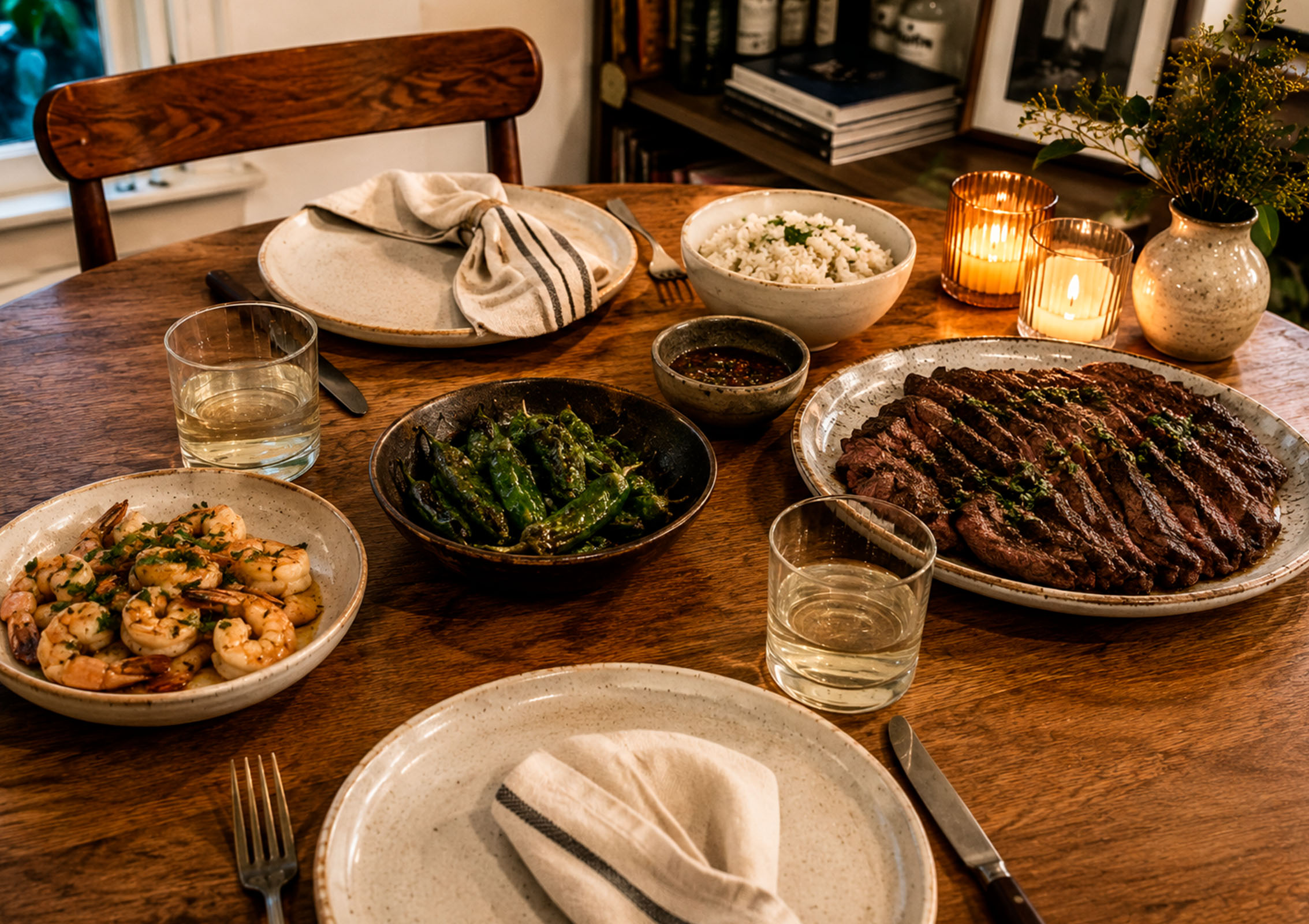
There’s no cure and there’s no trick that cancels out a night of heavy drinking. Anyone selling you otherwise is selling something. What there is, is a set of habits that make a big difference between a rough morning and a write-off one.
These are the habits that do minimize a tequila hangover:
Tequila gives you a hangover. That’s the honest answer and it was always going to be the honest answer. What changes the morning after is the quality of what was in the glass and how you treated your body while it was going in.
Mixto tequila, cheap sugary mixers, and shots taken faster than your liver can process them are three reliable ways to guarantee a bad morning. None of those things are tequila’s fault. They’re choices, and different choices produce different results.
Pure 100% agave tequila made without additives gives your body less to fight through. It’s cleaner from the field to the bottle, and that cleanliness shows up the next day in ways that matter. It’s still alcohol. It still requires water, food, and a reasonable pace. But it starts from a better place than the alternative.
The people who swear by tequila aren’t wrong that something is different about it when it’s made properly. They’re just giving tequila the credit that belongs to the quality of what they were drinking. Switch to 100% agave and pay attention to how the mornings change. The evidence tends to speak for itself.
León Y Sol blanco and reposado are both 100% blue Weber agave from Los Altos de Jalisco with no additives and nothing to hide. Drink well. Drink water. Get some sleep. The rest is up to you.