Learn how to host a tequila tasting at home. Covers glassware, lineup selection, tasting order, proper technique, and creating the right atmosphere.
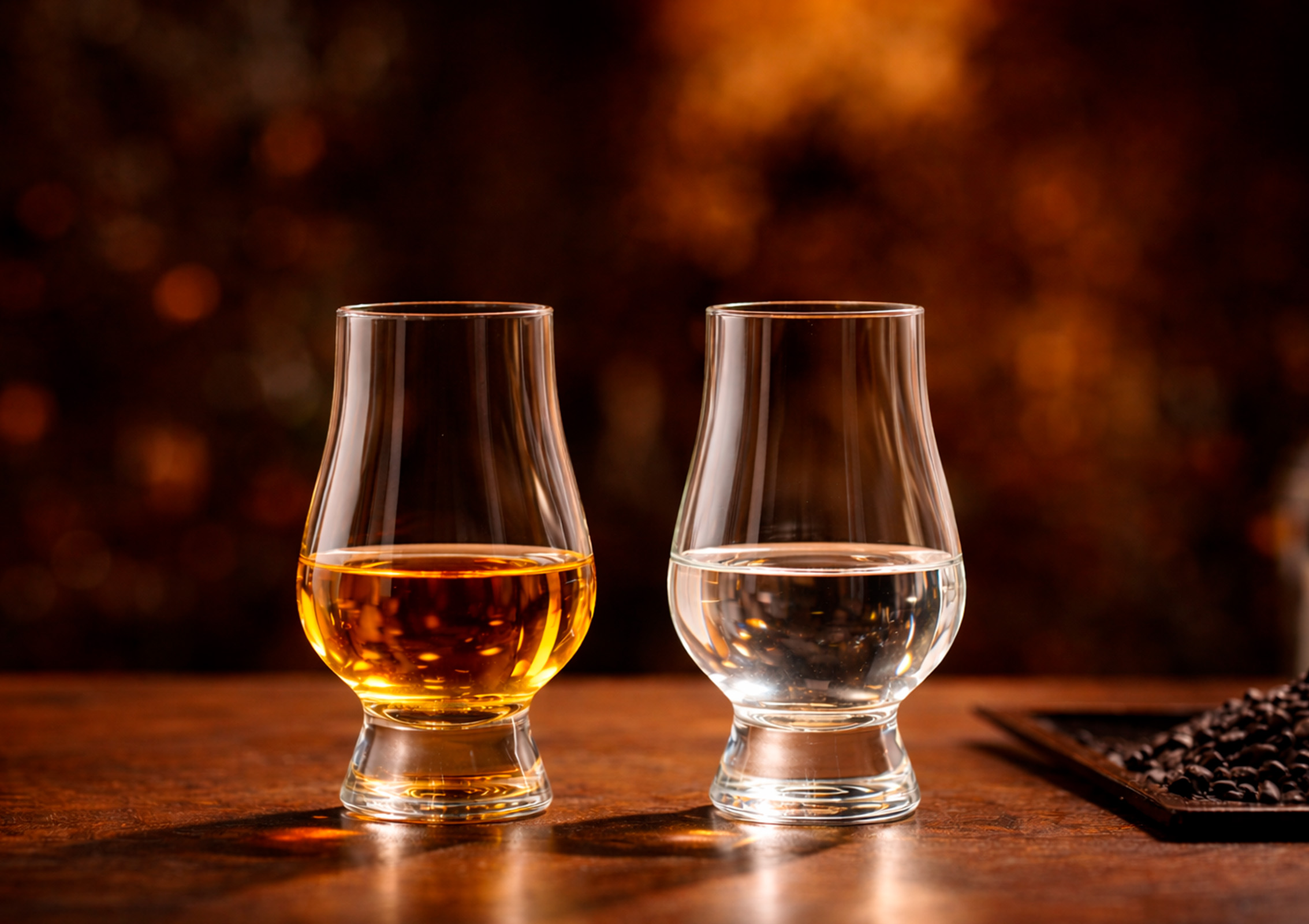
Cristalino tequila is aged tequila that’s been charcoal filtered to remove the golden color it picked up from sitting in oak barrels for years. It looks like blanco, tastes like añejo, and divides tequila drinkers harder than politics divides families at Thanksgiving.
This category didn’t really exist 15 years ago. Don Julio launched the first commercial cristalino in 2012, and the segment posted the highest volume growth globally between 2016 and 2021 despite premium pricing. You’re either team innovation or team sacrilege. There’s not much middle ground.
This guide covers how cristalino is made, what it tastes like compared to other tequilas, whether it’s worth it, and when to choose it over traditional añejo or reposado tequila.
Cristalino is añejo or extra añejo tequila that underwent charcoal filtration to remove the color it acquired during barrel aging. Producers take añejo or extra añejo that spent years in oak developing vanilla and caramel notes, then filter it until it’s crystal clear again. The goal is keeping both the smooth, complex flavor from aging while ditching the amber hue.
Think of it as tequila that wants to look young but taste mature. You get the smoothness and refinement from time in wood, packaged in a clear spirit that looks like it never touched a barrel. It’s in a weird space between blanco and reposado, which is exactly why some people love it and some people don’t really get it.
The thing to note is that this is premium territory only. Bottles start at $50 and climb past $150 because extended barrel aging costs money and the filtration process takes skill. Do it wrong and you’ve got expensive tequila that tastes like nothing. Do it right and you’ve created something that doesn’t fit any traditional category but still works beautifully.
Don Julio 70 Añejo Cristalino launched in 2012 as the first commercial cristalino, created to celebrate founder Don Julio González’s 70th anniversary making tequila. Master Distiller Enrique de Colsa spent 2006 to 2008 experimenting before releasing it. The original name was Don Julio 70 Añejo Claro before the industry settled on cristalino as the standard term for this new type of tequila.
The category grew fast after that. Patrón jumped in. Maestro Dobel. Volcán de Mi Tierra. Smaller producers followed once they saw premium consumers buying clear añejo at luxury prices. Cristalino went from zero bottles to dozens of options in just over a decade, which is lightning speed for a spirits category that usually moves at the pace of barrel aging.
Cristalino isn’t an official category under Mexico’s Official Tequila Standard NOM-006-SCFI-2012, enforced by the Consejo Regulador del Tequila. The CRT allows production but requires proof that the tequila actually aged in barrels plus documentation of the filtration process. This stops brands from bottling blanco and slapping “cristalino” on the label just because it sounds more expensive.
No official classification means naming chaos. Brands use whatever sounds premium since there’s no standard terminology. Platinum, claro, diamante, ultra. They all mean the same thing, but without rules, consumers have to guess what they’re buying.
The base aging requirements still apply though. Añejo tequila means minimum one year in oak. Extra añejo means three or more. Extra añejo only became an official category in 2006, which some cristalino producers use as their starting point before filtering everything back to clear.
Making cristalino tequila isn’t technically difficult. The hard part is removing color without stripping away every interesting flavor barrel aging created. That balance separates premium cristalino from filtered disappointment that tastes like expensive nothing.
Cristalino starts exactly like traditional añejo. Blue Weber agave gets harvested, cooked, fermented, and distilled twice to create blanco tequila. That clear spirit goes into oak barrels where it sits for at least one year or three-plus years for extra añejo.
That time in the wood transforms the tequila. Oak adds vanilla, caramel, toffee, and dried fruit flavors. The spirit pulls color from charred barrel staves, turning from crystal clear to golden amber or deep mahogany depending on how long it ages. Some cristalino producers blend different aged expressions before filtration to create specific flavor profiles. This is where cristalino earns its premium price tag, before filtration even begins.
After aging is complete, the tequila goes through activated charcoal filtration. Charcoal removes the color molecules the spirit absorbed from the oak, stripping amber hues back to crystal clear. The same process also pulls out some of the woody, tannic notes from the barrel contact.
The art lives in knowing when to stop filtering. Over-filter and you’ve destroyed everything that aging accomplished. Under-filter, and you’re left with faint color that defeats the entire cristalino concept.
Premium producers nail the balance. Brands like Don Julio preserve vanilla and caramel sweetness while removing heavy oak and all visible color. Cheaper producers over-filter into bland expensive nothing or under-filter into tequila that looks just like añejo.
Cristalino doesn’t fit into the blanco/reposado/añejo framework everyone already knows. That’s the point, but it makes comparing it to other types of tequila kind of tricky.
Here’s how cristalino stacks up against traditional types:
Both are crystal clear, but that’s where the similarities end. Blanco is unaged tequila with bright, peppery, citrus-forward agave character. It’s what tequila tastes like without oak getting involved. Raw, punchy, unapologetic.
Cristalino is aged tequila filtered back to clear while keeping the smooth vanilla and caramel notes from years in barrels. Blanco hits you with agave. Cristalino wraps everything in oak-derived smoothness. They look identical in the glass but deliver completely different drinking experiences. Pour cristalino expecting blanco and you’ll be confused by how gentle it tastes.
These are nearly the same tequila, with a major difference. Both start with identical aging processes, resting in oak barrels for at least a year developing vanilla, caramel, and wood notes. Añejo goes straight from barrel to bottle, keeping its golden color and full oak character.
Cristalino gets filtered through charcoal after aging to remove the color and some of the heavier woody notes. Añejo tastes deeper with more pronounced barrel influence. Cristalino tastes smoother and brighter with subtle oak instead of dominant wood. Think of cristalino as añejo’s lighter, cleaner cousin. Same family, different personality. Similar price since production costs are comparable.
Reposado ages for 2–12 months in oak, creating a pale gold color and medium barrel influence. Cristalino ages longer, then gets filtered back to clear. Reposado keeps its color and moderate oak notes. Cristalino removes color and heavy wood while preserving smoothness.
Flavor-wise, they can overlap, depending on specific bottles. A heavily-filtered cristalino might taste similar to lightly-aged reposado. But cristalino generally costs more because of the extended aging time plus the filtration step. Both work for sipping and cocktails, though cristalino positions itself as premium luxury while reposado is more accessible.
Cristalino tastes like smooth tequila with a subtle complexity that doesn’t scream at you. The best bottles balance oak influence with bright agave character. Expect flavors the barrel created without the heavy oak that makes añejo taste woody. You get sweetness and vanilla without tannic grip. Brightness without blanco’s aggressive pepper bite. It’s tequila with the volume turned down and the polish turned up:
Cristalino’s premium positioning and smooth character make it better suited for sipping than mixing. You’re paying a premium for each bottle. Using it in margaritas is like using aged scotch in a whiskey sour. Possible, but wasteful.
Here’s how to drink cristalino without wasting money and flavor:
Whether cristalino tequila is worth it depends entirely on what premiumization means to you. US tequila consumption grew by 55% between 2019 and 2023, but the story gets more interesting when you break it down. As of 2024, the only growing subcategories within tequila are the premium segment at 6% and the super-premium segment at 4%. Prestige bottles priced at $100 or above grew by 6%. That means people are drinking less but spending more on what they do drink.
Cristalino fits that trend with luxury positioning and visual appeal, but traditional añejo tequila is better value for serious sippers. With cristalino, you’re paying extra to filter out some of the characteristics that aging created. Añejo has more of those notes that you’ll want to enjoy when sipping neat.
This premiumization trend is also the reason why non-alcoholic tequila alternatives like NeQuila™ are exploding. People want higher quality of anything they’re drinking, including mocktails.
Cristalino is tequila that shouldn’t work but does. It’s filtered añejo that looks young but tastes mature. Less than 15 years old and already dividing the entire category.
Try a bottle and see for yourself what cristalino tequila tastes like. Then grab León Y Sol’s reposado or blanco for comparison and decide if innovation beats tradition or tradition wins anyway.
Both age the same way but añejo goes straight from barrel to bottle keeping golden color and full oak character. Cristalino gets filtered through charcoal after aging to remove the color and some of the woody notes.
Cristalino means “crystalline” in Spanish, referring to the crystal-clear appearance achieved through charcoal filtration after barrel aging. It describes aged tequila that’s been filtered to remove its golden color while attempting to preserve smooth oak-derived flavors.
Neither is objectively better. Cristalino offers smooth character with subtle oak. Añejo delivers fuller barrel influence and complexity. Cristalino works for those wanting smoothness without heavy wood. Añejo works for traditional aged tequila fans. Personal preference decides.
Most cristalino starts as añejo, meaning minimum one year in oak barrels. Some age three-plus years as extra añejo. After aging completes, charcoal filtration removes the color. Total barrel time matches añejo or extra añejo requirements.
You can, but you probably shouldn't. Cristalino costs $60–100+ per bottle. Citrus and sweetness in margaritas bury the subtle flavors you're paying for. Use blanco or reposado for margaritas and save cristalino for sipping where its character matters.
No. Both are clear but taste completely different. Blanco is unaged with bright, peppery agave flavor. Cristalino is aged añejo that's been filtered, offering smooth vanilla and caramel notes with bright agave. Different drinking experiences entirely.