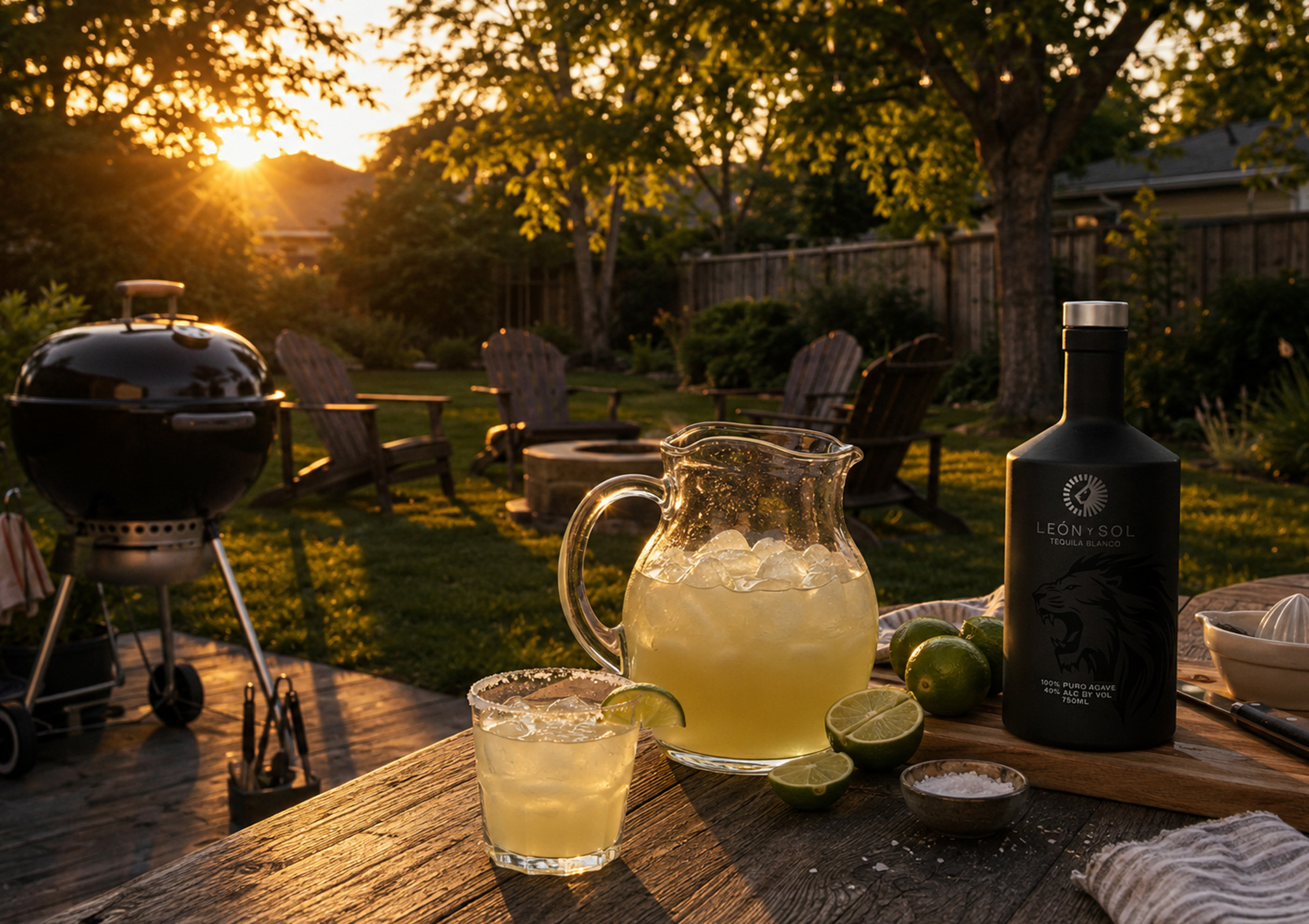
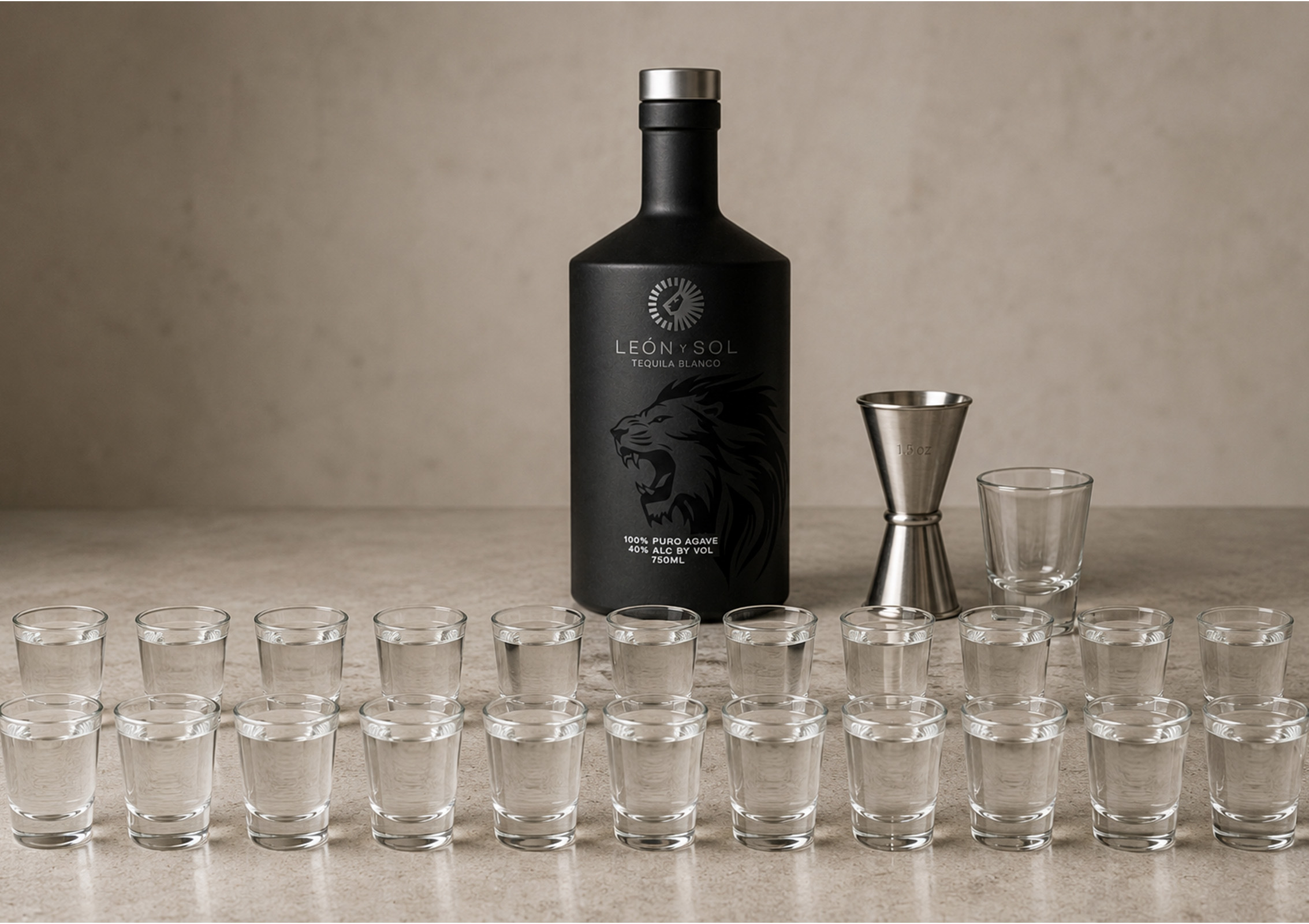
Tequila pairs with everything from ceviche to chocolate when you match intensity. Blanco for seafood, reposado for grilled meats. Complete pairing guide.
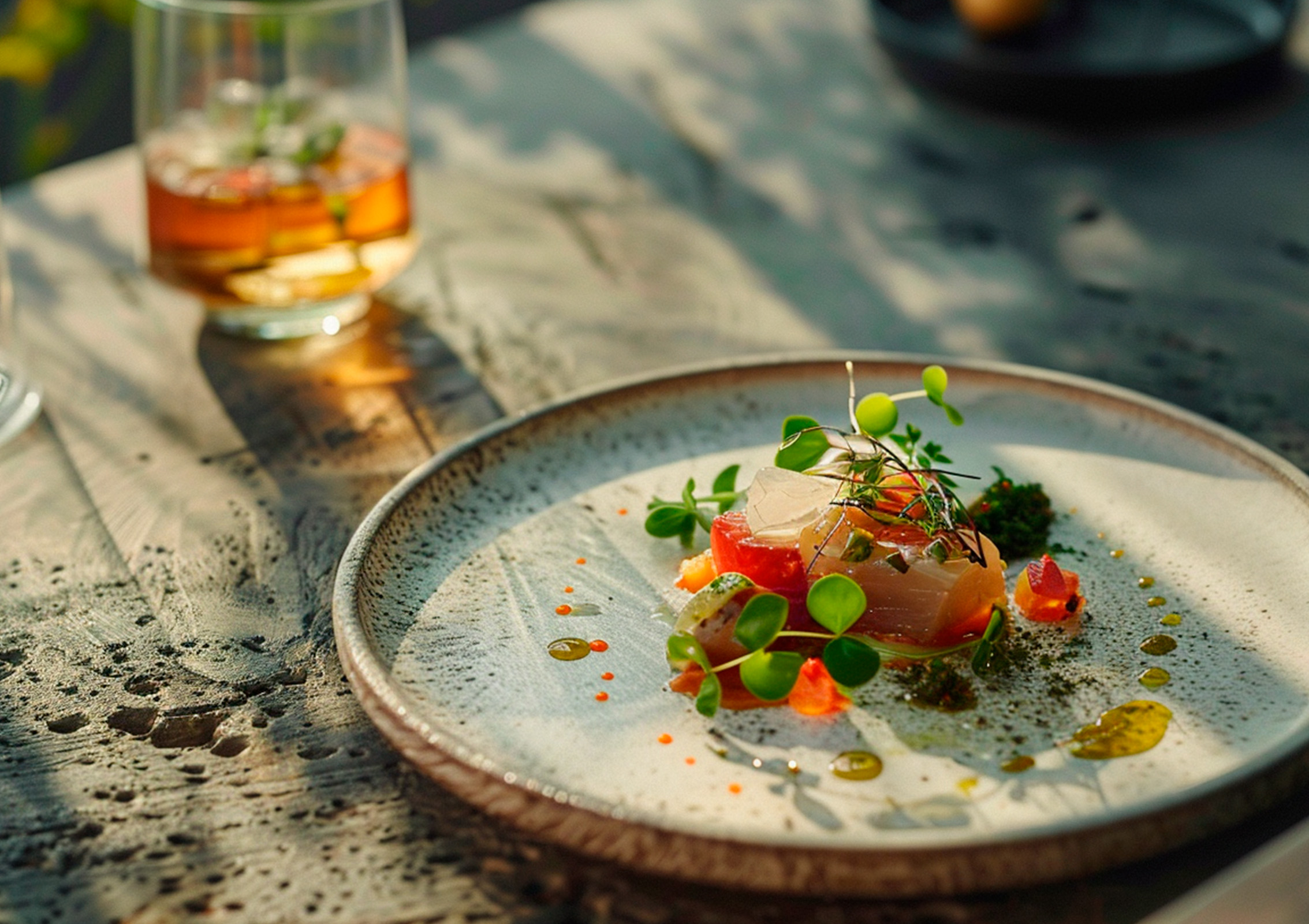
Tequila pairs exceptionally well with food, from fresh ceviche and grilled meats to dark chocolate and aged cheeses, but only when you match the intensity of the tequila to the richness of the dish. Margaritas and shots have their place. Food pairing is where tequila’s complexity really shines.
Tequila’s versatility rivals wine for pairing potential. Blanco’s bright citrus cuts through seafood. Reposado’s oak and vanilla complement grilled meats. Añejo’s depth matches chocolate and cigars. With 77% of spirit drinkers eating out at least once a week, knowing how to pair tequila with food matters more than ever.
This guide covers pairing principles, specific recommendations by tequila type, and practical tips for matching Mexican heritage spirits with both traditional and international cuisines.
Tequila pairs well with food because its earthy agave base, natural acidity and range of flavor profiles from bright citrus to deep oak complement everything from seafood to dessert. That’s right — wine doesn’t own food pairing. Tequila’s been doing it just as well, just quieter.
Blue Weber agave spends six to ten years pulling minerals from volcanic soil before harvest. That terroir shows up in your glass the same way it does in wine. Highland tequilas from Los Altos taste sweeter and fruitier thanks to iron-rich soil and brutal temperature changes. Lowland tequilas lean earthier and more vegetal. Those differences matter when you’re deciding what to eat.
Tequila’s natural acidity cuts through fat just like wine does. Rich mole sauce, grilled ribeye, fried chicken. All candidates for a great tequila pairing. The brightness slices through heavy flavors and cleans your palate between bites instead of coating it. Blanco brings crisp agave and citrus for ceviche, while reposado and añejo add vanilla and oak for grilled meats and chocolate.
But quality matters here. One hundred percent tequila has clean, distinct flavors that play well with food. Mixto tequila with its 49% other sugars and additives creates off-flavors that clash with everything. Restaurants are catching on, too. Seventy percent of cocktail drinkers now factor drink menus into where they eat, and 69% of diners order alcohol with their meal. Tequila deserves a spot on that list.
Match the intensity of your tequila to the intensity of your dish. That’s it. The whole game in one sentence.
Light tequila pairs with delicate flavors. Blanco’s bright agave and citrus notes work with ceviche, oysters, and grilled fish tacos. The clean flavors won’t compete. Medium tequila handles moderately rich foods. Reposado’s vanilla and oak balance grilled chicken and mole without overwhelming them. Heavy tequila demands bold flavors. Añejo and extra añejo need rich meats or complex sauces to match their intensity.
Don’t pour añejo over delicate halibut. You’ll bury the fish under oak and caramel and wonder why you bothered cooking it. But at the same time, don’t waste añejo’s complexity on chips and salsa. Save that bottle for something that deserves it.
Think about it like wine. Would you pair this dish with white wine or red wine? Delicate fish gets white wine, so it gets blanco tequila. Rich braised short ribs get red wine, so they get reposado or añejo. Your instincts already know this. Just apply them to tequila instead.
Blanco’s bright, clean profile makes it the most versatile tequila for food pairing. Thirty-five percent of drinkers call tequila the best summer spirit, and they’re talking about blanco’s refreshing bite cutting through heat and refreshing food.
Blanco tequila tastes bright and agave-forward with crisp citrus, white pepper, and herbaceous notes that make it perfect for light, fresh dishes. unaged or rested less than 60 days, this is tequila at its purest. No oak, no additives, just blue Weber agave and distillation.
Highland blancos like León Y Sol taste sweeter and more floral from volcanic soil and temperature extremes. Lowland blancos lean earthier and more vegetal with a peppery bite.
Here are the foods that work best with blanco tequila:
Blanco was born for seafood. The margarita owns 16% of all US cocktail sales because blanco’s citrus and brightness work with lime and salt better than anything else. Try your blanco with:
Why it works: Blanco’s citrus notes echo the lime wedge while agave balances seafood’s salinity.
Blanco and traditional Mexican ingredients come from the same terroir. Agave, corn, avocado, and chilies all grew in the same volcanic soil for centuries. These classics pair beautifully:
Why it works: Agave’s earthiness complements corn and avocado without overwhelming them.
Blanco’s clean profile travels well beyond Mexican cuisine. The bright, herbaceous notes work with fresh flavors from any tradition:
Why it works: Clean flavors don’t compete. Citrus notes complement fresh herbs and pickled elements.
Learn how to taste blanco tequila to catch these flavor notes before pairing.
Reposado is in that sweet spot between blanco’s brightness and añejo’s intensity. That balance makes it the most versatile tequila for pairing with dinner.
Reposado tequila has a very balanced flavor profile with vanilla, caramel and light oak notes from two to 12 months of barrel aging that pairs beautifully with grilled meats and moderately spiced dishes. The oak influence adds complexity without burying the agave character underneath.
Vanilla and caramel notes come from the barrel, creating sweetness that plays well with both savory and slightly sweet dishes. León Y Sol’s reposado spends four months split between American and French oak, pulling coffee and cappuccino notes that work across cuisines.
Reposado’s oak character and moderate intensity make it the go-to choice for main courses and heartier dishes:
Reposado and fire were made for each other. The oak aging in the barrel echoes the char from the grill, creating harmony instead of competition:
Why it works: Oak aging echoes smoke and char while the vanilla notes balance spice.
Traditional Mexican dishes with layers of flavor need a tequila that can handle complexity:
Why it works: Reposado handles complex flavors without overpowering.
Reposado cuts through fat like wine but brings a certain sweetness wine can’t match:
Why it works: Tequila’s acidity cuts through fat while the caramel notes complement the aged cheese.
Reposado’s versatility reaches beyond Mexican cuisine into surprising territory:
Why it works: Reposado’s versatility bridges sweet, savory, and umami.
Compare reposado to añejo to understand how aging changes pairing potential.
Añejo plays in whiskey and cognac territory. This is sipping tequila that demands food bold enough to match its intensity.
Añejo tequila delivers rich, complex flavors of caramel, toffee, dried fruit, and deep oak from its one to three years of barrel aging that pairs best with bold, hearty dishes and desserts. The oak character dominates here. Agave takes a back seat while the barrel does most of the talking.
Deeper sweetness than reposado, with coffee, tobacco, and leather notes showing up depending on the barrel. Pair añejo like you’d pair whiskey or cognac. Rich meats, comple saucs, dark chocolate. Save it for courses that deserve this level of intensity.
Añejo needs bold flavors that won’t get buried under all that oak:
Añejo cuts through fat and matches intensity with premium cuts and slow-cooked meats. Perfect for:
Why it works: Añejo’s intensity matches rich, fatty meats without backing down.
All the layers of flavors in traditional moles need a tequila with just as much complexity:
Why it works: Añejo’s depth of flavor echoes the dish’s complexity.
Oak-aged tequila brings vanilla and caramel that complement sweet finishes like:
Why it works: Oak-derived vanilla and caramel complement the desserts’ sweetness without clashing.
Mexican food and tequila naturally pair well together because both come from the same terroir, with shared ingredients like corn, chilies, and lime creating perfect flavour bridges. This isn’t theory. This is centuries of evolution all happening in the same soil.
That’s why regional specificity matters here. Jalisco cuisine and Jalisco tequila grew up together. The flavors already speak the same language. Oaxaca food works better with mezcal, but that’s for a different article. Traditional pairings exist for a reason, and with one in ten US restaurants serving Mexican food, these pairings are worth understanding.
Tacos al pastor with blanco lets the brightness cut through pork fat and pineapple sweetness. Mole Poblano with reposado matches complexity with complexity, with oak notes playing off chocolate and chilies. Cochinita pibil with reposado works because the citrus in both the marinade and tequila create harmony. Chocolate Oaxaqueño with añejo is dessert that improves both the tequila and the chocolate.
Modern Mexican cuisine experiments with these foundations, and those experiments are worth exploring. But the classics work because they’re built on shared ingredients and shared history.
León Y Sol excels here because highland agave from Los Altos carries natural sweetness that complements Mexican cuisine without overwhelming spice and complexity. The volcanic soil and temperature swings create agave that already tastes like it belongs next to mole and masa.
León Y Sol sources 100% blue Weber agave exclusively from Los Altos de Jalisco, where volcanic soil and brutal temperature swings force the plants to produce extra natural sugars. The sweetness shows up in every pour, creating a tequila that plays well with food instead of fighting it.
Four months split between American and French oak barrels creates food-friendly complexity. The coffee and caramel notes work across sweet and savory dishes without overwhelming either. No additives means clean pairing potential. What’s in the bottle is agave, water, and time. Nothing else.
Cultural authenticity matters when pairing with Mexican cuisine. León Y Sol’s Mexican heritage isn’t marketing. It’s lived experience that shows up in how the tequila interacts with mole, masa, and chilies. Crafted for moments that matter, including the ones that happen around a dinner table.
Tequila deserves a spot alongside wine at dinner. The pairing principles are the same. Just match the intensity of the tequila to the dish richness. Respect the flavors and let both the food and the spirit shine without one burying the other.
Quality matters here more than creativity. Premium 100% agave tequila has clean, distinct flavors that play well with food. Explore León Y Sol for your next pairing dinner.
Tequila pairs best with foods that match its intensity. Blanco works with seafood and ceviche. Reposado pairs well with grilled meats and mole. Añejo complements rich desserts like dark chocolate and flan. Match light tequila to delicate dishes, heavy tequila to bold flavors.
Yes. Reposado or añejo pairs excellently with grilled steak. The oak aging echoes char flavors from the grill while tequila’s natural acidity cuts through fat. Premium cuts like ribeye or wagyu deserve añejo’s intensity and complexity.
Yes. Aged cheeses like manchego and Gouda pair beautifully with reposado and añejo. Fresh cheeses like queso fresco work better with blanco. Tequila’s acidity cuts through the fat while barrel-aged expressions bring caramel notes that complement aged cheese.
Dark chocolate, flan, tres leches cake, and caramelized desserts pair best with añejo or extra añejo tequila. The oak-derived vanilla and caramel notes complement the dessert sweetness without clashing. Chocolate with 70% cacao or higher works exceptionally well.
No. Serve blanco slightly chilled if you prefer, but reposado and añejo should be at room temperature to preserve the flavors that complement the food. Cold temperatures mute the vanilla, caramel, and oak notes you’re trying to pair with.